Last updated: September 2026
Luxury AI image prompts have to work harder in 2026. On August 30, OpenAI retired DALL·E from ChatGPT — the model that taught millions their first prompt — and the premium center of gravity shifted to Midjourney V8.2, FLUX 3 and Nano Banana inside Gemini. Each engine interprets the same sentence very differently, which is why generic prompt lists age badly: a prompt tuned to one model's habits produces flat results on another. This guide solves that with 40 luxury AI image prompts written for the September 2026 tool stack — products, watches, portraits, fine dining, interiors, fashion and motion — each adaptable across the big three with the conversion notes included. You also get the five elements that make an image read as expensive, the image-to-prompt technique for reverse-engineering any luxury look you admire, and the 2026 quality tokens that replaced the tired "8K" formula.
The best luxury AI image prompts combine five elements: a precise subject, named lighting (Rembrandt, rim, golden hour), tactile materials (velvet, marble, brushed brass), camera language (macro, 85mm, shallow depth of field), and restrained quality tokens like "native 2K, film grain." Use Midjourney V8.2 for styled editorial looks, FLUX 3 for photorealism, and Nano Banana for conversational edits and text-bearing scenes.
What makes an image read as luxury
Luxury is not a style; it is a set of decisions. After generating thousands of premium product and lifestyle images, five levers do almost all the work:
- A precise subject. "Perfume bottle" gives you a guess; "faceted amber glass flacon with a brushed gold cap" gives you a photograph.
- Named lighting. Rembrandt light, rim light, single softbox from upper left, golden hour through sheers. Luxury imagery is usually one light, described.
- Tactile materials. Black velvet, white Carrara marble, aged leather, smoked glass, brushed brass. Materials are what "premium" looks like up close.
- Camera language. Macro, 85mm portrait, top-down flat lay, shallow depth of field, eye-level architectural wide angle. The lens choice signals the genre.
- Restraint in quality tokens. Three tokens beat fifteen — "native 2K, film grain, cinematic color grading" outperforms stacking every resolution keyword you know, because overload muddies every modern model.
The 40 prompts below apply these levers per category. Bracketed slots are your variables; everything else is tuned.
The 2026 model stack at a glance
| Tool | Luxury sweet spot | Pricing model | Text in image | Watch-outs |
|---|---|---|---|---|
| Midjourney V8.2 | Editorial fashion, stylized campaigns | Subscription from ~$10/month | Improving, still risky | Style drift without references |
| FLUX 3 | Photoreal products, food, interiors | Per image, a few cents | Weak | Over-literal reads |
| Nano Banana (Gemini) | Conversational edits, text-bearing scenes | Free tier / AI Pro upgrade | Strongest of the three | Watermark unless toggled |
| Microsoft MAI-Image-2.6 | Team-scale brand campaigns | Via Microsoft 365 Copilot plans | Good | Needs brand-guideline steering |
| SenseNova U1.5-8B | Local private runs, unlimited drafts | Free open weights | Moderate | GPU requirement |
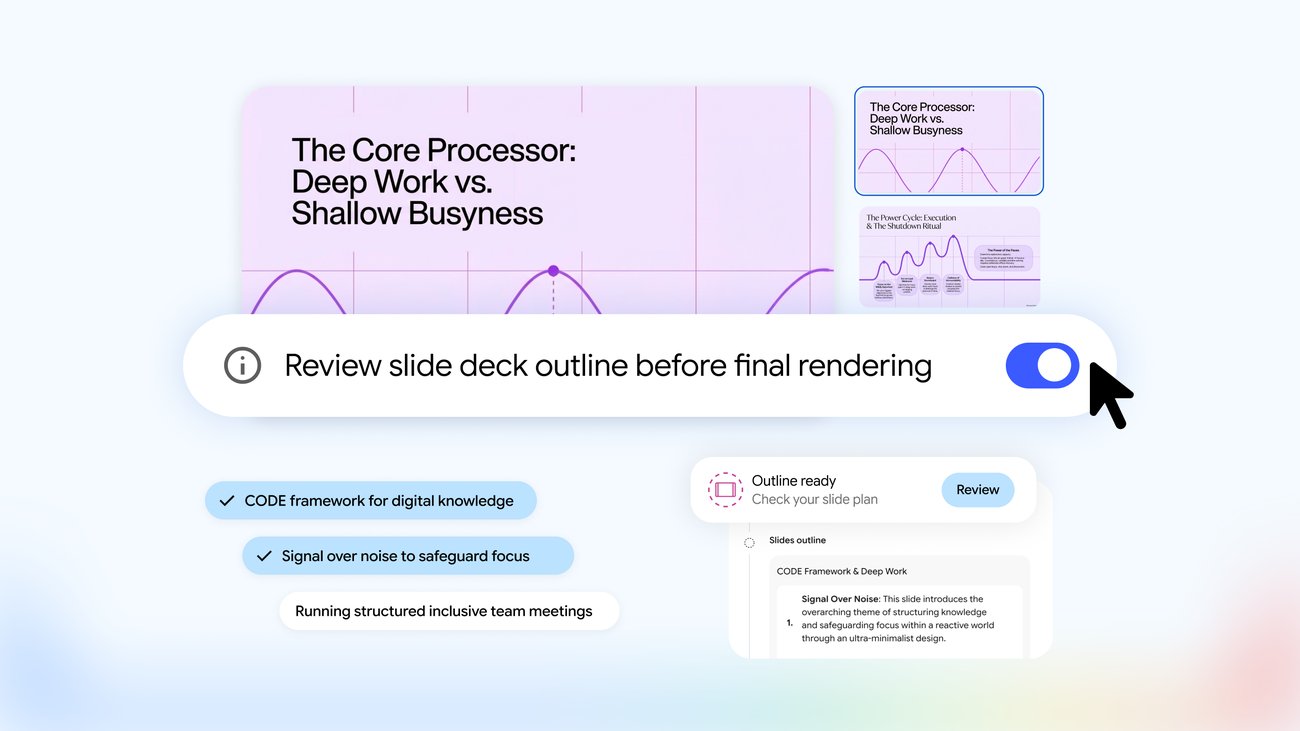
For deeper tool context: our MAI-Image-2.6 guide for marketing teams, the SenseNova U1.5 open-source rundown, and Google's Pics image tool inside Docs and Slides for embedding generation into documents.
The 40 prompts
Products and packaging (1-8)
1. Luxury product photo of {product}, matte black background, single softbox upper left, subtle reflections, ultra-detailed texture, native 2K, commercial photography.
2. Minimalist hero shot of {product}, seamless white studio, top-down, crisp shadow geometry, magazine-quality, photorealistic.
3. Faceted {perfume} flacon on dark velvet, warm amber rim light, condensation on glass, macro lens, film grain, native 2K.
4. {Skincare product} on white Carrara marble, botanical elements, soft morning window light, clean beauty editorial, shallow depth of field.
5. Tech product {name} floating against deep charcoal, blue rim light, reflective chrome, launch-campaign aesthetic, photorealistic.
6. Artisan {handmade product} on weathered oak, warm side light, visible craft texture, lifestyle photography, film grain.
7. Luxury chocolate assortment, dark velvet, gold foil detail, macro on a single piece, shallow depth of field, food editorial.
8. Rigid packaging box {color} slightly open, ribbon escaping, single dramatic light, deep shadows, unboxing-campaign mood, native 2K.
Watches and jewelry (9-12)
9. Macro watch photography, {dial detail} in focus, dark leather surface, directional light from left, cinematic color grading, luxury advertising.
10. Diamond {jewelry piece} on black glass, refractions catching a single beam, black background, high-end catalog style, ultra-detailed.
11. Gold {bracelet} coiled on raw silk, warm chiaroscuro lighting, texture macro, heritage-brand aesthetic, film grain.
12. Watch movement exposed, gears in macro, cool workshop light against warm brass, horological editorial, native 2K.
Editorial portraits (13-17)
13. Cinematic portrait of {subject}, soft Rembrandt lighting, warm tones, shallow depth of field, high-end editorial, native 2K, film grain.
14. Executive headshot, {subject} in {tailored suit}, clean gray background, beauty-dish light, confident composure, sharp eyes, commercial quality.
15. Artistic portrait, {subject}, dramatic side light, half-face shadow, black background, fine-art photography, high contrast.
16. Lifestyle portrait of {person} in {setting}, golden hour, bokeh background, candid expression, magazine editorial, cinematic grade.
17. Black-and-white portrait, {subject}, silver halide grain, classic studio aesthetic, sharp focus on eyes, timeless.
Fine dining and drinks (18-22)
18. Fine-dining plating of {dish}, dark slate, artistic sauce drizzle, micro herbs, single directional light, Michelin-star editorial.
19. {Cocktail} on a marble bar, backlit amber liquid, condensation, bokeh bar shelves, nightlife editorial, film grain.
20. Top-down flat lay of {dish}, white ceramic, natural window light from left, fresh garnish, restaurant-quality styling, photorealistic.
21. Espresso ritual: demitasse on brass saucer, steam curling, dark moody café background, macro, cinematic grade.
22. Sommelier pouring {wine}, candlelit table, warm chiaroscuro, motion of the pour frozen, luxury hospitality editorial.
Interiors and real estate (23-27)
23. Luxury {room} interior, warm ambient light, marble and velvet and brass, wide-angle 24mm, interior-design magazine quality, photorealistic.
24. Minimalist penthouse living room, floor-to-ceiling windows, dusk city bokeh, architectural photography, symmetrical composition.
25. Boutique hotel suite detail: {bed/vanity}, layered warm lighting, hotel-brand aesthetic, ultra-detailed textures, native 2K.
26. Aerial view of a {villa/architecture} at golden hour, drone perspective, landscaped grounds, cinematic color grading.
27. Spa bathroom in travertine, steam catching a single light beam, towels rolled, wellness-brand editorial, shallow depth of field.
Fashion and lifestyle (28-32)
28. Fashion editorial, {garment} in motion against a minimal concrete wall, hard sunlight and clean shadow, editorial magazine style, native 2K.
29. Luxury handbag {shape/leather} on a gallery pedestal, museum lighting, deep background, product-as-art aesthetic, ultra-detailed.
30. Street-style look, {outfit}, overcast light, candid stride, shallow depth of field, documentary fashion, film grain.
31. {Accessory} flat lay on linen, soft daylight, negative space, quiet-luxury aesthetic, top-down, magazine styling.
32. Runway backstage moment, {look}, mirror bulbs bokeh, garment detail in focus, documentary editorial, cinematic grade.
Automotive and travel (33-36)
33. {Luxury car} silhouette on wet asphalt at night, reflections stretching, neon rim light, cinematic automotive campaign.
34. Interior detail of {car}: stitched leather and brushed aluminum, low warm light, macro on {component}, ultra-detailed.
35. First-class cabin suite at dusk, warm reading light, linen and brass details, hospitality editorial, shallow depth of field.
36. Private-jet wing above golden clouds, window seat perspective, lens flare, aspirational travel editorial, film grain.
Motion prompts for Sora and Kling (37-40)
37. (Sora) Slow rotation of {luxury product} on black velvet, rim light sweeping across the surface, ultra-slow motion, 5-second loop, 4K.
38. (Kling) Amber liquid pouring into a crystal glass, macro, backlight bloom, 8-second realistic video.
39. (Sora) Camera glides through a boutique hotel suite at dusk, warm lights igniting in sequence, 10-second cinematic clip.
40. (Kling) {Fashion look} walking toward camera on a concrete runway, hard light, garment in motion, 6-second editorial video.
One concept, three models
The prompts above are tool-agnostic prose. Here is how to convert one — the perfume flacon, prompt 3 — for each engine:
Midjourney V8.2 wants compact, evocative language plus parameters: faceted amber glass flacon, brushed gold cap, dark velvet, amber rim light, condensation, macro, film grain --ar 4:5 --style raw. Use style references (--sref) to lock a campaign look across a set.
FLUX 3 rewards literal photographic instruction: keep the prose version nearly as written, front-load the subject, and prefer "photorealistic, native 2K" over mood words. Flux follows word order; the first third of the prompt carries the most weight.
Nano Banana prefers conversation: "Create a product photograph of a faceted amber glass perfume bottle with a brushed gold cap resting on dark velvet. One warm rim light from behind, slight condensation on the glass, macro feel, and leave clean space at the top for a brand line." Its two superpowers: it renders text you dictate — headlines, label copy — more reliably than the others, and it edits uploaded images in the same conversation.
Three client campaigns, one prompt stack
A watch boutique needed banner imagery without a studio day. Prompt 9's formula, run eight times with dial and strap variations on FLUX 3, produced a full campaign set for less than a dollar of generation cost; two frames needed a hand-retouch pass for crown detail, the rest shipped as-is.
A coastal rental agency wanted hero images for six properties. Interiors from prompts 23-26 established one consistent grammar — 24mm, dusk, warm ambient — so the set looks commissioned rather than collaged. Consistency came from repeating the same lighting phrase verbatim, a habit worth stealing for any brand.
A cocktail bar's menu refresh used prompts 18-22 in Midjourney for the style frames, then Nano Banana for menu-label versions where the drink name had to render inside the image. Splitting the job by engine strength — style from Midjourney, typography from Nano Banana — took one afternoon instead of a shoot weekend.
The workflow those campaigns settled on, and every client since: generate style frames in Midjourney, lock the winning prompt verbatim, batch the full set in FLUX 3 for photoreal consistency, and reserve Nano Banana for versions that carry type — labels, menu names, packaging callouts. Three engines, one afternoon, and a set that looks like a single photographer shot it.
The pattern across all three: luxury clients care about consistency and finish, not novelty per frame. Style-locked luxury AI image prompts, repeated verbatim, deliver both.
image-to-prompt, the shortcut nobody uses well
Every serious prompt workflow in 2026 includes a reverse step: extracting a prompt from an existing image. Feed a reference — a competitor's campaign, a Pinterest save, your own best-ever generation — to Nano Banana or a vision-capable model and ask:
"Describe this image as a generation prompt. List subject, lighting,
materials, camera language, color grade and composition separately,
then write the final prompt as one paragraph."
You get a deconstruction you can edit deliberately: keep the lighting, swap the subject, shift the ratio. Two rules keep this legitimate and useful. First, never direct the model to reproduce an image containing trademarks, logos or recognizable people — extract the technique (lighting, materials, lens), not the property. Second, verify the extracted prompt by regenerating; if the output matches the reference's grammar rather than its content, you have a reusable template rather than a copy.
This loop — deconstruct, edit, regenerate — is how prompt libraries actually grow. It is also how the 40 prompts in this guide were pressure-tested. For a repeatable pipeline, save every extracted prompt next to a thumbnail of its reference. Six months from now you will not remember which lighting recipe produced your best work; the library will.
Quick-start: your first five generations
New to this stack? One fifteen-minute sequence teaches you all three engines. Generate prompt 3 (the perfume flacon) in Midjourney V8.2 with --style raw, the same prompt verbatim in FLUX 3, and the conversational version from the conversion section in Nano Banana. Compare the three outputs side by side: Midjourney hands you the mood, FLUX hands you the photograph, Nano Banana hands you the layout. Then run prompt 13 twice with two different lighting phrases to watch how light language moves an entire frame. By the fifth generation you will know which engine matches your eye — and the remaining luxury AI image prompts become your catalog rather than your homework.
2026 quality tokens and provenance rules
Quality vocabulary turned over twice since 2024. What current models respond to:
Native resolution beats inflated resolution. "Native 2K" (or "native 4K" where supported) outperforms "8K" on every major 2026 model, because engines now generate at fixed resolutions and treat bigger numbers as noise. "Ultra-detailed texture" on one material beats stacking resolution words.
Surface realism tokens. "Film grain," "natural skin texture," "subtle specular highlights" and "cinematic color grading" push outputs away from the plastic AI look. Use two or three, never all at once.
Provenance is now part of publishing. Gemini applies a visible AI watermark by default — creators can adjust Gemini's watermark setting, but think twice before stripping signals on commercial work. Claude-side image tooling embeds C2PA provenance metadata, and platforms like Instagram treat provenance data as an AI-content labeling signal. For client campaigns, keep generation records and disclose AI visuals in the deliverable notes — it protects both the studio and the brand.
Frequently Asked Questions
What are the best luxury AI image prompts for Midjourney V8.2?
The prompts in the products, portraits and fashion sections above are tuned for V8.2's strengths: compact subject-first language, named lighting, parameters like --ar 4:5 --style raw. Add --sref with a reference image to lock one campaign style across a set. V8.2's native 2K output and texture handling make it the strongest choice for editorial luxury looks.
Do these prompts work with FLUX 3 and Nano Banana?
Yes, with the conversion notes in the "One concept, three models" section. FLUX 3 prefers literal, word-order-sensitive photographic prose — front-load the subject. Nano Banana prefers conversational sentences and handles dictated text inside images better than any peer, which makes it the default for anything with headlines or labels.
How do I make AI images look expensive rather than generic?
Name the lighting, the materials and the lens. Generic prompts produce generic light; "single softbox upper left on black velvet, 85mm, shallow depth of field" produces a decision. Limit quality tokens to two or three, keep palettes to three colors, and let one material dominate the frame. Luxury reads as restraint, and restraint is a prompt structure.
What replaced "8K" in 2026 image prompts?
"Native 2K" and "native 4K," where supported, plus surface-realism tokens like "film grain," "natural skin texture" and "cinematic color grading." Modern engines generate at fixed resolutions, so inflated numbers read as noise and can degrade composition. One material-specific detail word such as "ultra-detailed brushed brass" beats any resolution stack.
Why did my DALL·E prompts stop working in ChatGPT?
OpenAI retired DALL·E from ChatGPT on August 30, 2026, routing image generation through its newer image models. Prompt grammar changed accordingly: newer models respond better to descriptive paragraphs than to DALL·E-era keyword strings. Migrating is straightforward — convert keyword lists into the subject-lighting-lens structure used throughout this guide.
How can I copy the style of an image I like?
Use image-to-prompt: upload the reference to Nano Banana or a vision-capable model and ask it to describe subject, lighting, materials, camera and grade separately, then write one prompt. Edit the extracted technique rather than copying content, regenerate to verify, and never reproduce trademarks or recognizable people. You keep the lighting recipe; you own the new subject.
Do I need to disclose that campaign images are AI-generated?
Increasingly, yes. Gemini's visible watermark, C2PA provenance metadata and Instagram's AI-content labeling all push toward disclosure, and several jurisdictions are moving the same direction for commercial imagery. In practice: keep generation records, disclose AI visuals in client deliverables, and let platforms apply their labels. Disclosure is becoming a quality signal, not a penalty.
Can I use these prompts for commercial client work?
Yes. Midjourney grants commercial rights on paid plans, FLUX per-image pricing includes commercial use, and Nano Banana outputs fall under Google's terms for paid tiers with the strongest commercial coverage. Check your specific plan's current terms before selling, and keep trademarks, logos and celebrity likenesses out of prompts — those rights exist separately from the images themselves.
Conclusion
Forty prompts, three engines, one repeatable structure: precise subject, named lighting, tactile materials, camera language, restrained quality tokens. The September 2026 stack — Midjourney V8.2 for style, FLUX 3 for realism, Nano Banana for edits and text — covers every luxury use case in this guide, and the image-to-prompt loop turns anything you admire into a template you own. Pick one prompt, adapt the bracketed slot, generate three variants, and iterate on the light before anything else.
Sources
- Midjourney official documentation — Image Prompts: https://docs.midjourney.com/hc/en-us/articles/32040250122381-Image-Prompts
- PrompTessor — Best Midjourney Prompts for AI Art in 2026: https://www.promptessor.com/blog/best-midjourney-prompts-for-realistic-photos-characters-products-and-art-in-2026
- PromptDen — Luxury prompt inspiration feed: https://promptden.com/inspiration/midjourney/luxury+all
- WaveSpeed AI — 2026 image model hosting and pricing reference: https://wavespeedai.com/
- ImagineArt — AI image model reference: https://imagineart.ai/
Try ArWriter today
Generate, adapt and store your best image prompts alongside the content they fuel — one workspace for prompts, articles and campaigns.