On October 27, 2026, Microsoft used its Microsoft AI site to announce MAI Image 2.7, its newest AI image editing model — a launch that may have slipped past you, because Microsoft does not stage the same hype circus around its MAI family that Google and OpenAI stage around theirs. The numbers deserve a proper stop, though, especially if images are part of your daily work: the preview entered the charts at #3 worldwide on the Arena Edit leaderboard and #2 on Artificial Analysis's image editing leaderboard, overtaking OpenAI's GPT Image 2.5 Flare. This guide breaks the story down completely: what the model is, what it actually does, where it stands among the world's best, and why it matters to your workflow — even before you can get your hands on it.
What exactly is MAI Image 2.7?
MAI Image 2.7 is the newest member of Microsoft's in-house image family, built inside the Microsoft AI division independently of the company's earlier partners and released on a steady cadence since late 2025. One distinction matters before anything else: generation models create an image from text, while editing models take an existing image — your product shot, your photography, an old asset from your archive — and modify it with intelligence that respects the original context.
Microsoft's official announcement describes 2.7 as "our latest image editing model," launching "with even stronger control for edits that are hardest to get right." That phrasing is deliberate. The industry race has moved on from "can it make a pretty picture?" to "can it modify an existing image without ruining it?" — because precise control is what turns these models from a novelty into a production tool.
The numbers: where MAI Image 2.7 stands globally
Per the official announcement, the MAI-Image-2.7 preview entered the global charts through the front door:
- #3 on Arena Edit — the widely watched editing leaderboard built on blind preference voting across huge volumes of side-by-side comparisons, a position that makes Microsoft AI the "#2 lab" in the field.
- #2 on Artificial Analysis's image editing leaderboard, ahead of OpenAI's GPT Image 2.5 Flare.
- The Elo figures published inside Microsoft's own post: 1193 for the MAI-Image-2.7 preview, versus 1199 for the chart-leading GPT Image 2.5 Sunburst, 1182 for GPT Image 2.5 Flare, 1151 each for MAI-Image-2.6, Krea 3 Ultra, and Nano Banana 2.1, and 1136 for GPT Image 2.
Read those numbers carefully, because they compress the whole picture: the new model sits 6 points behind the world's best and 42 points ahead of Nano Banana 2.1 — the model millions of creators touch daily inside Google's apps — on a voting scale where positions move a few points at a time. Microsoft also states that 2.7 delivered "the biggest category rank gains to #1" versus the previous 2.6 generation, per Artificial Analysis data evaluated on October 22, 2026 — five days before the announcement, meaning the model was being blind-tested in the Arena before its name went public.
What does it actually add to image editing?
The announcement concentrates 2.7's capabilities into four task families, and every one of them maps onto a pain familiar to anyone producing visual content daily:
1. Restyling or relighting an entire scene. Changing the complete visual character of a shot — turning a daytime product photo into a dramatic evening look, or rescuing bad lighting — while keeping every element coherent. In practice: the phone shot taken in kitchen light can be saved instead of reshot.
2. Changing text and symbols while keeping them integrated. This is among the hardest edits in existence, because text inside a photo is not a separable layer the way it is in a design file; the model has to re-render the text or logo so it respects the original perspective, reflections, and texture. Think of an ad image where a phone number or price must change, or a screenshot where one line needs translating without redesigning anything.
3. Restoring and enhancing existing assets. Bringing archive images — an old family-business storefront, previous campaign covers, team photos from years back — up to current publishing standards instead of abandoning or re-creating them.
4. Edits that understand how objects, lighting, and environments relate. Change one element and the rest of the scene responds intelligently — shadows shift, reflections update, colors stay consistent — instead of the infamous "sticker pasted on a photo" result.
A full family story in one year: how Microsoft got here
The jump to #2 worldwide did not happen overnight; it is the product of nine announcements across twelve months. This timeline is drawn entirely from Microsoft's own pages:
- October 2025: MAI-Image-1 enters LMArena's top 10 — the first proof of presence.
- March 2026: MAI-Image-2 launches under the "limitless creativity" banner.
- April 2026: MAI-Image-2-Efficient ships with flagship quality at 41% lower cost — a signal the family builds for developers and businesses, not just demos.
- May 2026: MAI-Image-2.5 reaches #2 worldwide in image editing on Arena.
- July 2026: MAI-Image-2.5-Pro launches alongside a new voice model, and press reporting — led by Bloomberg — describes Microsoft progressively replacing OpenAI's image models inside PowerPoint and Bing with its in-house ones.
- August 2026: MAI-Image-2.6 launches at #2 on Arena, ahead of Google, Meta, and xAI.
- September 2026: a post on pushing the "quality-cost frontier" within the same generation.
- October 27, 2026: MAI Image 2.7 breaks the family ceiling and closes in on the top of the global chart.
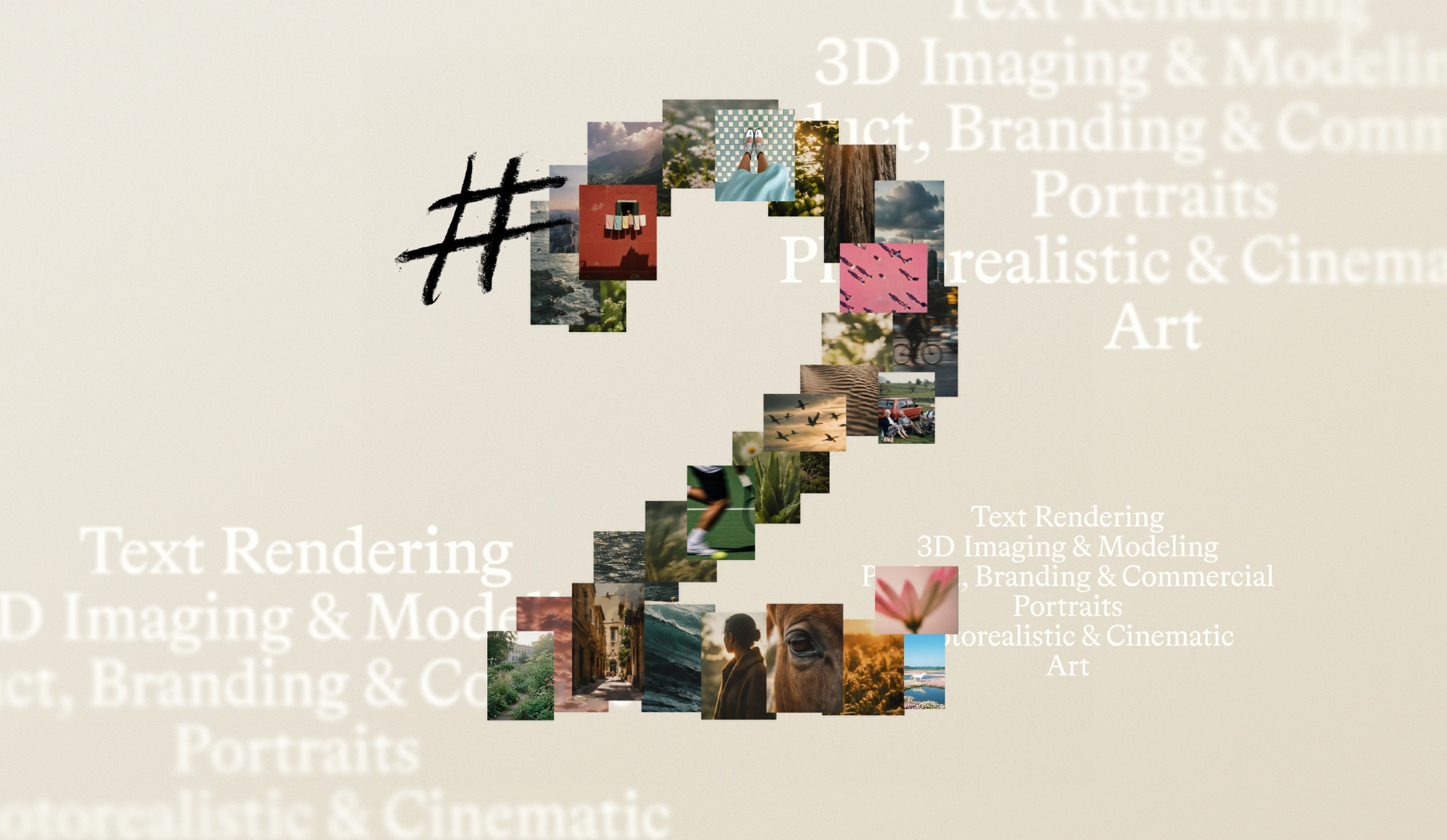
The strategy behind this timeline is hard to miss: Microsoft is not chasing headlines but building a complete image stack — models at different quality and price tiers — and then planting them inside products used by a billion people: Office, Bing, and Copilot. That is precisely why this model deserves your attention even if you have never heard the MAI name before.
Why this matters to you as a content creator
From numbers to your actual working day, through four practical angles:
First, the image tools you already use inside Microsoft's ecosystem are about to change under your feet. If you generate images through Copilot, Bing Image Creator, or PowerPoint, press reporting indicates MAI's in-house models are progressively replacing OpenAI's in those products. That means the quality and control you get will drift toward 2.7's level — the best the family has ever produced — without you changing tools or paying more.
Second, 2.7's announced capabilities attack three chronic creator problems. Editing text inside images means faster localization of ad creatives; relighting means rescuing modest product photos shot by store owners on their phones; restoration means reviving an entire visual archive without studio costs. These are not party tricks; they are hours of weekly production work compressed into minutes.
Third, this competition is dragging everyone's prices down. When the gap between the world's two best models is 6 voting points, competitive advantage stops being "higher quality" and becomes "lower price and finer control." We have watched this exact pattern with Google's Nano Banana 2.1 launch, with Krea 3 climbing the editing charts, and even with mass-market design tools entering the model race, as Canva did with its in-house Craft model. More capability at the same budget is the direction for everyone.
Fourth, do not wait for the magic tool — build the skill now. The difference between a professional creator and an average one is no longer the model; it is the quality of the instructions fed to it. Build your own library of reusable visual descriptions for the purposes that repeat in your work — product shots, covers, seasonal posts — with ARWriter's image prompt library, and you will find that any model you jump to tomorrow delivers your result on nearly the first try.
Quick comparison: MAI Image 2.7 versus the competition
| Model | Editing Elo (Arena) | Standout trait | Public availability |
|---|---|---|---|
| GPT Image 2.5 Sunburst | 1199 | Current absolute quality leader | Inside OpenAI products |
| MAI-Image-2.7-Preview | 1193 | Closest challenger + strong text and lighting control | Preview not yet open to the public |
| GPT Image 2.5 Flare | 1182 | OpenAI's widely distributed stable generation | Available via OpenAI products |
| Nano Banana 2.1 | 1151 | Broadest real-world reach inside Google apps | Free and via Gemini subscriptions |
| Krea 3 Ultra | 1151 | High speed and pro-grade editing for designers | Available via Krea |
Note that these figures come from blind user voting on image pairs and shift constantly — but the trend itself is the story: Microsoft's in-house model, nonexistent on the scene a year ago, is now trading blows with OpenAI's best.
Availability and pricing: the whole truth, unvarnished
Honesty time, because Microsoft's own announcement was terse: as of this writing there is no general consumer release and no announced price for MAI Image 2.7. The post speaks of a "preview" launch, publicly visible only through blind voting on the Arena platforms, and the model's page in Microsoft's catalog has not been created — the older 2.5 generation is available to developers in the Azure Foundry catalog, while 2.7 has not entered it. So distrust any site selling "instant access" to this model, and treat any image you see attributed to it as unverified. What is certain is the family's 2026 pattern: every generation traveled from the Arena to Microsoft's own products within weeks to months — so the practical thing to watch is Copilot, Bing, and PowerPoint, the places earlier generations actually landed.
Honest limitations and weaknesses
- The ranking comes from blind voting — a strong signal of overall impression, but it does not measure, say, accuracy of non-Latin scripts rendered inside images, which needs field testing after launch.
- The announced capabilities have not been independently tested yet. Everything here about relighting, text integration, and restoration is Microsoft's official description; independent reviewers have not been able to verify it while the model stays unpublished.
- "Preview" means subject to change — the shipping version may differ from the preview build the votes were cast on.
- No price has been published. The family's history (like the 41%-cheaper Efficient variant) suggests pricing flexibility, but committing to any number today would be guesswork, and we do not do guesswork.
- Closed weights. Unlike the open-weights currents in this market, the MAI family is proprietary to Microsoft's ecosystem, which limits what independent developers can do with it.
The bottom line
MAI Image 2.7 is a story that deserves more attention than its technical name suggests: a Microsoft image editing model sitting 6 voting points from the top of the world, with announced capabilities aimed straight at daily visual work — text inside images, lighting, restoration — and a documented one-year campaign planting this family inside tools everyone already uses. Until it opens to the public, the only practical step for you today is preparation: archive the images worth restoring, document your repeating visual purposes, and build your prompt library on ARWriter — so that when it arrives, you are the first to turn it into saved working hours rather than a passing headline.
Frequently asked questions
Is MAI Image 2.7 free, and where can I try it now?
No public free or paid version has been announced. The model is in a preview visible through blind voting on evaluation platforms, and its historical route to users is Microsoft products like Copilot, Bing, and PowerPoint, where earlier generations landed.
What is the difference between MAI Image 2.7 and Nano Banana 2.1?
The former is a specialized editing model from Microsoft closing in on the top of the global charts but not yet publicly available; the latter is Google's model already in real use by millions inside Google's apps, making it the practical choice available today. The gap between them in editing votes is 42 points in MAI's favor, per the figures in Microsoft's announcement.
How well does MAI Image 2.7 render non-English text inside images?
There is no official data or independent testing on rendering specific non-Latin scripts inside images. That question needs field testing after general availability — historically, non-Latin text inside generated images remains the hardest task for every image model without exception.
Will it replace the image generator in Copilot or PowerPoint?
The overall 2026 direction, per press reporting, is Microsoft progressively replacing OpenAI's image models with its in-house ones across its products, but Microsoft has not announced a specific date for 2.7 reaching those surfaces.
What is the practical use of a model I cannot access yet?
Reading the market's direction: precise editing is now the primary competitive arena. Invest in writing precise visual descriptions and organizing your archive — preparation that pays off with this model and every one of its rivals.