Last updated: August 2026 — EU AI Act Article 50 transparency obligations apply from 2 August 2026.
AI content labeling in the European Union is no longer a soft ethics tip. From 2 August 2026 the European Commission, the AI Office, and national authorities enforce transparency rules that hit anyone who writes, designs, or publishes AI-generated or AI-altered content for EU audiences or clients. This piece explains what changed in plain operational language for content teams — not legal theater.
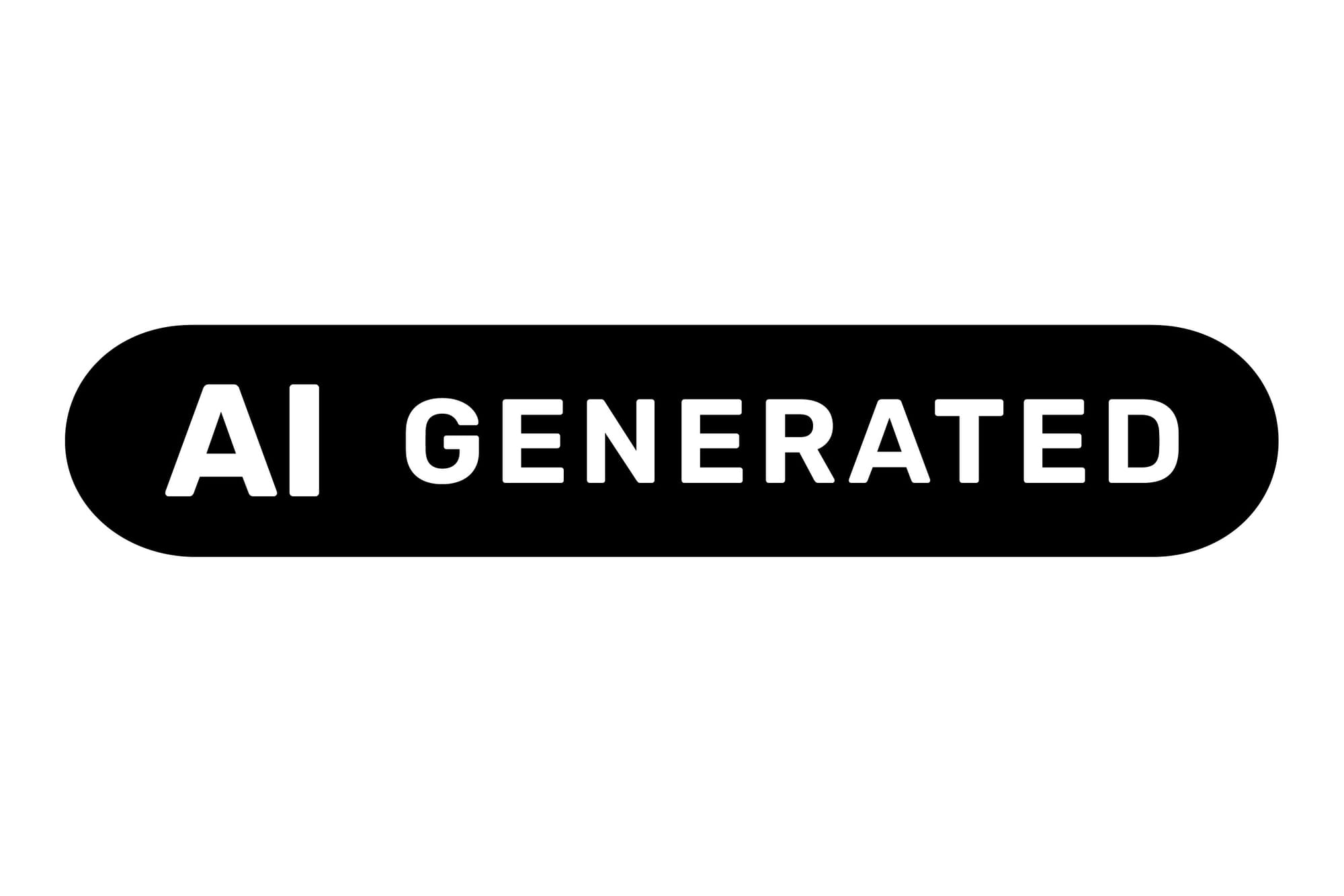
Official visual: EU icon set for labelling AI-generated content (digital-strategy.ec.europa.eu).
What took effect on 2 August 2026?
In a 31 July 2026 notice, the Commission stated that from 2 August 2026 enforcement of AI Act transparency rules begins. On the same date, obligations start requiring certain systems to tell people they are interacting with AI, to label AI-generated or altered content in key cases, and to attach machine-readable marks that make detection easier.
You care if you: publish to EU audiences, contract with EU brands/agencies, ship chatbots into the EU market, or produce deepfake-style creatives that circulate there. Your passport is irrelevant if the content or service falls in scope.
Providers vs deployers — who does what?
Commission guidelines separate providers of AI systems from deployers who use them. For creators:
- Model and tool providers must design systems so people are clearly told when they interact with AI, and must support machine-readable marking of synthetic/manipulated outputs where required.
- You as publisher, agency, or brand team must inform people when they are exposed to deepfakes, certain public-interest AI text without human editorial control, and other listed cases — plus follow platform rules on top.
Guidelines also define edge cases and exceptions (including ordinary editing). Do not rely on viral threads for borderline campaigns; use the official guideline PDF for grey zones.

What this means for your content workflow
Three concrete changes:
1) Label deepfakes and heavy AI edits
AI-generated or AI-edited images, video, and audio that qualify as deepfakes need clear labels. Product lifestyle composites, synthetic presenters, and aggressive face/scene rewrites are in the conversation — not only political forgeries. If your pipeline runs Midjourney, ChatGPT Images, or video models, add a labeling checkbox before scheduling.
2) Public-interest text without human review
AI-generated text on public-interest matters published without human review/editorial control triggers disclosure duties. Newsroom-style and policy/health/finance verticals cannot run unattended autopilot into the EU.
3) Interactive systems must self-identify
Chatbots and similar systems must tell users they are AI. Audit WhatsApp/web widgets serving EU customers: first-message disclosure is table stakes.
By the way, if you want writing, image prompts, and scheduling in one workspace while keeping a human in the loop for final review, ArWriter starts at $4.99/month for Plus — useful when compliance needs a clear last human step.
Free EU icons you can actually use
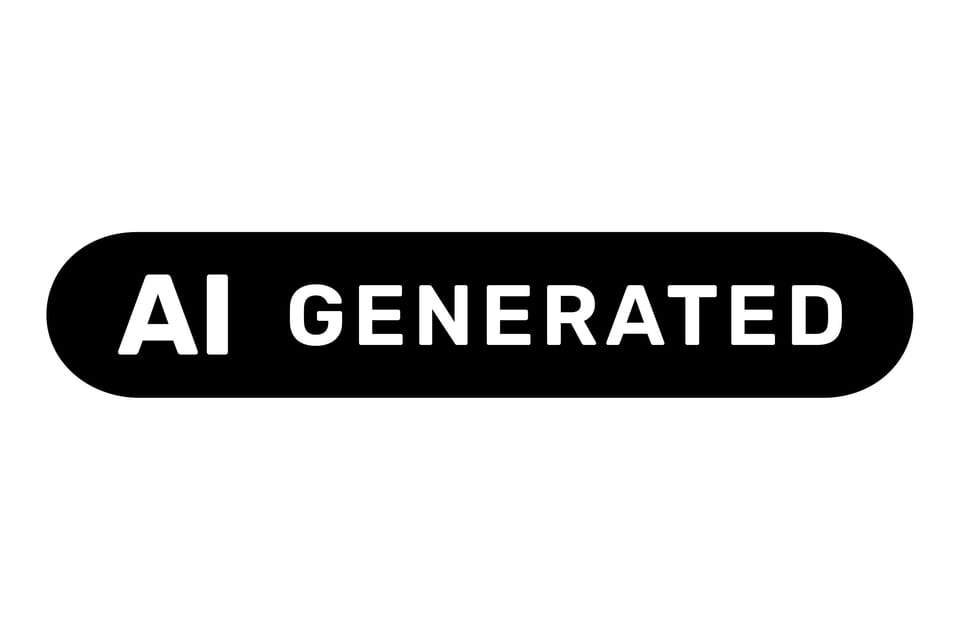
The EU published free icon variants: AI, AI GENERATED, and AI MODIFIED (black, white, transparent). They sit inside the Code of Practice on transparency. Icons help consistency; they do not replace understanding Article 50 scope.
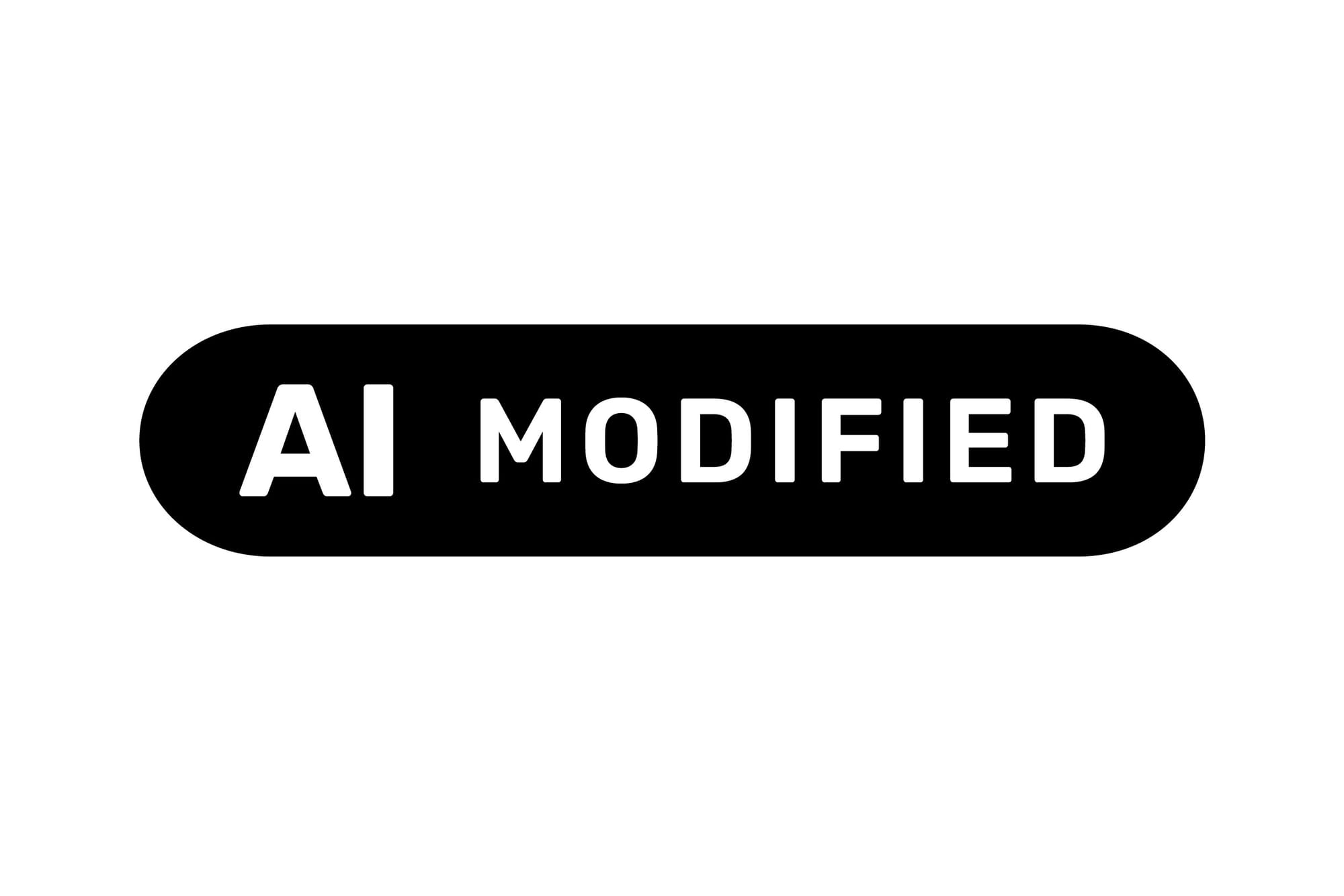
Source: EU Icons for labelling AI-generated content.
Code of Practice: voluntary path, mandatory law
The Code of Practice on Transparency of AI-generated Content is voluntary as a compliance pathway. About 190 organisations had signed by end of July 2026 (180+ on the first published list). Skipping the code does not waive Article 50; it means you prove compliance another adequate way. Solo creators should prioritise visible labels and chatbot disclosure over ceremony.
Quick comparison for operators
| Situation | Risk focus | Action |
|---|---|---|
| Image/video generators | Deepfake / synthetic media | On-asset or caption label + prompt archive |
| AI-assisted articles | Public-interest text without review | Named human editor before publish |
| Support chatbots | Human impersonation | First-turn AI disclosure |
| Social platforms | Platform labels + law | Meet both when they differ |
| EU client contracts | Flow-down compliance | AI-label clause in SOW |
Honest limits
- This article is operational guidance, not legal advice for regulated verticals.
- Transparency rules do not ban generative tools; they punish deception.
- Non-EU jurisdictions differ — still, clear labeling builds trust everywhere.
- Machine-readable marks fall largely on providers; creators own audience-facing honesty.
A practical checklist
- Tag every asset: human / light assist / generated / deepfake-class.
- Add a CMS field: “AI label?” + icon type.
- Standard caption lines for EU posts.
- Store model + prompt internally for client audits.
- Chatbot first message: “You’re chatting with an AI.”
- Wire the step into scheduling — see related ArWriter guides on multi-platform publishing when you expand the stack.
Use prompt library and image prompt library for production speed, then human-review before EU-facing publish.
How to brief a client without sounding alarmist
EU clients do not want a legal lecture; they want a production plan. A useful brief says: which assets are human, which are AI-assisted, which need a visible label, who signs off, and where labels appear (on-frame, caption, landing page). Put that in the creative deck before production starts so revisions do not explode later.
For retainers, add a monthly audit: sample 10 published posts, check labels, check chatbot copy, archive prompts. That discipline is cheaper than a takedown or a broken brand trust cycle after a misleading synthetic ad.

If you sell into multiple regions, keep a matrix: EU-facing vs rest-of-world defaults. Over-labeling outside the EU is usually fine; under-labeling inside the EU is the expensive mistake. Align media buyers and community managers on the same matrix so paid and organic do not diverge.
Agencies should also train junior staff: “upscale and remove object” is not the same risk class as “replace a real person with a synthetic presenter.” Your internal taxonomy reduces panic and speeds decisions when a deadline hits.
Frequently Asked Questions
Is AI content labeling mandatory in the EU from 2 August 2026?
Article 50 transparency obligations apply from that date for covered systems and cases: interaction disclosure, deepfake labeling, and machine-readable marks as specified in Commission materials.
Do freelancers outside the EU need to care?
Yes when EU audiences, clients, or in-scope services are involved. Scope follows the activity, not only your HQ city.
What is the difference between AI GENERATED and AI MODIFIED icons?
Official EU variants communicate fully generated versus AI-modified media. Match the label to reality.
Is the Code of Practice mandatory?
No. It is a voluntary compliance pathway. Article 50 duties still apply if you do not sign.
Are platform “Made with AI” toggles enough?
Helpful, not automatically equivalent to every Article 50 case. For sensitive EU work, use clear audience-facing labels plus internal policy.
Does light AI editing of a human photo always need a deepfake label?
Definitions and exceptions exist in the guidelines (including ordinary editing). When unsure on a campaign that matters, read the official guideline text or get counsel.
What to do next
Update your publish template today: label field, disclosure line, human owner. Read the Commission sources below before large campaigns. To keep drafting and scheduling centralized while preserving human review, start at app.arwriterai.com.
Working with legal and marketing without a deadlock
Content teams often stall when legal wants zero synthetic media and growth wants volume. A workable compromise is a three-bucket policy: (1) human-only for regulated claims, (2) AI-assisted with human edit for evergreen education, (3) clearly labeled synthetic for entertainment or conceptual ads. Write the buckets into the brand book so freelancers do not renegotiate every sprint.
When a deepfake-style spot is approved, require dual sign-off: creative lead for quality, compliance owner for label placement. Store the final labeled master in DAM with a “EU-ready” boolean. That single field saves hours when a media buyer asks which assets can run in Germany next week.
Training matters more than tools. A 30-minute monthly clinic—show three good labels, three bad labels, one chatbot disclosure fail—reduces accidental risk more than another PDF nobody reads. Measure success by fewer emergency Slack threads, not by how many icons you downloaded.