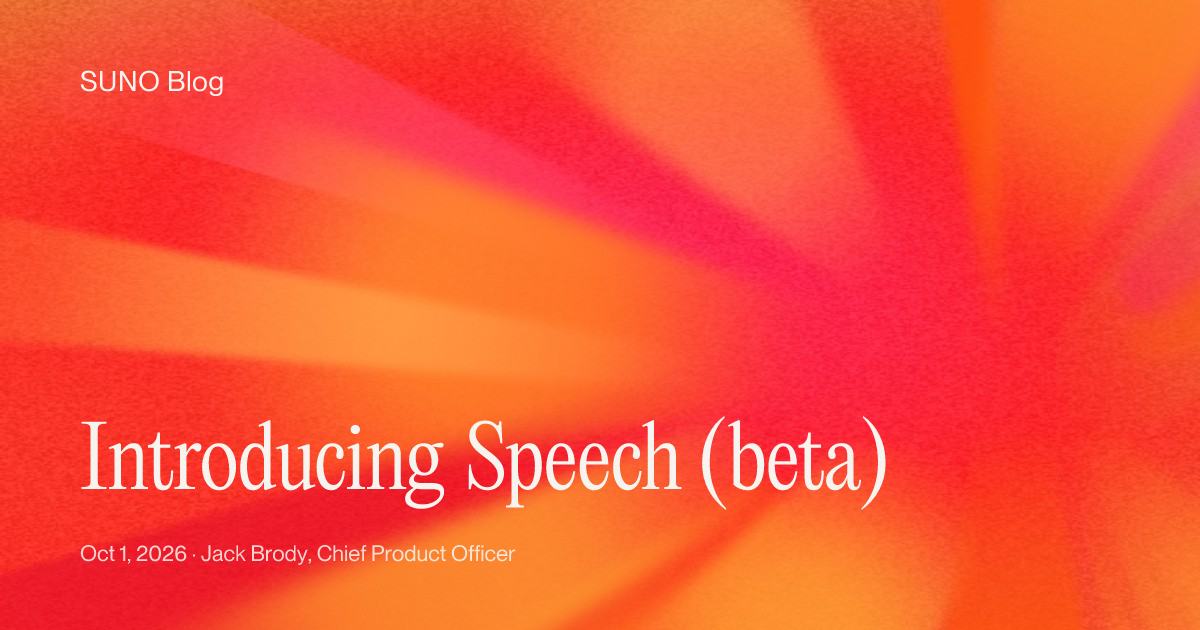
Suno, the AI music platform that spent 2026 signing licensing deals with the music industry, has opened a new front: the spoken word. On October 1, 2026 the company launched "Speech" in open beta — described in the official announcement as the first audio model that generates voice and original background music together as one cohesive track. You type a text, describe the voice and the musical mood you want, and the platform returns a finished piece of spoken-word audio with an original score built around the words themselves.
The announcement, written by Jack Brody, Suno's Chief Product Officer, frames the feature as "a new way to express yourself creatively" and places it in what the company calls creative entertainment — the territory between podcasting, music production, and pure play. It also caps a deliberate expansion: licensed v6 models in September, Suno Studio 2.0 for professional workflows in August, and now voice.
How it actually works
The mechanics are deliberately simple. You bring a text — an idea, a poem, something you already wrote — then describe the voice and the musical style. The model generates the performance and the music as a single artifact, which is the technical point of difference: rhythm and mood are matched to the meaning during generation, not bolted on afterwards in an editor. The old pipeline of "record voice, then hunt for stock music that almost fits" collapses into one step.
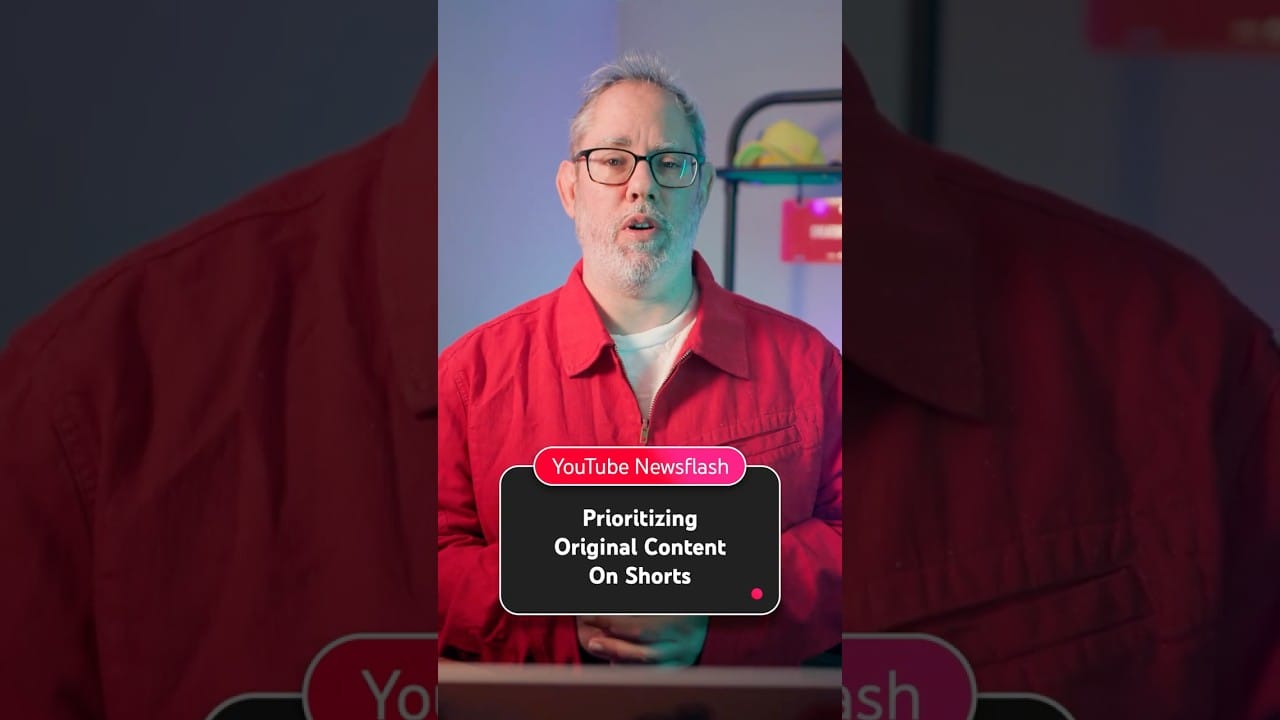
Suno published an official walkthrough video on its channel:
The official tutorial from Suno's YouTube channel.
What the private testing produced
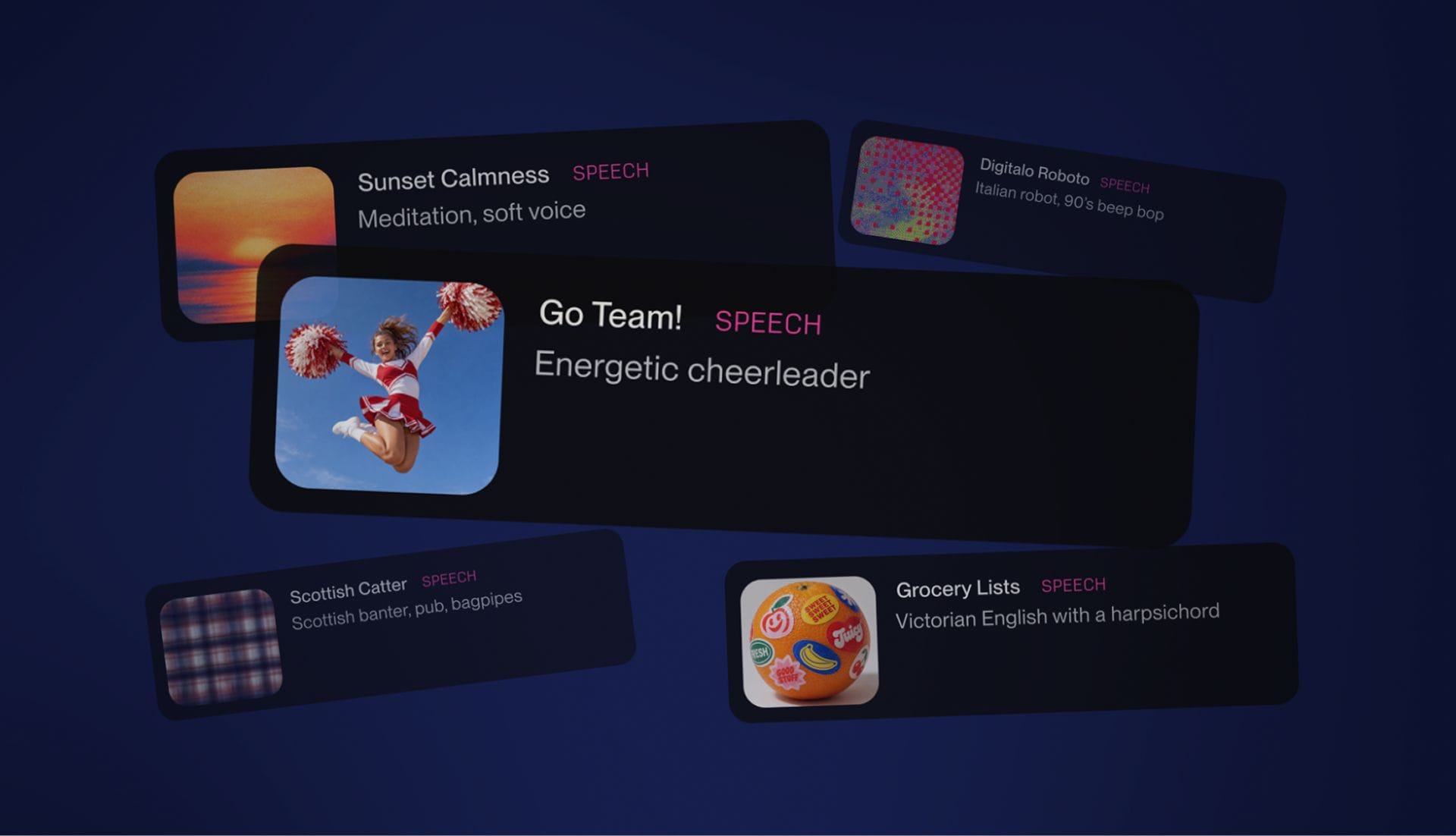
Suno says it spent the past month testing Speech with a small group of users before opening the beta to everyone. The use cases that surfaced went well beyond the obvious: dramatic readings of friends' text messages, epic scores draped over ordinary voice notes, guided meditations, poems, pep talks, and bedtime stories. That list is the real message of the launch — the company is positioning this not as a studio tool but as a personal creative medium, the same way its song generator became a fixture of birthdays and inside jokes before it became a production utility.
Why content creators should care
For anyone producing short-form video, podcasts, or ad material, the interesting shift is workflow compression. A creator who wants a narrated intro with an original bed no longer needs a mic, a voice actor, and a music library — they need a script and a description. Iteration gets cheap in a way it never was: the same intro text can be auditioned in ten moods before lunch.
Now the honest caveats, and they matter. The launch post names no supported languages, so performance in languages other than English is unverified until you try it — the company itself jokes that in this beta a British accent can "wander off to Australia and back," which tells you how early the voice modeling still is. The post also says nothing about generation limits, pricing tiers, or commercial rights for the audio you produce; those live in Suno's terms and plan details, and given the company's history of licensing disputes — before its recent pivot to official partnerships with BMG, Believe and TuneCore — commercial use deserves a careful read of your plan's terms before you ship client work on top of a beta.
If you want a starting point, treat it as a two-step chain: draft the script first with a writing tool — ARWriter produces structured narration-ready text in Arabic and English — then feed it to Speech for the performed track. For background on Suno's licensing turn, our coverage of the licensed v6 models has the details.
Who should actually care
The right question for any new tool isn't "what does it do" but "whose real work does it compress." Judging by the use cases Suno reported from private testing, four groups stand to gain immediately:
- Short-form creators: a musical signature intro, transitions between segments, a closing sting — assets that previously required a composer and a session now cost one generation attempt.
- Meditation and educational content: guided sessions, breathing exercises and bedtime stories were among the most-reported test uses, and they map perfectly onto the product: calm voice, supportive score, no studio.
- Small shops and brands: short audio ads for podcast placement at near-zero budget, with the option to audition ten versions of the same script before committing.
- Writers and poets: turning a poem or a chapter into a performed piece without booking a booth — effectively a proof-of-concept audiobook stage that used to be a capital expense.
What it means for the wider industry
Behind the feature sits a bigger economic collision. The production-music licensing market — where shops and agencies pay thousands a year for background tracks — now faces a generator that produces voice and score together with no intermediaries. Professional voice talent faces a double-edged moment: competition on one side, a leverage opportunity on the other. And strategically, this is Suno racing to become the complete audio platform before the incumbents catch up: having settled its licensing wars through official partnerships with BMG, Believe and TuneCore, expanding from song into speech is the logical move to capture an audience far larger than songwriters.
How to try it today
- Open your Suno account and look for Speech mode inside the platform.
- Start with a short text — one paragraph, one clear idea.
- Describe the voice precisely ("warm male voice, unhurried pace, light documentary score") rather than vaguely ("nice voice, pleasant music").
- Generate three different treatments of the same text and compare them by ear before judging the feature.
- Note how it handles every language you test — that result, not the marketing, determines its value for your workflow.
Quick comparison: where Speech sits
| Tool | Spoken voice | Original music | One merged track |
|---|---|---|---|
| Suno Speech (beta) | Yes | Yes | Yes — the headline capability |
| Voice generators (e.g. ElevenLabs) | Yes, high quality | No | No — manual assembly |
| Music generators (incl. Suno songs) | Singing only | Yes | Partially — sung, not spoken |
The novelty isn't voice, and it isn't music — both have existed separately for years. It's generating them as one performance.
Limits stated plainly
Suno itself wrote that "beta really does mean beta": accents drift, dramatic pauses can be "very" dramatic, and the model will be tuned as usage data arrives. Add the absent pricing and rights details, and the sensible posture for a professional creator is experimentation now, production pipelines later. Tools this early change fast — in both capability and terms.
Frequently asked questions
Does Suno Speech support languages other than English?
The announcement lists no supported languages. Non-English quality — including Arabic and other regional languages — is unconfirmed until tested in the app, and even English accents wobble in this beta.
Is the feature free to use?
The launch post specifies no plan or pricing details. Suno runs on subscriptions with limits shown on its pricing page; check your plan's generation caps there.
Can I use the output commercially?
Commercial rights for Speech output weren't addressed in the announcement. Review Suno's terms and your subscription tier before commercial use — rights typically differ between free and paid plans.
How is Speech different from Suno's song generation?
Songs are sung. Speech generates spoken-word audio — like a narrator or reader — with original music generated alongside it in the same track.
When did it launch?
October 1, 2026, as an open beta, after roughly a month of private testing with a small user group.
Sources
Primary: Introducing Speech (beta) — Suno official blog, Jack Brody, October 1, 2026, plus the official tutorial video on Suno's channel. For the company's trajectory see our coverage of Suno Studio 2.0, or explore ARWriter's writing tools for narration-ready script ideas.