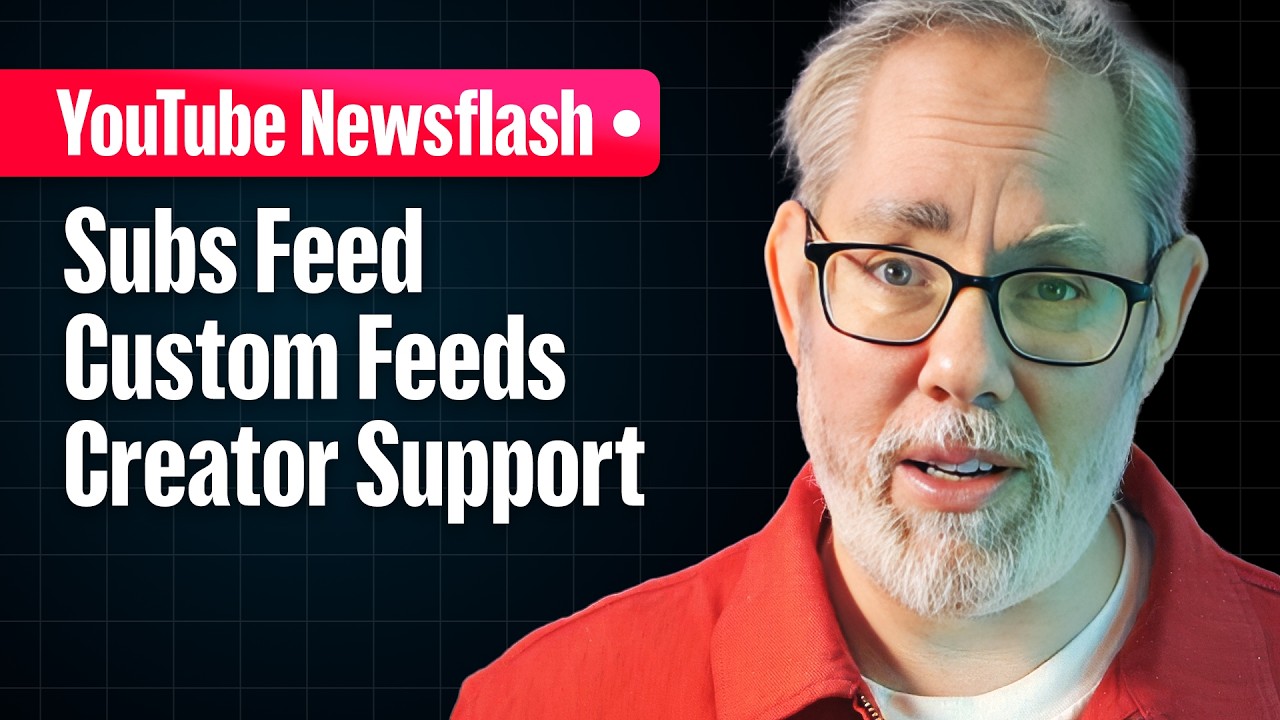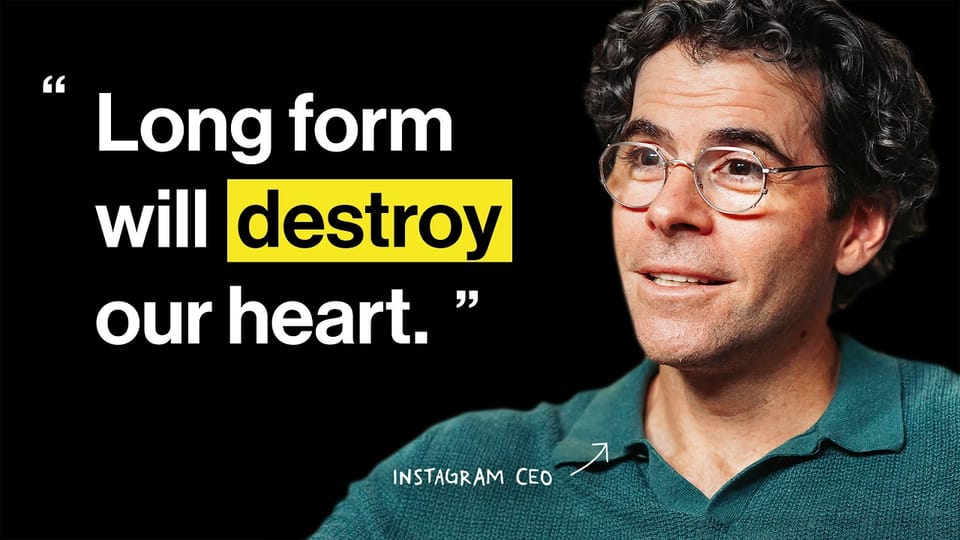
Between late October and the first week of November 2026, Instagram's long-form video story shifted from "a new format in testing" to an open fight for creators' time and loyalty. After the platform announced its widescreen long-form format, Features, in late October, the past week has produced three concrete signals of a monetization push: a prominent long-form shelf at the top of the Explore page for a slice of users, press reports of one-off payments reaching $500,000 to selected big-name creators, and on-the-record comments from Instagram chief Adam Mosseri admitting the current payout system will have to evolve — while conceding the platform hasn't worked out how, and that its smaller payment schemes have historically been cost-negative.
This explainer separates what is confirmed from what remains press-reported, puts the earnings math next to YouTube's, and answers the practical question working creators are asking right now: should you start producing long-form video for Instagram today, or wait?
First, what is confirmed — and what is not
Mixed-source stories reward careful sorting, and this one is layered:
- Confirmed — the Features format itself. Instagram announced the widescreen long-form format in late October, with press reporting runs of up to 90 minutes and a limited test inside the United States. We covered the format in detail in our Features explainer.
- Confirmed — premium Explore placement. Creator-economy analyst Lia Haberman spotted screenshots showing Instagram reserving prominent space at the top of Explore for long-form video for some users — a real distribution signal, and a meaningful reach unlock for anyone publishing long.
- Press-reported — the $500,000 payments. Social Media Today reported on November 4, 2026 that Instagram is offering one-off payments of up to $500,000 to a selection of big-name creators to post long-form content. Meta has not confirmed the payments; treat them as an intention signal, not an open program.
- Confirmed — Mosseri's position. In a long interview with Colin and Samir published October 29, Mosseri said Instagram "will have to evolve" its payments program to incentivize long-form creators, admitted the platform hasn't settled on the right mechanism, and acknowledged that its smaller creator payment schemes have historically been cost-negative in ROI terms.
The format's introduction post from Adam Mosseri's official Instagram account.
What Mosseri actually said, and why it matters
The interview, titled "Why Instagram Completely Changed Its Mind," is the clearest explanation yet of the reversal. The platform that spent years fighting anything longer than a minute has discovered what television knew all along: holding attention for extended periods is what attracts big-ticket advertising, and long-form audiences are stickier. But Mosseri did not promise a YouTube-style partner program. He framed the dilemma precisely — without a credible payment system, long-form creators will not move their work from YouTube, and yet Instagram does not currently have the answer to "how."
The full interview on the Colin and Samir channel, published October 29, 2026.
The earnings math: Instagram vs. YouTube, in numbers
This is where the discussion gets concrete. A comparison published by VidIQ, the creator-analytics platform, frames the structural gap: YouTube pays per view through its revenue-per-mille system, while Instagram pays per deal — sponsorships and partnerships, with no guaranteed floor.
| Metric | YouTube | |
|---|---|---|
| Core payment model | Per view (revenue per thousand views) | Per deal: sponsorships and partnerships |
| 100k audience, mid-tier niche | Roughly $1,500–$5,000/month from ads alone | Roughly $500–$5,000 per sponsored post, no guaranteed baseline |
| Direct long-form revenue | Immediate and compounding | None yet — no official long-form program |
| Income predictability | Accumulative, relatively forecastable | Lumpy: a strong month, then a dry one |
And the harsher figure cited by Social Media Today from VidIQ's analysis: an Instagram creator generally earns around 10% of what a comparable YouTube creator makes. That is precisely the gap the platform is now trying to bridge — with outsized checks for big names and expanded Explore distribution — before long-form on Instagram becomes a rerun of IGTV, the previous long-form bet that died specifically because no one could find a financial reason to post long video anywhere but YouTube.
Why long-form is climbing back to the top now
Behind all these moves sits an economic logic that Mosseri himself laid out in the interview: a viewer who sits through content lasting minutes or an hour is worth more to an advertiser than one who scrolls past a 15-second clip and moves on. Short video builds awareness and reach, but the advertising budgets with real money behind them — the ones that need time to be watched amid the content, not before it — look for long, stable viewing sessions. YouTube built an entire system on that model for close to two decades, and Instagram now wants its share of the same budgets.
The second factor Mosseri stated plainly: long-form audiences are stickier. Someone who watches you for 40 uninterrupted minutes resembles a reader finishing your book — a categorically different relationship from a follower consuming a passing clip while waiting in line. That deeper relationship is what builds channels that last years instead of accounts that vanish with the first algorithm change. Platforms know the difference: big reach without attachment sells cheap ads; deep commitment sells subscriptions, sponsorships, and sales. For those two reasons — ad economics and relationship quality — the current battle is being fought over long minutes, not short seconds.
What this means for your content strategy
Timing reality check: Features remains a limited US test with no announced regional rollout and no official long-form monetization program as of November 8, 2026. None of that argues for ignoring the shift, for three reasons.
First, distribution signals are real. When a platform puts long-form at the top of Explore, that is a strategic investment it will not easily reverse, and creators who build early in a format start with a head start when it opens up. Second, the "long now, distribute later" strategy is cheap if you reuse what you already produce: a long YouTube video can be reframed as a widescreen Instagram cut with modest extra effort. Third, diversification is protection: the current window is ideal for building a library of long-form content in your language before the space gets crowded — because in most non-English markets, serious long-form libraries are still rare.
Practically: convert one weekly content pillar into a long video in your audience's language, publish it to your main channel, and cut it down for the short platforms. The biggest barrier for most creators is scripting long-form consistently — which is exactly what tools like ARWriter's article and research writer are built to compress, turning one idea into a structured draft you then deepen, inside a single Arabic-first workspace for writing, images, and scheduling.
A 30-day preparation plan that risks nothing
If the signals have convinced you to move, here is a one-month plan that neither disrupts your current production nor bets on an unconfirmed promise:
- Week 1 — Inventory. Identify your ten best-performing long videos or the strongest evergreen topics in your niche, verify music and footage rights if you plan to reuse them, and rank topics by actual audience demand rather than personal taste.
- Week 2 — Scripting. Write two long scripts from that list with an explicit structure: an intro that states the promise, sequential chapters, and a closing call to subscribe. Design shots horizontally from the start, because the incoming format is widescreen.
- Week 3 — Pilot production. Produce one 10-to-20-minute long video with your current resources. The goal is measuring your capacity for long-form, not achieving perfection — and it can later be cut into several short clips, so nothing is lost if the platform's rollout is slow.
- Week 4 — Publish and measure. Publish on your main channel, watch the retention curve (where exactly viewers drop off), prepare a widescreen cut, and check your Instagram app settings weekly for a long-video upload option appearing.
By the end of the month you own two tangible assets regardless of what happens next: the seed of a long-form library, and hard data on how your audience retains long content — the exact information you will need whatever shape the platform's eventual program takes.
Quick comparison: platform video incentives, late 2026
| Program | What it offers | Who it's for |
|---|---|---|
| YouTube Partner Program | Per-view payments; the most mature, broadest system | Creators with real watch time |
| Instagram long-form payouts (forming) | Selective one-off payments + expanded reach; no official program announced | Big names now; everyone else waits |
| X Video Kickstart Bonus | Invite-only bonuses for 15 vertical videos across 15 days — we broke down the terms here | Invited accounts, strict consistency rules |
The pattern across platforms is unmistakable: nobody pays everyone anymore. Platforms are buying publishing behavior in different shapes — a lump sum here, a conditional bonus there. The smart move is reading the terms before rebuilding your production calendar around them.
The IGTV lesson: why caution is justified anyway
Instagram has bet on long-form before. IGTV launched in 2018 with a standalone app and a major campaign, then quietly shut down after failing to pull creators off YouTube — not because the audience wasn't there, but because "post your long video here for no clear money" was never a fair trade for a professional creator. The difference this time is that the platform is naming the problem in public: Mosseri himself says the payments program will be forced to evolve. But diagnosing an illness is not the cure. The rational play is preparation without betting the calendar: produce long video where you get paid today, keep Instagram-format versions ready at low incremental cost, and commit fully when a real program is announced and available in your region.
One compliance note before you upload anything: long-form video is also squarely inside Instagram's tightened AI-disclosure rules. Read our guide to Instagram's AI-generated content labels before publishing anything built with generative tools.
Frequently asked questions
Is Instagram paying for long-form video right now?
No official, open long-form monetization program exists on Instagram as of November 8, 2026. What exists is a set of selective one-off payments to major creators (press-reported, unconfirmed by Meta), expanded long-form visibility in Explore, and official statements that a new payments approach is being studied.
What is the $500,000 figure about?
On November 4, 2026, Social Media Today reported that Instagram is offering one-off payments of up to $500,000 to selected big-name creators for posting long-form content. Meta has not confirmed the figure, and it targets a small list of large accounts — read it as a measure of the platform's seriousness, not an opportunity available to the broader creator base.
What exactly is Features on Instagram?
A widescreen long-form video format announced in late October 2026, with press reporting durations of up to 90 minutes. It is currently in a limited test in the United States. We track everything known about it in a separate explainer on this blog.
When will long-form Instagram video reach my country?
The test is US-limited as of this article's date, and Instagram has published no regional rollout timeline. The first reliable signal inside your own account is a long-video upload option appearing in your app's settings.
Should I move my YouTube videos to Instagram now?
The balanced answer: don't move exclusivity, and don't restructure your calendar before an official program and regional availability exist. The sensible play today is preparing widescreen cuts of your best-performing long videos, watching how early adopters' content performs, and keeping YouTube as your per-view revenue base until Instagram's system is real.
The bottom line
Instagram is playing its strongest long-form hand in years: a dedicated Explore shelf, reported six-figure checks for marquee names, and a public admission that payouts must evolve. As of this writing, none of it has hardened into an open program you can build a business on. The creator who wins this window is the one who prepares — an engaged audience and a ready library of long-form content — without betting on a promise that hasn't been formally made. Start scripting your long-form pipeline today with ARWriter's article and research writer, and be first through the door when it opens.
Sources: Adam Mosseri's official interview on Colin and Samir, October 29, 2026 · Social Media Today, November 4, 2026 · earnings comparison from VidIQ's analysis · Mosseri's official format announcement post on Instagram.