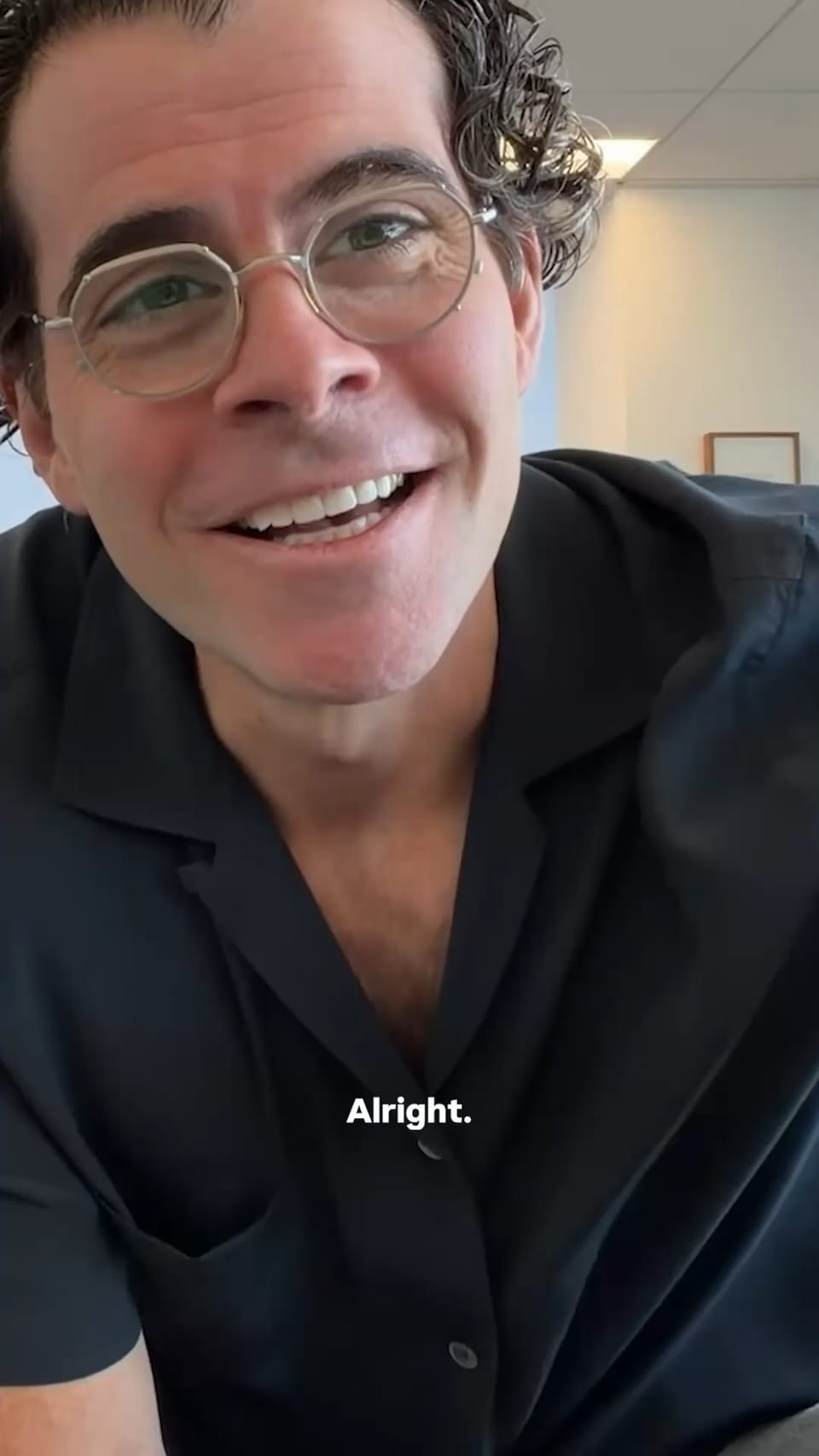
On October 26, 2026, Instagram formally surrendered to an idea it had resisted for years: long-form video. The platform announced Features, a new widescreen video format that press reports say will support uploads of up to 90 minutes — a direct challenge to YouTube's oldest territory. The announcement came through a six-and-a-half-minute video from Instagram head Adam Mosseri with VP of Product Tessa Lyons, and was confirmed to The Verge by Instagram spokesperson Megan Buckley, who said Features is expanding in a small US test and is in testing with selected creators in Brazil.
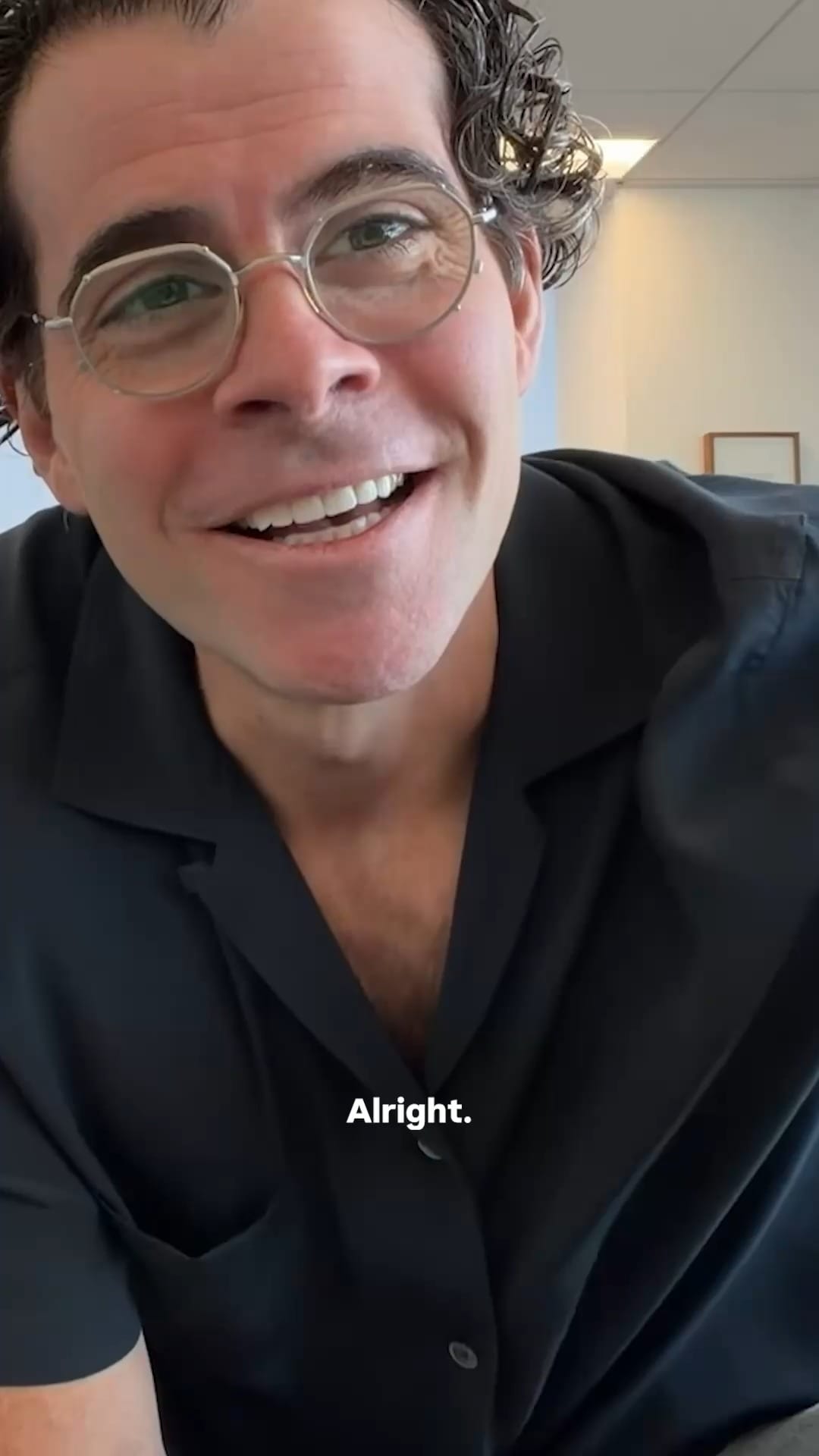
From Adam Mosseri's official announcement video on Instagram, October 26, 2026.
For creators, publishers, and anyone who plans content calendars for a living, this is not a routine feature drop. It is a structural shift in how one of the world's largest distribution surfaces expects video to be made, packaged, and consumed. This explainer walks through exactly what was announced, why Instagram reversed course, the monetization fine print nobody is highlighting, and a practical preparation plan you can start this week — regardless of where the test expands next.
What exactly was announced?
Features is a horizontal, widescreen video format built for long viewing sessions on Instagram. Until now the platform's video identity was vertical and short: Reels measured in seconds, consumed by thumb. Features flips the frame: landscape orientation, screen-filling playback, session lengths associated with podcasts, interviews, comedy specials, and documentary episodes rather than viral clips.
Mosseri's framing, laid out in the announcement video, is that long and short video should become "symbiotic" — one piece of content living two lives: a full-length episode for committed viewers, and a stream of short clips that promote it. It is the playbook podcasters already run on YouTube and TikTok simultaneously, now being offered natively inside Instagram.
The official announcement video on Mosseri's account; a widescreen version was published alongside it.
Alongside the format itself, Instagram is testing a supporting toolkit:
- Clips that point to long videos: short excerpts that funnel viewers toward the full episode.
- Reels "series": a way for creators to string short clips into a followable sequence.
- Better live video discovery: improvements to how live content surfaces.
The reversal: why Instagram spent years saying no
The most striking part of this announcement is its history. Mosseri was long-form's most visible internal opponent, and he addressed that record directly: "one of my concerns has been, how do we make sure that we keep Instagram not just about entertainment, but about connecting with friends." His worry, as he explained it, is that a viewer sunk into a 90-minute video is sending fewer Reels, photos, and carousels to friends — fewer likes, fewer shares, less of the social plumbing the platform was built on.
So what changed? Three pressures converged:
The living room moved in. Instagram's TV app launched late last year as a Reels-focused pilot on Amazon Fire TV devices in the US, then expanded to Google TVs, Samsung TVs, and Apple TV, adding Stories on the big screen earlier this year. Vertical short-form video sits awkwardly on a horizontal 55-inch display. Features finally gives the TV app native material.
The watch-time war escalated. YouTube pushes into short-form with Shorts, TikTok experiments with longer uploads, and every platform is eating its neighbors' formats. Staying deliberately absent from long-form meant donating the most monetizable viewing hours to competitors.
Creator economics consolidated around the episode. The biggest creator businesses — podcasters, talk shows, documentary series — are built on long episodes sliced into clips. A platform that cannot host the full episode becomes a promotional channel for one that can. Instagram decided it would rather be both.
The monetization reality check
Here is the part of the story that announcement videos do not cover. According to Variety's reporting, Instagram — unlike YouTube — is not sharing ad revenue with creators for this new format, at least during the current test phase. Follow-up coverage noted Mosseri himself acknowledging that Instagram's payments for video creators lose money as it is.
The practical translation: if you are moving your show to Instagram expecting a YouTube-style revenue split, today's number is zero. What the format offers in this phase is reach and audience building — early placement in a format the algorithm is actively learning to distribute, with far less competition than saturated short-form feeds. That is precisely the arbitrage early Shorts adopters exploited, and before them, the first wave of YouTube channels in every language.
For a full picture of how YouTube's own payout system is evolving, see our explainer on the Shorts algorithm update around original content — the two platforms are converging on the same creator attention from opposite directions.
What this means for content creators in practice
A note on geography before the playbook: the test currently covers the United States (small scale) and Brazil (selected creators). There is no announced timeline for other regions. But preparation does not require access — it requires an editorial decision. Here is the rational one:
1. Re-audit your horizontal archive. Podcast episodes, webinars, interviews, conference talks, tutorials — anything already shot landscape and longer than 10 minutes is ready-made inventory for Features. Catalog it now, tagged by topic and quality, so expansion day is a publishing operation, not a production scramble.
2. Rebuild your production model as "episode + clips." The symbiotic structure Instagram is designing for means the smart cadence is one long recording session per week, sliced into five to seven short clips for daily distribution. One shoot, two formats, a week of content. This collapses production cost per post and gives the algorithm two surfaces to reward.
3. Rethink packaging as a horizontal skill. Long-form widescreen lives and dies by cover images, episode titles, and episodic branding — skills YouTube creators have polished for a decade and Instagram-native creators have never needed. If visual packaging is your bottleneck, modern image-generation tools close most of the gap — we saw how far in-house image models have come in our coverage of Canva’s Craft image model; ARWriter's creator tools handle covers, captions, and post copy in Arabic and English in one workspace.
4. Do not abandon YouTube — dual-home the show. YouTube remains the monetization engine (revenue sharing, search longevity, archive value). Instagram Features is the social distribution layer: shares, DMs, Stories reactions, follower growth. Produce once, publish twice, and let each platform do what it is structurally best at.
5. Watch the rollout announcements weekly. Tests at Meta historically expand in waves. The creators who publish in week one of a regional rollout collect the distribution dividend of a format-starved feed; the ones who start drafting their strategy then are already late.
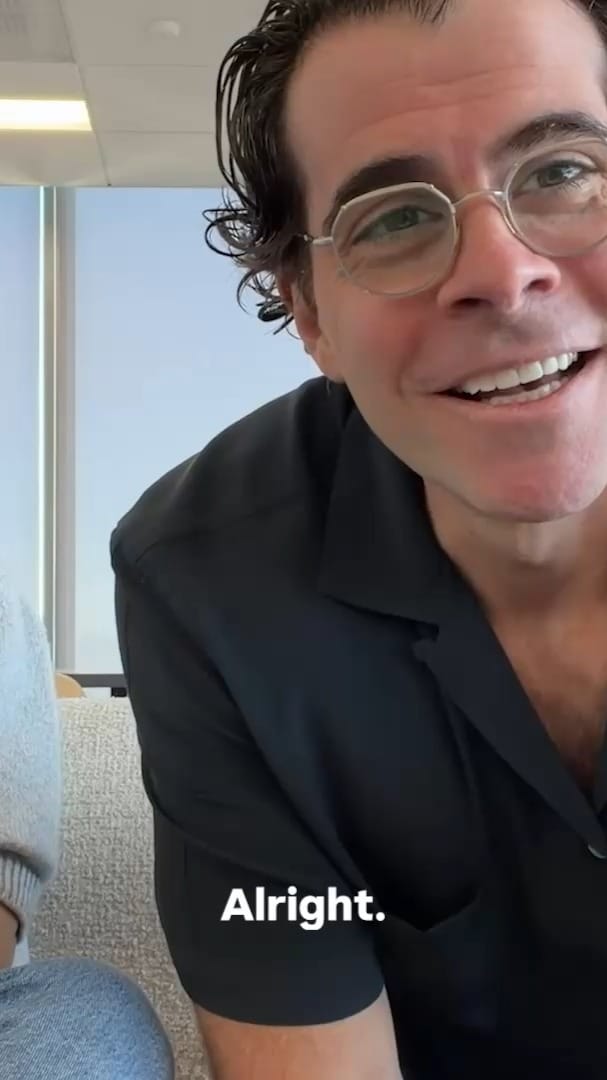
The widescreen cut of the official announcement video — a deliberate visual statement about the new format's orientation.
Features vs YouTube: a quick comparison for publishers
- Content length: YouTube has no practical ceiling for episode uploads; Instagram's reported cap in testing is 90 minutes.
- Revenue: YouTube shares ad income through the Partner Program once thresholds are met; Instagram is not sharing ad revenue for Features in the current phase.
- Social distribution: Instagram's core strength — every episode triggers shares, DMs, and Story reshares; YouTube is weaker socially but stronger for search and archiving.
- Competition density: YouTube long-form is a mature, crowded arena; Instagram long-form is minutes old, with early-mover visibility still cheap.
- TV presence: Both sit on smart-TV platforms, but Instagram's TV app is new and aggressively pushing toward this exact format.
Who gains first: a category-by-category read
Not every creator benefits at the same speed from a widescreen, session-based format. A rough hierarchy of winners:
Podcasters and interview shows sit at the top. Their audience already accepts hour-long sessions, their production model already generates clips, and Instagram gives them the social surface no podcast player offers. For this group, Features is closer to a distribution unlock than a strategy change.
Course creators and educators come next. Full tutorials, deep-dive explainers, and cohort sessions fit the format naturally, and each short clip becomes a free lesson teaser driving enrollment. The caveat: without revenue sharing, the monetization path runs through the course checkout, not the platform.
Local media and publishers gain an archive-friendly home for field reports and extended interviews that currently dissolve into 24-hour Stories. A profile that accumulates durable episodes behaves more like a channel than a feed.
Comedy and episodic fiction map neatly onto the announced Reels "series" concept — recurring characters and episodic arcs that convert casual scrollers into season bingers.
Performance-dependent niches — pure short-form entertainers and trend-reactors — gain the least initially. Their craft is compression, not duration, and forcing 90 minutes onto it usually produces worse content, not more.
The timing question: what history says about windows like this
Every previous format wave followed a similar curve. Early adopters of Instagram's own Reels enjoyed distribution that wildly outsized their production budgets, simply because the algorithm was starving for the new format. Then professional operations flooded in, the feed saturated, and organic reach settled back to its ordinary grind. The same pattern played out with vertical video on nearly every platform that adopted it.
What is different now is that Instagram is announcing long-and-short integration as a design philosophy, not an isolated feature — which makes preparation closer to infrastructure than to a bet. The counterweight is equally real: platforms retreat from experiments, and Instagram has retired video initiatives before. The balanced stance for the coming weeks: 70% of effort on what works today (short-form plus YouTube), 30% on readiness — horizontal archive, cover templates, a dual-format production script. If Features expands, you are early. If it stalls, you lost nothing.
Honest limitations to plan around
- It is a test, not a launch. A small US scope plus selected Brazilian creators. Global — and regional — availability is unannounced and unscheduled.
- The 90-minute figure comes from press reports — consistent across multiple outlets, but not yet a number published on an official product page, and it could shift at general availability.
- No monetization program is attached. No revenue share, no announced creator fund for the format.
- Instagram has killed video initiatives before. The platform's history includes long-form experiments that were retired. Sustained commitment will be decided by retention numbers most creators will never see.
- The tension Mosseri described is real. A social platform filling with 90-minute sessions risks the friend-to-friend sharing that drives its identity — an internal contradiction that could reshape the format again.
The strategic bottom line
Instagram's October 26 announcement is an admission that the future of content distribution is not short versus long, but short and long produced together. The creators who win the next cycle will not be the ones who pick a side — they will be the ones who redesign their production line now: one horizontal episode per week, a clip pipeline feeding daily short-form, packaging built for both orientations, and publishing infrastructure ready the day the format reaches their market. The tools for the text half of that pipeline — episode notes, titles, descriptions, captions, scheduled posts in two languages — already exist at ARWriter; the archive audit you can start tonight.
Frequently asked questions
What is Instagram Features?
Features is Instagram's new widescreen long-form video format, announced on October 26, 2026. Press reports say it supports videos up to 90 minutes, and it is designed for podcasts, interviews, and shows, with built-in connections to short-form Reels.
Are 90-minute Instagram videos available to everyone?
No. The format is in a limited test — a small rollout in the United States and selected creators in Brazil, according to Instagram's spokesperson — with no announced date for wider or international availability.
Do creators earn money from Instagram long-form videos?
Not currently. Unlike YouTube, Instagram is not sharing ad revenue for the Features format during testing, and Mosseri has acknowledged that the platform's existing video creator payments lose money. The current value is reach and audience growth.
When will Instagram Features reach my country?
Instagram has not announced an expansion timeline beyond the US and Brazil tests as of this article's publication, so the practical move is preparing long-form inventory and production workflows now.
How is Features different from Reels?
Reels are short vertical clips built for fast thumb-scrolling consumption, while Features is a horizontal long-form format built for extended viewing sessions, supported by tools like clips that lead viewers from Reels to the full episode.