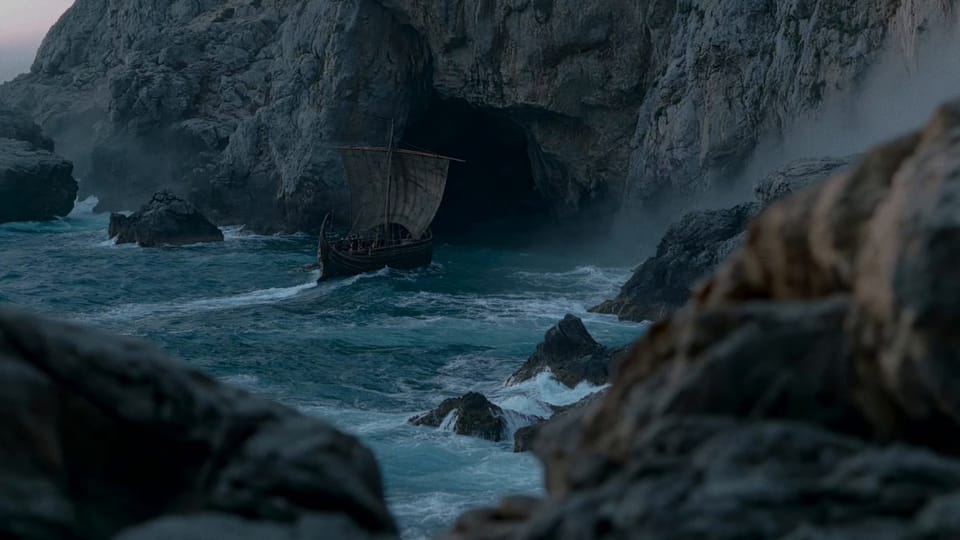
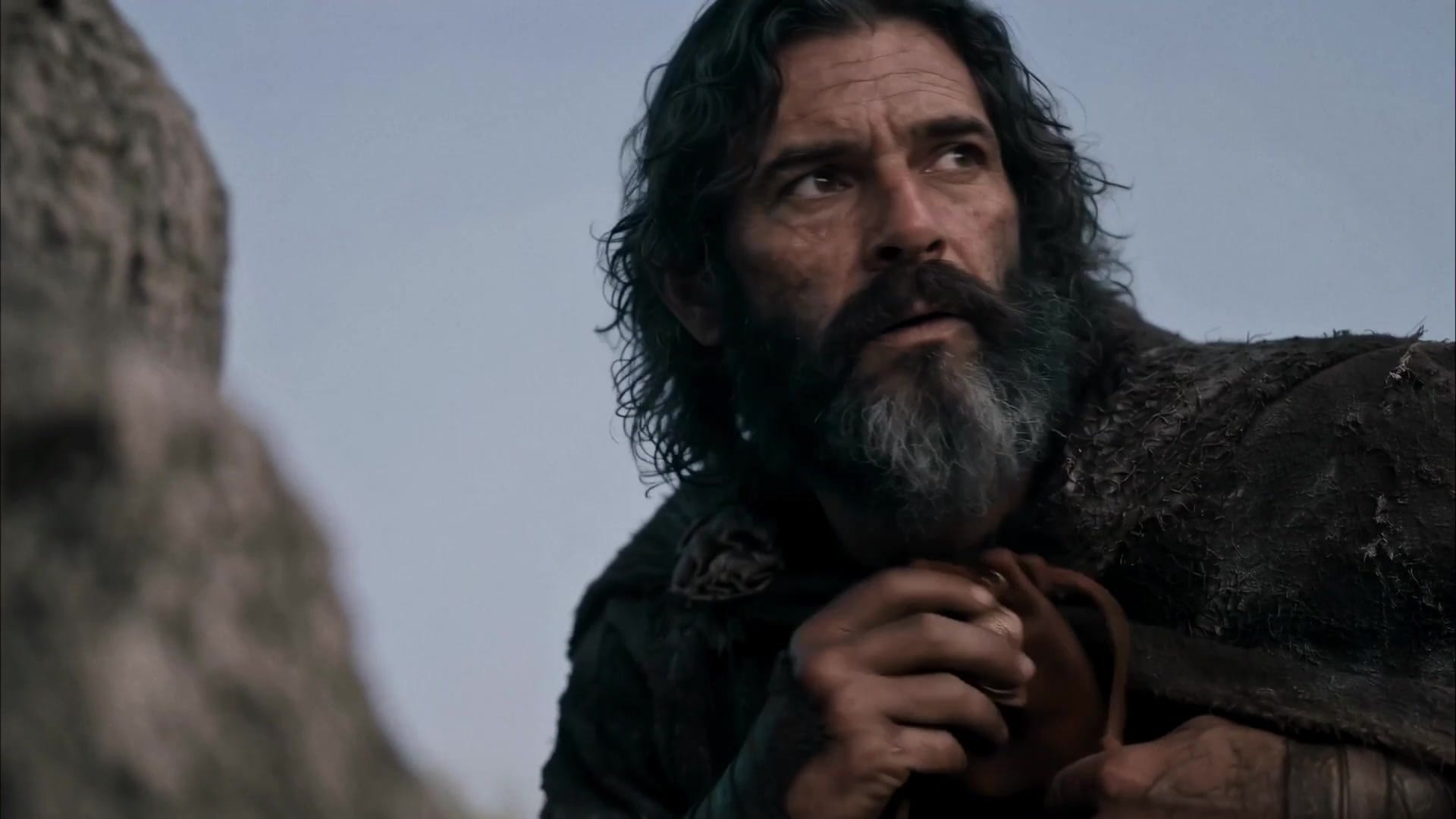
On October 23, 2026, the official Grok Imagine account on X published a video that instantly became a reference point for anyone following AI video: Episode 1 of "Odyssey" — Homer's epic generated entirely with artificial intelligence, running 7 minutes and 12 seconds, in a creative collaboration with Wonder Studios and director Dev Walker. It is the first concrete installment of a promise Elon Musk made publicly three months earlier: a full-length, "historically accurate" Odyssey film built with xAI's video tools before the end of the year. This piece breaks down exactly what was released, the technology that made it possible, the critical reception, and — most importantly — what a working content creator can realistically do with the same stack today.
Source: official Grok Imagine account on X, October 23, 2026.
What exactly was released?
The video attached to the official post is "Episode 1" of the Odyssey series — 7 minutes and 12 seconds of actual runtime, delivered at resolutions up to 4K. The post text reads: "Watch Episode 1 of our Odyssey series made with Grok Imagine. Let us know in the comments if you'd like a full breakdown of how it was done! Creative collaboration with Wonder Studios and director Dev Walker." It pulled more than 22,800 likes within its first days.
One detail deserves emphasis: this is not a hobbyist project. It is a collaboration between xAI, a professional studio, and a real director. The result represents what the tools can deliver in trained professional hands — a ceiling, not an average.

The promise that came first
Context matters here. July 2026 was the summer of Christopher Nolan's The Odyssey — a practical-effects blockbuster that sold out IMAX screenings for months and became the early Academy Awards front-runner. Against that backdrop, on July 22, 2026, Elon Musk posted: "Before this year ends, Grok Imagine will make a full-length movie of The Odyssey that is historically accurate and true to the art of Homer." The October episode is the first public down payment on that promise — delivered as a series rather than a single film, which is itself telling about production realities.
Source: Elon Musk on X, July 22, 2026.
The technology that made it possible
The film did not appear out of nowhere. Throughout 2026, xAI assembled a full media-generation stack under the Grok Imagine brand, and the pivotal release for narrative work was "Imagine Video 1.5 with References," announced July 31, 2026. Three capabilities from that release are the reason a multi-scene, multi-minute story became feasible:
- Multi-reference generation. Up to 7 reference images per generation, where each image locks one element in place — a character's face, a product, a location. This is the mechanism behind character consistency: the same faces, costumes, and sets carry across shots, solving what had been AI video's most disqualifying weakness for narrative use.
- Voice references. Pass in a voice sample and the character keeps the same voice in every scene — non-negotiable for any long-form storytelling.
- Native 1080p text-to-video. Describe the shot in words alone — no starting image needed — or animate an existing image, both at native 1080p.
Availability, per xAI's official announcements: text-to-video and native 1080p are generally available on grok.com/imagine and the iOS and Android apps for all tiers, while image and voice references launched in the United States for SuperGrok Heavy and SuperGrok Plus subscribers before rolling out more broadly. Developers get the same model through the xAI API as grok-imagine-video-1.5, with voice references available on request. In August, the company added the Imagine Image 2.0 model, officially described as "precise image generation and editing, built for real creative work."
In creator terms: the three ingredients of any serialized show — a consistent character, a consistent voice, and shots you direct in words — now live inside a single tool. That is what made a 7-minute episode possible at all.
What the critics said — an honest read
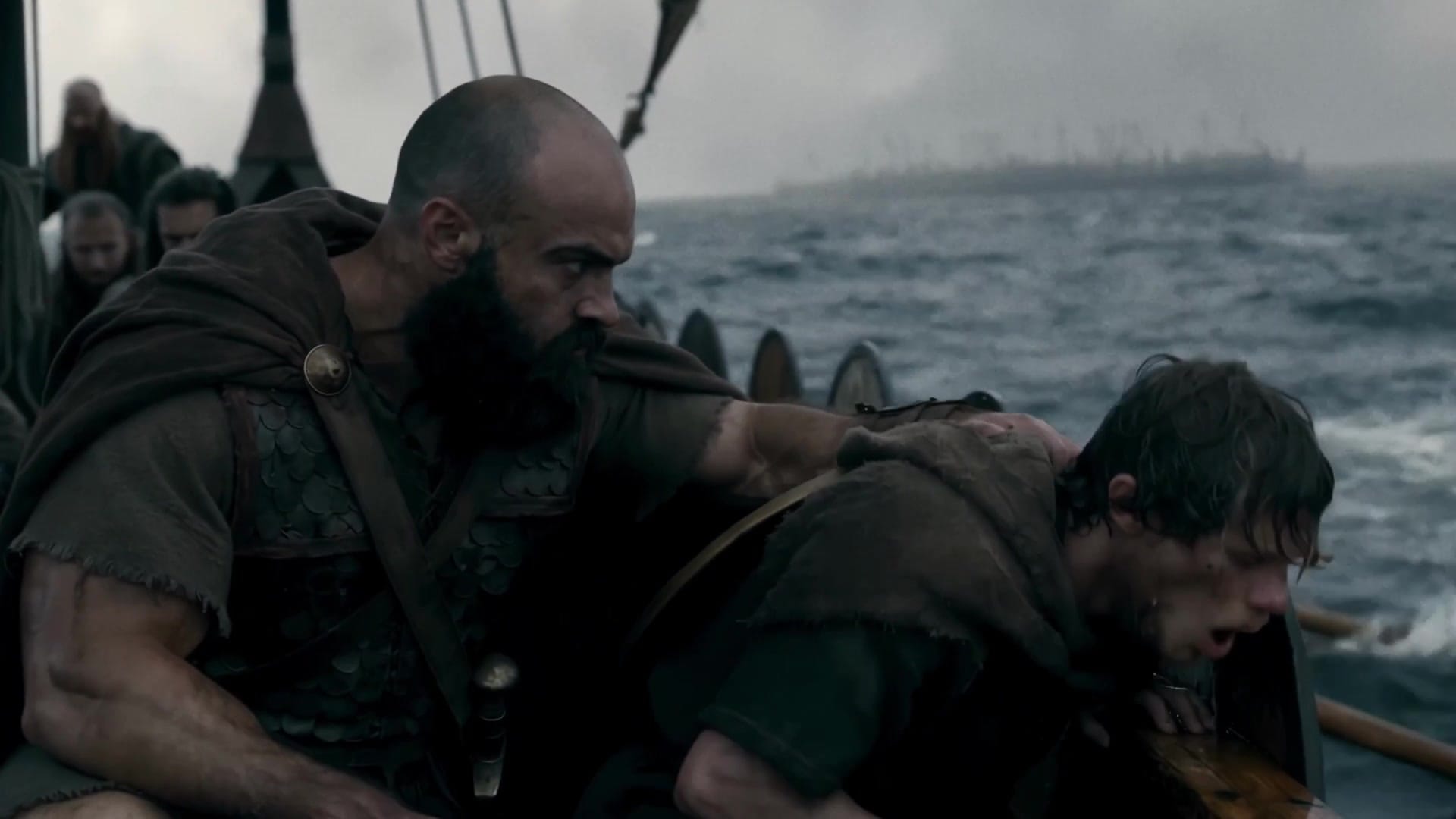
The first major Western coverage came from TechCrunch on October 25, and it was unusually balanced. On the positive side, the reviewer conceded the result "is not as spectacularly ugly as I'd expected" and that "there were moments when I might have thought these were real actors sailing across a real sea." From a professional critic, that is a heavy admission: the realism threshold has officially been crossed, at least in isolated shots.
The substance of the criticism, though, is where the real signal lives. The footage "lacks any sense of artistry, inspiration, or human interest" and feels "completely airless" — no momentum, no reason to care about anyone on screen, dialogue that makes Nolan's clunkiest lines sound like Shakespeare, and a plodding voiceover. Even the "historically accurate" claim stumbles in practice: the characters speak English with a British accent, not ancient Greek.
The fair summary: visual realism has arrived; soul has not. And that distinction is precisely what matters to you — because your commercial work never needed Homer's soul in the first place.
What this means for your content workflow
- Your short-form series is now viable. The episode's real achievement is proof that multi-scene storytelling with stable characters is executable. A feature film, no — but a branded series of 5-to-10-minute episodes with a consistent visual identity is a practical 2026 project.
- A workflow you can copy today: (1) script the episode and its shots, (2) generate character and location images in one consistent style, (3) feed those images as references to generate each video scene, (4) lock your narrator with a single voice reference, (5) assemble and pace the cuts in a conventional editor. That is structurally how the Odyssey team worked, minus the professional polish.
- Ads and brand content come first. The "no soul" critique applies to art cinema. A 30-second product spot, a brand introduction video, or scene-based educational content does not need auteur genius — and that is where your immediate opportunity sits.
- Humans remain essential. A professional director and studio stood behind 7 minutes of output. Anyone selling you "one prompt, one movie" is selling marketing, not reality.
How to try Grok Imagine from your region
Grok Imagine ships inside the Grok experience at grok.com and the mobile apps, tied to X and SuperGrok subscriptions. For pricing context, see our coverage of The X Subscription xAI announced on October 12, 2026: a single plan bundling Grok, Grok Bot, Cursor, and X Premium, starting from a free tier and climbing to $200 per month — with higher tiers unlocking more generation quota, higher resolutions, and advanced features like references. Developers and agencies can integrate video generation directly via the xAI API on a pay-per-use basis.
One honest caveat: feature rollouts are not geographically uniform. Reference capabilities started in the US before expanding, so verify what is actually enabled for your account before promising a client a specific workflow.
How the stack got here: the 2026 timeline
Reading Episode 1 in isolation misses half the story. From xAI's official news page, here is the documented progression of the company's media-generation stack in under a year:
| Date | Release | What it added |
|---|---|---|
| January 28, 2026 | Grok Imagine API | Competitive video generation via API across quality, cost, and latency |
| June 3, 2026 | Imagine 1.5 Preview | Image-to-video model in API preview |
| June 16, 2026 | Imagine Video 1.5 | Improved quality at faster speeds |
| July 31, 2026 | Video 1.5 with References | Up to 7 visual references + voice references + text-to-video at native 1080p |
| August 7, 2026 | Imagine Image 2.0 | Precise image generation and editing "built for real creative work" |
The takeaway from that table: in seven months, the stack went from standalone shots to a serialized production system — characters, voices, resolution, and a developer API. Odyssey Episode 1 is not a sudden leap but the natural fruit of that progression. And every component in it is available to you today with the same tools; the professionals' edge is assembly expertise, not secret access.
Quick comparison with the alternatives
| Tool | Standout strength | Best fit |
|---|---|---|
| Grok Imagine | Up to 7 references locking characters and voices across scenes, native X integration | Consistent-character episode series and fast social video |
| Runway (Aleph 2.0) | Official DaVinci Resolve plugin that generates and restyles shots from your timeline | Editors working in Resolve who want generation inside their NLE |
| Other video tools (Sora, Veo, and peers) | High-quality single-shot generation | Standalone shots and short ads |
Also see our practical guide to Runway's DaVinci Resolve plugin if you edit professionally, and our earlier analysis of what Grok offers content creators for the wider xAI picture.
Honest limitations before you dream too big
- Seven minutes is not a movie. The full-length promise remains unfulfilled; what shipped is a first episode. The distance from 7 to 90 minutes is not arithmetic — it is consistency and dramatic design.
- The aesthetic critique is real. "Airless," "stilted," and "no human interest" are not sour grapes; they are the current ceiling for artistically ambitious narrative work.
- Professional hands were required. A named director and a full studio produced this episode. Budget for human direction and editing in any serious project.
- "Historically accurate" is negotiable. An ancient Greek epic narrated in British-accented English is a reminder to fact-check big claims.
- Commercial rights remain a gray zone. Usage terms for generated output differ across platforms and tiers — review them before selling AI-generated work to a client.
Before you publish: AI-content disclosure
One point most coverage skips, and the most practically important one: platforms are progressively tightening requirements for creators to disclose AI-generated video. If your work is commercial — a client ad or brand content — hiding that it was generated can damage your reach and your professional reputation when discovered later. The safe working rules: label it plainly ("scenes generated with AI" in the description or on-screen), keep records of the prompts and references you used, and secure rights for any voice or face you feed in as a reference — a real person's likeness without documented consent is a legal risk not worth taking when fully synthetic faces are a built-in alternative. And disclosure is no longer the marketing penalty creators once feared: audiences see generated video daily, and trust is built by transparency, not concealment.
The bottom line
Odyssey Episode 1 is neither the death of cinema nor a cheap tech demo — it is a working proof of concept that AI video has crossed into multi-minute, character-consistent storytelling, and that the remaining gap is artistic rather than technical. For working creators, the practical move is to start smaller: a branded mini-series, recurring-character ads, scene-based educational content — and build the muscle now, before the tools close the remaining distance. If you want the full Arabic-market stack for scripting, research, and prompts in one place, start with ARWriter's article and research writer and the prompt library — and get your own epic scripted before everyone else does.
FAQ
What is the Grok Imagine Odyssey film?
It is an xAI project adapting Homer's Odyssey into fully AI-generated video using Grok Imagine. Episode 1 — 7 minutes and 12 seconds long — was published on the official account on October 23, 2026 in collaboration with Wonder Studios and director Dev Walker.
Who made the AI-generated Odyssey film?
It was produced with xAI's Grok Imagine tooling, in a creative collaboration with Wonder Studios and director Dev Walker, following Elon Musk's July 22, 2026 promise of a full-length film before the end of the year.
Is Grok Imagine free?
It is included in X and SuperGrok plans that start with a limited free tier and climb to $200 per month, with higher tiers unlocking more generation quota and advanced features such as visual and voice references. Developers can access it through the xAI API under pay-per-use pricing.
Can I make an AI film like Odyssey myself?
You can build short episode series with consistent characters using the reference system, but Odyssey's polish came from a professional team and a human director. Start with shorter projects — ads, brand content, explainer episodes — and scale length gradually.
How is Grok Imagine different from Sora?
Both generate video from text or images, but Grok Imagine currently stands out for its multi-reference system (up to 7 references) that locks characters and voices across scenes, plus native X integration, while tools like Sora are best known for single-shot quality. Your choice depends on the project: connected narratives or standalone shots.