$1.60. That is the revenue per recipient earned by the top ten percent of win-back emails, according to Klaviyo's 2026 Omnichannel Benchmark — and it is the number that should reframe how you think about the customers sitting silently in your list. Meanwhile, 73 percent of marketers told Klaviyo's 2025 State of B2C Marketing survey that customer acquisition costs are rising. Paying more to acquire strangers while ignoring the buyers you already paid for is, on its face, an odd allocation of budget.
Win-back email campaigns exist to close that gap. This guide covers how to define a lapsed customer honestly, the message ladder that escalates from gentle nudge to final goodbye, how deep your discounts should go at each tier, and how to use AI to write the sequence without producing five identical "we miss you" emails.
What Separates a Lapsed Customer From a Lost One
A lapsed customer is not someone who ignored one campaign. The working definition combines two signals: the time since their last order has passed your store's natural repurchase cycle, and their email engagement has gone quiet. A skincare shopper who buys every five weeks and has not ordered in four months is lapsed. A furniture buyer whose sofa purchase was eleven months ago may be perfectly on schedule.
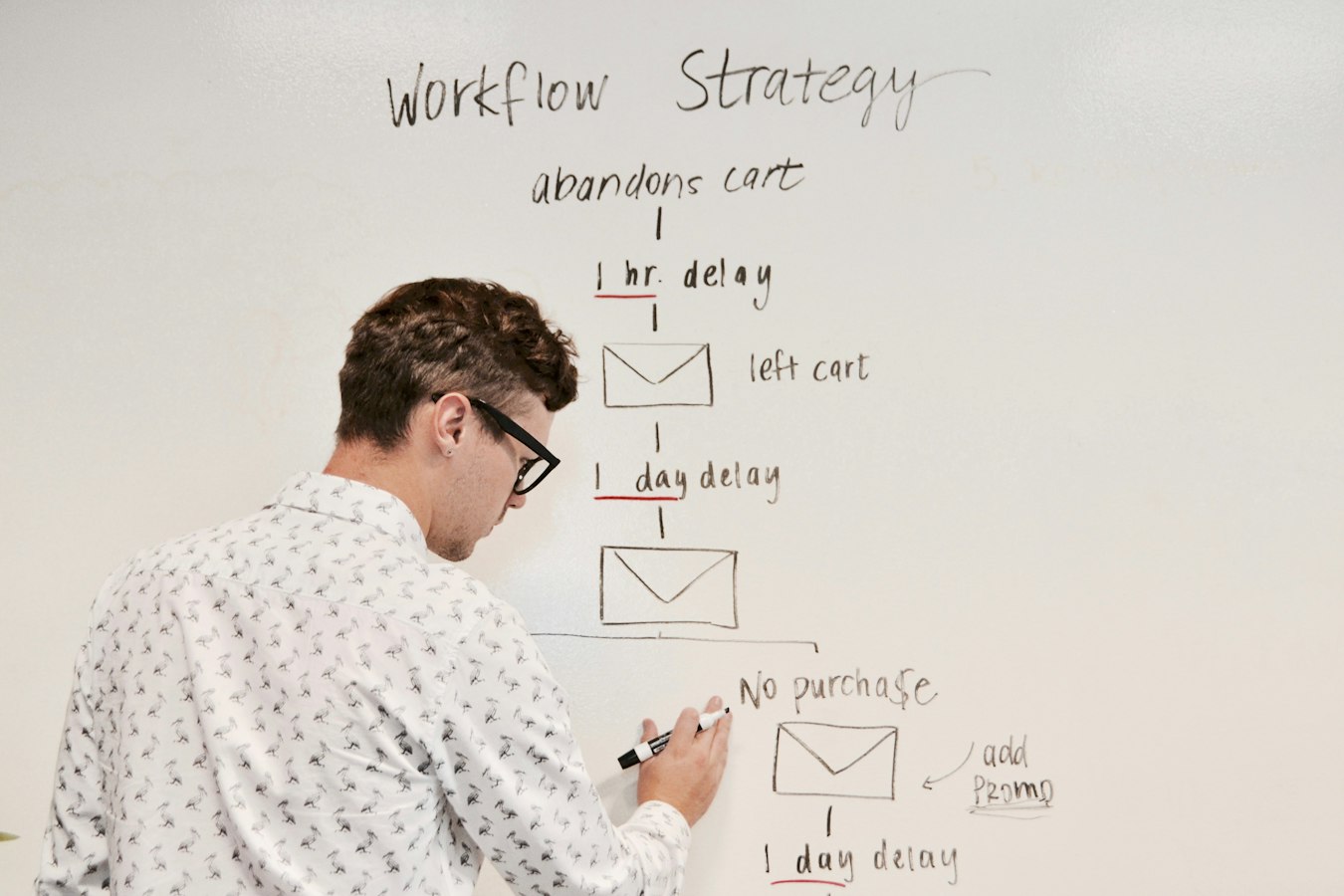
Do not confuse customer win-back with cart recovery, either — the two get conflated constantly. An abandoned cart is an unfinished order from someone possibly still warm today; win-back targets a finished relationship that has gone cold over months. One nudges an open tab, the other restarts a conversation. Both matter, but they share nothing in timing, tone, or offer. If your lapse problem actually starts earlier in the journey, the stronger fix is usually upstream: a well-built post-purchase flow keeps customers from drifting in the first place, and review request emails keep the relationship conversational between orders.
The scale of the neglect is genuinely large. Research from Validity and Return Path cited by Omnisend found that marketers send roughly 20 percent of all their email to inactive subscribers — millions of messages fired at people who have already stopped listening, depressing engagement metrics and, over time, deliverability itself. A proper win-back program is as much about list hygiene as revenue: it either wakes the sleeper or formally retires them.
The Economics of Reactivation: Why Win-Back Beats Acquisition
The financial case stacks up from several independent directions. Invesp's frequently cited research, referenced by ActiveCampaign, puts the cost of acquiring a customer at roughly five times the cost of retaining one, with loyal customers five times more likely to repurchase. DemandSage's retention statistics compilation adds the compounding effect: a five percent improvement in retention lifts profits by 25 to 95 percent, and 89 percent of marketers already lean on email as their retention workhorse. CX Today's analysis, meanwhile, attributes 65 percent of company revenue to existing customers.
Then there are the win-back-specific numbers. WinBack Labs research cited by Omnisend estimates a 20 to 40 percent probability of successfully recovering a lapsed customer — remarkably high for "dead" names — and found that 47 percent of won-back customers go on to spend more than they did before they left. Omnisend's own ecommerce email data shows lapsed-purchase flows averaging a 33 percent open rate, 1.96 percent click rate, 0.52 percent conversion, a healthy $94 average order value, and $0.49 in revenue per email sent. And automation carries it all efficiently: per Omnisend's 2026 reporting, automated emails represent about two percent of sends but roughly 30 percent of email revenue.
Compare that to your paid acquisition math. Re-engagement clicks from a win-back email cost you the incentive and a little sending reputation; clicks from cold traffic cost you auction prices in a market where nearly three-quarters of your peers report costs rising. Retargeting ads have their place — the AI copywriting playbook for Meta ads in ecommerce covers squeezing more from warm audiences — but email reaches the same people at a fraction of the cost when the list is kept clean.
The 30/60/90/180-Day Ladder: Matching the Message to the Silence
The architecture that makes win-back work is escalation: the message should change character as the silence lengthens, because a day-35 non-buyer and a day-200 non-buyer are different species.
| Days since last order | Customer state | Message angle | Offer depth | Example subject line |
|---|---|---|---|---|
| 30 | Cooling, not gone | Helpful nudge tied to the product | None | "Your grinder blades stay sharper with this" |
| 60 | Noticeably quiet | New arrivals matched to past purchases | Light perk, e.g. free shipping | "New arrivals picked for tea drinkers" |
| 90 | Lapsed by any measure | Direct but warm re-engagement | ~10% code | "We saved your spot — and 10% for you" |
| 180 | Deeply dormant | Emotional appeal plus real value | 15–20% or a bundle | "It's been a while. Here's 20% to say so" |
| 365 | Effectively churned | Last-chance goodbye | Best justified offer, or none | "Should we say goodbye?" |
Klaviyo's guidance supplies the calibration principle hiding in the first row: find the window in which 75 to 85 percent of customers who ever reorder do so, and treat the edge of that window — not a generic "three months" — as the moment your sequence should already be running. For a consumables store that window might close at six weeks; for furniture it can stretch past a season. Anchor the ladder to your own repurchase data, which any store with order history can pull in an afternoon.
Timing around retail events bends the ladder further. A customer sixty days lapsed in early November is not a day-60 case — they are a pre-Black Friday reactivation target, worth contacting three to four weeks before the event with messaging that frames the sale as their comeback moment rather than a generic broadcast.
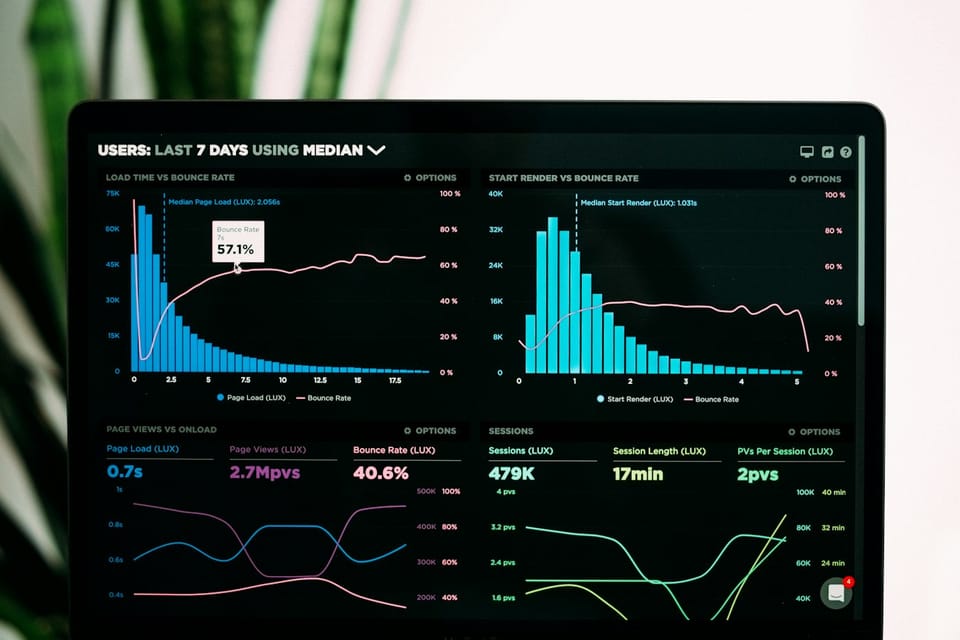
Notice how the ladder's shape, not just its numbers, is the strategy. Here is what that escalation looks like when you chart it.

Incentive Math: How Deep Should the Discount Go?
Discounting is where win-back campaigns are won or lost financially, and the discipline is simple: never offer more margin than the customer's history justifies. Assume a store with a $50 average order value and 60 percent gross margin — $30 of margin per typical order. A ten percent code costs $5 of that margin; free shipping might cost $6 to $8; a twenty percent goodbye code costs $10. Against a customer who used to order four times a year, any of those is cheap rent. Against a one-order, price-shopper who has been dormant eleven months, a twenty percent code is charity.
The tiers line up cleanly with the ladder above. At day 30 and day 60, offer relevance instead of money — new stock that matches past purchases, restocked favorites, content they once engaged with. At day 90, introduce the first genuine incentive, and ten percent is usually plenty; Omnisend's lapsed-flow economics ($0.49 per email, 0.52 percent conversion, $94 AOV) suggest modest, targeted discounts are enough to keep the campaign solidly profitable at scale. Reserve fifteen to twenty percent for the day-180 deeply-dormant tier, and only for segments whose historical value clears the cost. The day-365 goodbye email can carry your best offer or none at all — its second job is finding out who wants to stay subscribed.
One structural rule keeps the math honest: compute revenue per email sent per segment, not just campaign revenue in aggregate. A "20% OFF" blast that wakes a thousand strangers and trains your best customers to wait for discounts is a net loss wearing a revenue costume.
Jonas's Tea Brand: Waking Up 6,000 Dormant Customers in Rotterdam
Jonas runs a loose-leaf tea brand from Rotterdam, selling mostly in the Netherlands, Germany, and the UK — average order value around $46, and a tidy 100-gram tin that a daily drinker finishes in about seven weeks. When he finally segmented his 9,800-customer base by last order date, just over 6,100 names had not ordered in more than ninety days. Two years of acquisition spending, mostly asleep.
He built the ladder rather than one blast. Day-30 and day-60 tiers had been silently missing for years, so he started with backfill emails timed to the tin's natural empty point: "Running low?" with restock links and brewing notes for the exact blend each customer last bought. The day-90 tier offered ten percent; the day-180 tier, twenty percent on bundles. Total sends across the first two cycles: about 18,000 emails.
The results after ninety days: a 31 percent open rate on the sequence, roughly 180 reactivated customers, and around $8,300 in revenue — about $0.46 per email sent, sitting in line with Omnisend's published lapsed-flow benchmark of $0.49. Two details did more work than the discounts. Naming the exact blend each customer last bought lifted replies visibly, and the day-180 bundle framing raised that tier's average order value above his storewide $46. His reactivated customers also began opening regular campaigns again — consistent with Marketing Land's finding, cited by ActiveCampaign, that 45 percent of win-back recipients go on to open future emails. The list got cleaner too: the goodbye tier harvested explicit unsubscribes from names that were never coming back, which is a deliverability win masquerading as a loss.
Teaching AI to Draft the Sequence for You
A five-email escalating ladder, personalized by segment, is exactly the kind of writing project humans procrastinate on and AI absorbs easily. The unit of work — "take this segment, this silence length, this offer, and this product history, then write subject line, preview text, and body in our voice" — repeats with variations that a language model handles well and a marketing team tires of by the third variant.
The reliable workflow has three inputs. First, a segment description: days lapsed, past purchase values, product categories bought. Second, the tier's angle and offer depth from the ladder. Third, your voice notes — how you sign off, whether you use emojis, what you never say. From those, generate the full tier: three subject-line variants per email (nostalgia, utility, and incentive framings tend to test distinctly), the body, and the reminder. ARWriter.ai is designed for exactly this loop — feed it each dormant segment with its purchase history and let it produce the personalized variants, then keep the drafts that sound like your brand and cut the ones that drift into generic "we miss you" territory. Running your highest-value dormant segment through it first, before you discount anything to anyone, is the cheapest experiment in this entire article.
What AI should not decide: the offer depths, the tier boundaries, and anything factual about a customer's history. Those come from your order data and your margin math. Personalization failures are more visible in win-back than anywhere else — congratulating a customer on their recent order when they have been gone eight months is a one-way ticket to the unsubscribe link. The discipline of B2B email teams here is worth borrowing; our guide to AI B2B email sequences and personalization covers the segment-and-variant rigor those teams apply, and it translates directly to ecommerce reactivation. For the wider machine — lead magnets that give dormant names a reason to re-engage, and the broader automation stack — see the lead magnet nurture sequence walkthrough and the full guide to automating your store's content with AI.
The Sunset Policy: Knowing When to Let Go
Every win-back program needs a defined ending, and most stores do not have one. Without a sunset policy, "inactive" names accumulate forever: they get every campaign, they never open, and mailbox providers quietly notice that a fifth of your sends go to people who ignore you. The Validity research cited by Omnisend — roughly 20 percent of all sends going to inactive subscribers — describes an industry-wide habit of paying to damage its own sender reputation.
A workable policy is boring and final. After nine to twelve months of no engagement and no orders, send the goodbye email: honest, warm, one click to stay, one click to leave. Give it a thirty-day re-permission window. Anyone who does not respond leaves the active list — suppressed from campaigns, retained in your CRM for order-related messaging only, since transactional emails they earn by buying are always appropriate. Two benefits compound: your engagement metrics rise because your denominator stops rotting, and your future win-back campaigns reach an audience that still contains listeners.
Suppression feels like deleting money. It is the opposite. Every suppressed zombie name raises the percentage of your list that might actually open the next launch email — and the win-back program itself is what keeps the suppression list from growing faster than your active one.
Numbers That Tell You the Campaign Worked
Judge the sequence against benchmarks, not vibes. Encharge's analysis suggests treating a 20 to 30 percent open rate, 2 to 5 percent click rate, and 1 to 3 percent conversion as reasonable win-back targets; Omnisend's lapsed-flow data (33 percent open, 1.96 percent click, 0.52 percent conversion per send, $94 AOV, $0.49 per email) shows where the ecommerce middle of the market actually lands.
| Metric | Target band | Ecommerce benchmark | What moves it |
|---|---|---|---|
| Open rate | 20–30% | 33% (lapsed flows) | Subject line framing per tier |
| Click rate | 2–5% | 1.96% | Relevance of the product match |
| Conversion per send | 1–3% | 0.52% | Offer depth and timing |
| Average order value | At or above store AOV | $94 in lapsed flows | Bundles on deep-incentive tiers |
| Revenue per email | Positive vs send cost | $0.49 | List cleanliness and segmenting |
| Revenue per recipient | Trend toward top decile | $1.60 (top 10%) | Whole-ladder discipline |
| Future engagement | Rising post-campaign | 45% keep opening | Not ending at the discount |
Track two second-order effects as well: reactivated customers' repeat rate over the following quarter, and list health (complaints, unsubscribes, spam placements) after each goodbye wave. The last row is the quiet one that compounds — a win-back program that ends at the discount is just a discount program with extra steps.
Start, as always, with the arithmetic you already have: export last-order dates, find your 75 to 85 percent repurchase window, and count how many names sit beyond it. That number is your campaign size and your budget case in one spreadsheet cell. Then draft the five tiers — or have ARWriter.ai draft them from your segment descriptions and edit until they sound like you wrote them on a good day — and let the ladder run for a full quarter before judging it. The customers are already in your list. The only real question is whether anyone has said their name since they left.
From the recipient's side, the whole ladder arrives as a short, escalating exchange in the inbox.
FAQ: Win-Back Questions Readers Ask Most
What is a win-back email campaign?
A win-back campaign is a short automated sequence sent to customers who have stopped buying, aiming either to trigger one more purchase or to confirm they are gone for good. It typically escalates from a gentle nudge at thirty days of silence to a final goodbye email around the one-year mark.
Do win-back emails actually work for ecommerce?
Yes, within honest limits. Research from WinBack Labs puts the probability of recovering a lapsed customer at 20 to 40 percent, and Omnisend's lapsed-purchase flows still average $0.49 in revenue per email sent. Recovered customers are valuable, too: 47 percent of them go on to spend more than before.
When should you send the first win-back email?
Time it against your repurchase cycle. Find the window in which 75 to 85 percent of customers who ever reorder do so, and place the first message just past that point — for many stores it lands around sixty to ninety days after the last order, earlier for consumables, much later for furniture.
How many emails should a win-back sequence contain?
Three to five is the sweet spot. A common ladder sends a soft check-in at thirty days, a value-led reminder at sixty, an incentive at ninety, a last-chance message around one hundred and eighty days, and a sunset confirmation near the year mark. Beyond five messages, returns flatten and annoyance climbs.
Should you offer discounts in win-back emails?
Not in the opening message. Lead with relevance — new stock matching past purchases — and hold the discount for the third touch, where ten percent is usually enough. Reserve your deepest goodbye offer for customers whose lifetime value justifies it, and always check margin math before anything is sent.
How do you know a customer actually needs winning back?
Two signals together: the last order is older than your typical repurchase window, and the customer has stopped engaging with email. Score buyers on recency, frequency, and monetary value, and treat a sharp drop in that score as your trigger — well before the anniversary of their final purchase.
What is a sunset policy and why does it matter?
A sunset policy defines when you stop emailing non-responders — commonly after nine to twelve months of silence, followed by a thirty-day re-permission window. It matters because marketers send roughly a fifth of all email to inactive subscribers, quietly damaging the deliverability every future campaign depends on.
What results should you expect from a win-back campaign?
Reasonable targets are an open rate of 20 to 30 percent, click-through between 2 and 5 percent, and conversions of 1 to 3 percent. Even modest responders help long-term: 45 percent of people who open a win-back email keep opening your future messages, rebuilding list engagement for free.
Last updated: October 2026