Maya runs a candle studio out of a converted garage in Austin, Texas. Her soy candles sell for $34, she ships roughly 400 orders a month, and for the first two years she treated the "thank you for your order" message as a receipt and nothing more. People bought once, most never returned, and every replacement customer cost her ad money she did not really have. When she finally measured it, the number stung: an 11 percent repeat purchase rate. Nine out of ten people who loved her product enough to pay for it simply drifted away.
What changed her business was not a new scent or a redesign. It was a sequence of seven post-purchase emails, drafted in a weekend with an AI writing assistant and refined over three months. By day 90 her repeat purchase rate had climbed to 19 percent. On 400 orders a month, that is dozens of extra second orders she no longer had to buy from Meta, plus a steady stream of reviews she never used to collect.
This guide is the expanded, step-by-step version of what Maya built. You will find the benchmark numbers that justify the effort, a day-by-day flow you can copy this week, the mistakes that silently drain revenue, and a practical workflow for letting AI do the heavy lifting without letting it sound like a robot wrote your thank-you notes.
What Post-Purchase Emails Do That Campaigns Cannot
A post-purchase email is any message triggered by something a customer has already bought. The order confirmation, the shipping update, the thank-you note a day after delivery, the candle-care guide, the review request, the cross-sell for the wick trimmer — all of it belongs to the same family. What separates these messages from your newsletter is the trigger: campaigns are sent because you decided it was Tuesday; post-purchase emails are sent because the customer did something.
That difference shows up in the data. According to Klaviyo, post-purchase emails see open rates almost 17 percent higher than the average automated email — and automated emails already outperform campaigns. Omnisend, drawing on 24 billion emails sent through its platform in 2024, reports that order follow-up emails average a 49.75 percent open rate with a 4.44 percent click rate, and that 22.64 percent of the people who click end up buying again. Cross-sell emails in the same dataset still pull a 40.95 percent open rate and a 21.12 percent click-to-conversion rate. Almost nothing else in ecommerce marketing performs at that level.
There is also an emotional job to do. Research cited by Shopify from Narvar's 2025 post-purchase study found that two-thirds of online shoppers feel anxiety after clicking the buy button. Did the order go through? Will it arrive? Was it a mistake? Your first emails exist to answer those questions before support has to. A store that reassures, informs, teaches, and only then offers, is a store people come back to.
Why the First 48 Hours After Checkout Decide Everything
The window between payment and delivery is where customer relationships are quietly won or lost. The buyer has money committed and nothing in hand — the exact moment doubt creeps in. Three messages carry most of the weight here.
The order confirmation should land within minutes, while the customer is still on your site. It needs the order recap, the total charged, a realistic delivery estimate, and one human to contact if something looks wrong. Do not promise dates your warehouse cannot keep; a missed promise in email form is worse than a vague one on a product page.
The shipping confirmation goes out the moment the carrier scans the package, with a real tracking link rather than a screenshot of one. Set expectations about the carrier's own tracking delays so customers do not panic when the first scan is empty. Omnisend's platform-wide data adds a compelling reason to automate all of this properly: automated emails are opened 52 percent more than manual campaigns, and automation drives roughly 37 percent of email sales from only about 2 percent of email volume. The confirmation is not "one more email" — it is the most reliably read message you will ever send a customer.
Then there is the thank-you, ideally one day after delivery. Not a receipt — a note. Maya's version thanked the customer by first name, mentioned the specific scent they chose, and linked to a two-minute video on getting an even first burn. No discount, no product grid. It sounds soft, but it is the email her customers replied to most, and replies are how you learn what your second email should say.
Benchmark Numbers Worth Knowing Before You Build
Before you build anything, it helps to know what "good" looks like. The table below pulls together the verified figures worth pinning above your desk.
| Metric | Figure | What it means for you | Source |
|---|---|---|---|
| Open-rate premium for post-purchase emails | ~17% above the average automated email | This is the highest-leverage flow to fix first | Klaviyo |
| Order follow-up open rate | 49.75% | Half your buyers will read these messages | Omnisend (24B emails, 2024) |
| Order follow-up click rate | 4.44% | Confirmation and thank-you emails earn real clicks | Omnisend |
| Order follow-up click-to-conversion | 22.64% | Clicks from these emails turn into orders at remarkable rates | Omnisend |
| Cross-sell open rate | 40.95% | Even the "salesy" emails in the flow get opened | Omnisend |
| Cross-sell click-to-conversion | 21.12% | Relevant post-purchase offers convert, not annoy | Omnisend |
| Automated vs manual open rates | +52% for automated | Stop hand-sending follow-ups | Omnisend |
| Share of email sales from automation | ~37% from ~2% of volume | A tiny slice of sends produces a third of revenue | Omnisend |
The return on investment case is equally blunt. Litmus's State of Email research for 2025 found that 35 percent of companies earn between $10 and $36 back for every dollar spent on email, another 30 percent earn $36 to $50, and 5 percent clear $50 or more. Retention itself is the wider prize: retail's customer retention rate sits at about 63 percent versus a 75.5 percent all-industry average according to DemandSage's compilation — a gap that represents the customers your post-purchase flow is supposed to catch.
The Complete Flow: From Order Confirmation to Day 90
Here is the flow Maya runs, generalized for any store. Timings assume delivery has happened; shift everything relative to the actual delivery date, not the order date.
| Timing | Job it does | Notes | |
|---|---|---|---|
| Immediately at checkout | Order confirmation | Reassure and recap | Order details, total, support contact |
| When the package ships | Shipping confirmation | Set expectations | Real tracking link, delivery window |
| Delivery + 1 day | Thank-you note | Start the relationship | Short, warm, zero selling |
| Day 3 | Usage or care guide | Deliver first success | Category-specific tips |
| Day 7–21 | Review request | Collect social proof | Day 7 consumables, 14 fashion, 21 electronics |
| Day 10–14 | Cross-sell | First relevant offer | Accessories and complements only |
| Day 30 | Loyalty or referral | Reward and multiply | Points, refer-a-friend credit |
| Day 60 | Replenishment reminder | Time the repeat order | Consumables and wear items |
| Day 90+ | Win-back check | Rescue the silent ones | Hand-off point to reactivation |
Two rows deserve extra attention. The review request is not a one-size email: a protein powder customer has had time to judge results by day 21, while a t-shirt buyer knows by day 5. We cover the full timing logic, templates, and the low-star triage branch in our dedicated guide to review request emails with AI, and the mechanics there are worth an afternoon of study.
The day 90 row is where this article ends and another begins. When a customer stops opening and stops reordering, the flow hands them to a different sequence entirely — our walkthrough of win-back email campaigns with AI covers the 30/60/90-day ladder, incentive math, and sunset policies that recover (or gracefully retire) those relationships.
If you are still assembling your stack, it is worth comparing platforms before you build the flow — our roundup of the best email marketing software in 2026 looks at how Klaviyo, Omnisend, and their peers handle triggers, branching, and AI features, because migrating a working flow later is no fun at all.
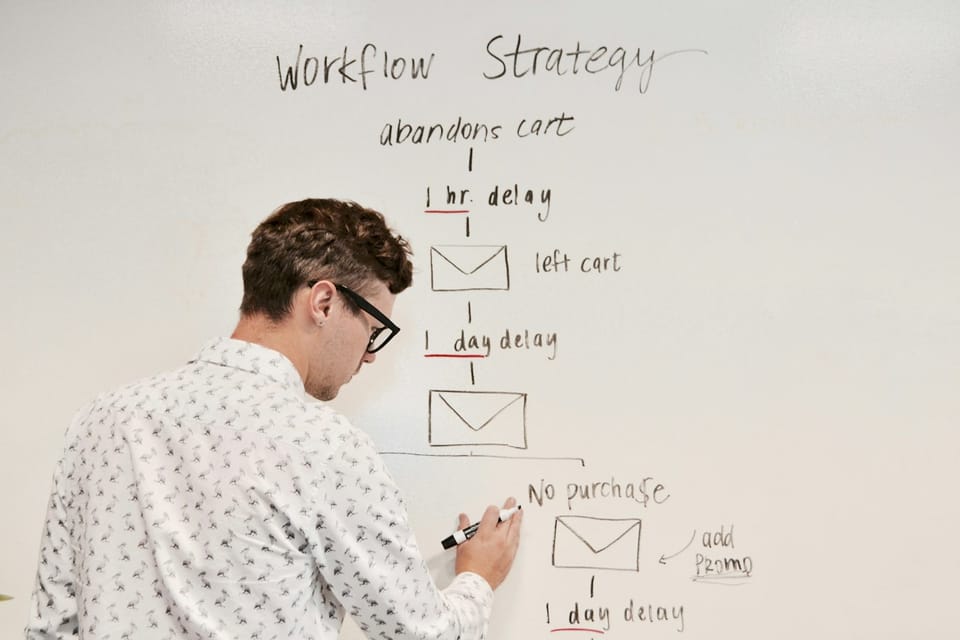
The flow only works if the copy inside it sounds human, so keep a visual of the whole journey in front of you while you write.
Maya's Candle Studio: A 90-Day Turnaround in Austin
The specifics of Maya's build are worth stealing. She had 400 orders a month and no retention flow, so she started with the two highest-volume products: the 8-ounce Amber & Cedar candle and the starter gift set.
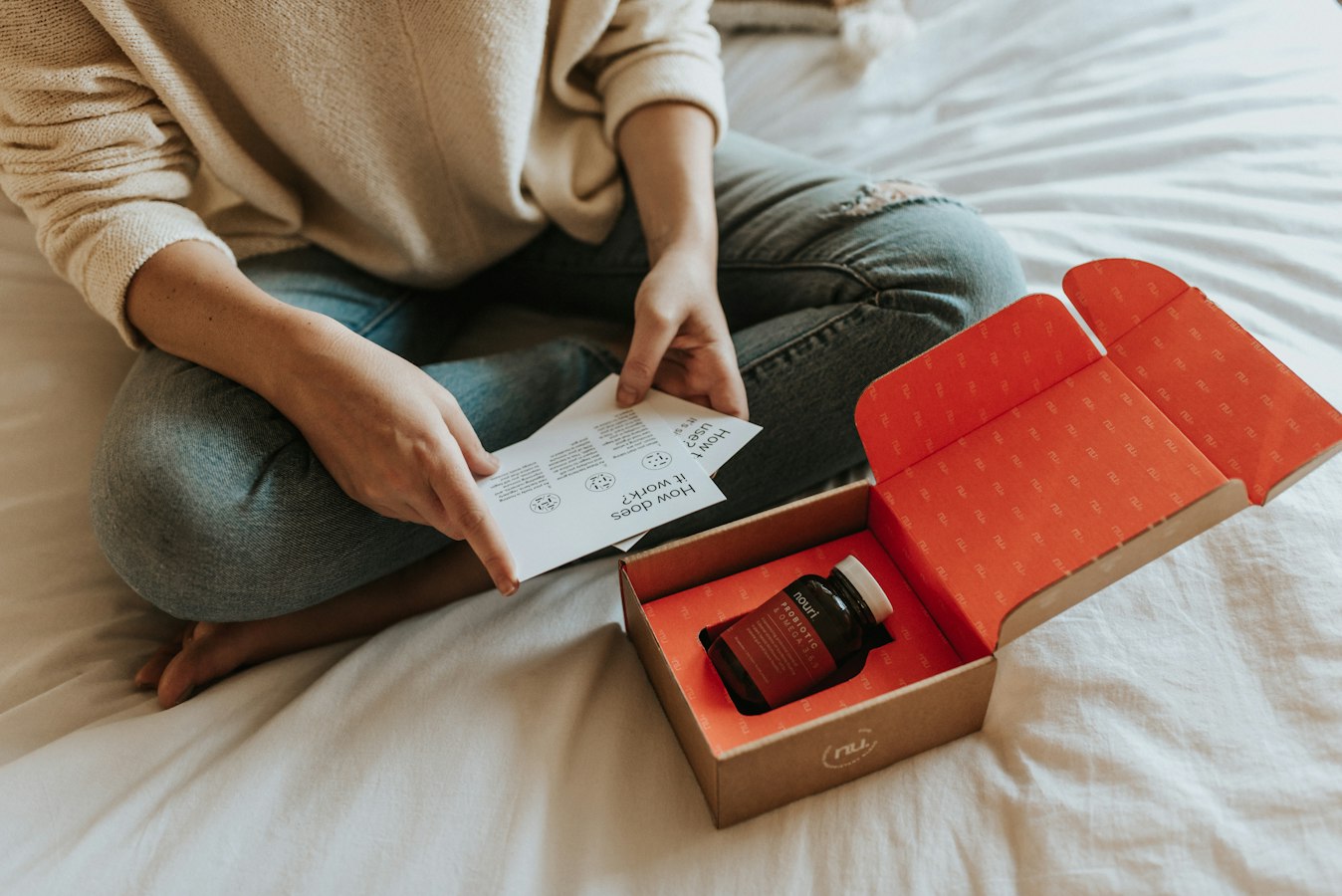
Her confirmation email kept the reassurance job and added one line of personality ("Hand-poured last Tuesday, packed with more bubble wrap than strictly necessary"). The day 3 usage guide tackled the single biggest candle complaint — tunneling — with a short burning guide. That one email cut her "my candle burned weird" support tickets noticeably within a month. The day 21 review ask offered a one-tap star rating inside the email. The day 10 cross-sell recommended the $12 wick trimmer only to people who had not already bought one, and the day 60 replenishment email timed itself to the candle's roughly 50-hour burn life.
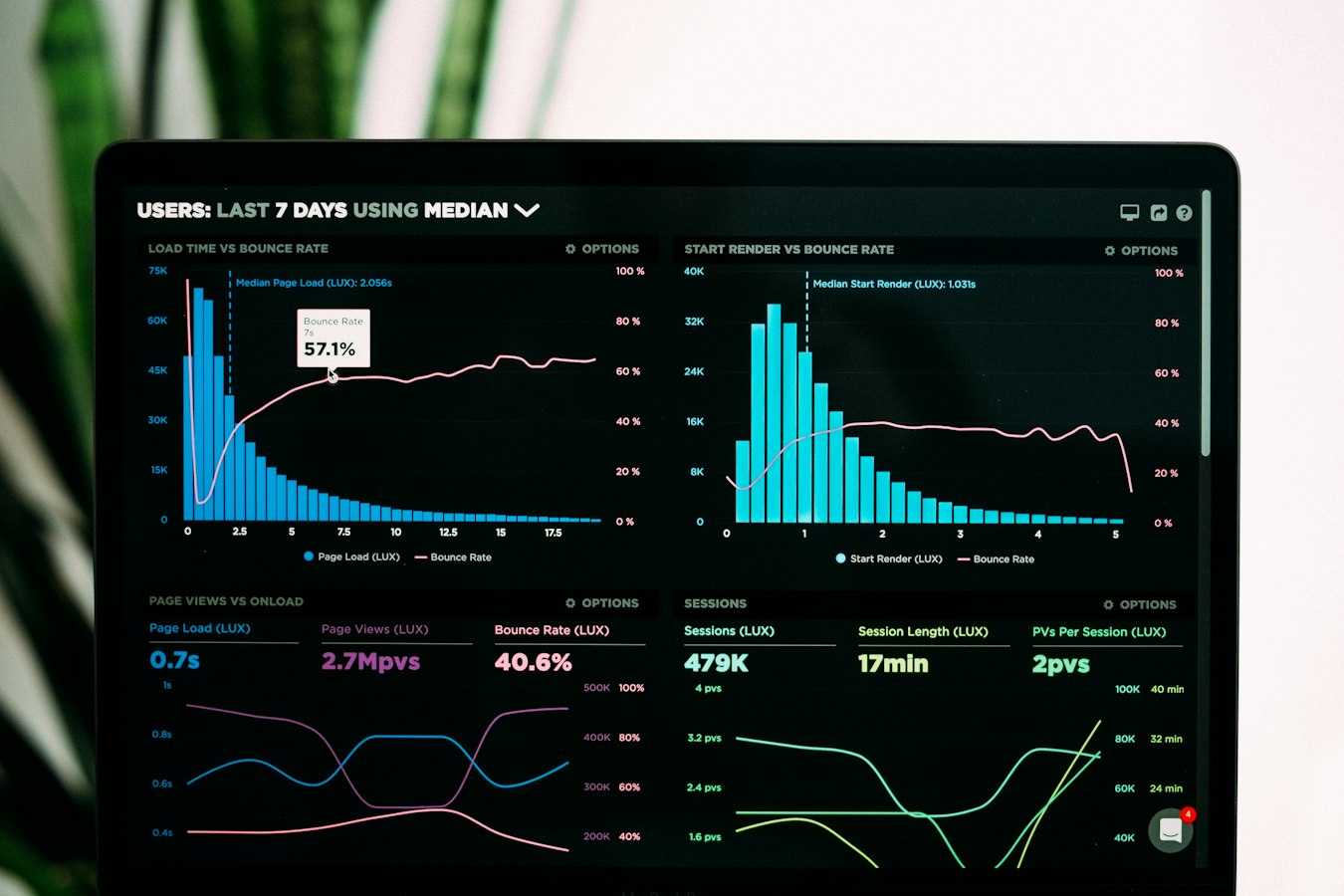
Ninety days in, the dashboard told the story: repeat purchase rate up from 11 to 19 percent, review count up from about 60 to over 340, and the wick trimmer quietly becoming her third-best-selling item despite never appearing in an ad. Her revenue per email sat well above what she paid for the entire platform. None of this required a bigger list — the same 400 monthly buyers simply became worth more.
The Verpakgigant case that Omnisend documents shows the same pattern at larger scale: after the Dutch packaging retailer automated its post-purchase review requests, Google review submissions rose by 1,500 percent. The lesson generalizes. The assets you collect in the flow — reviews, referrals, second orders — keep paying long after the send.
Where AI Genuinely Helps (and Where It Should Stay in the Back Seat)
Everything above involves writing: confirmations for different product types, care guides per category, review asks with the right tone, cross-sells that do not read as cash grabs. Multiply by every product line you carry and the workload becomes the reason most stores never build the flow at all.
That is the bottleneck AI is genuinely good at removing. A tool like ARWriter.ai can take a product description plus a one-paragraph brief and produce the full sequence — confirmation, thank-you, care guide, review ask, cross-sell — in your tone of voice, in minutes. You paste in what the product is, who buys it, and what usually goes wrong, and you get drafts you edit rather than blank pages you dread. If writing six category-specific emails per product has been the thing stopping you, that objection just evaporated; try ARWriter.ai on your two best sellers this week and judge the drafts yourself.
The same pattern of short, triggered, behavior-aware messages already powers SaaS products — our piece on building an onboarding email sequence with AI covers the same trigger-and-branch thinking from the software world, and the transfer to ecommerce is almost one-to-one. For a wider view of what else can be generated and scheduled automatically, the AI ecommerce content automation guide maps the full territory, from product pages to this exact flow.
Now the honest limits. AI drafts; you decide. Never let a model claim things about delivery dates, ingredients, or warranties you have not verified — hallucinated specifics in a transactional email are a customer service incident, not a typo. Keep a human reading every variant before it goes live, especially anything touching order status. And watch for the flattened, generic tone that unedited output drifts toward; the whole point of post-purchase email is that it sounds like a person who cares.
How Post-Purchase Messages Differ From Every Other Email You Send
Because these messages get lumped together, stores often write them all the same way. They are not the same, and treating them differently is most of the craft.
| Email type | Trigger | Primary job | Works best when | Common failure |
|---|---|---|---|---|
| Order confirmation | Checkout completes | Reassure | Instant, complete, human contact listed | Burying the order details under promotions |
| Shipping update | Carrier scans package | Set expectations | Real tracking, honest window | Vague "your order is on its way" |
| Thank-you note | Delivery + 1 day | Build affinity | Short, specific, zero selling | Turning it into a discount blast |
| Usage guide | Day 3 | Drive product success | Category-specific, one topic | Generic tips PDF nobody reads |
| Review request | Day 7–21 by category | Collect proof | One tap, product-specific ask | Asking before the product was used |
| Cross-sell | Day 10–14 | Grow order value | Complements only, curated | Twelve-product grid carpet bomb |
| Replenishment | Day 45–60 | Time the repeat | Tied to actual product lifespan | Same date for every product |
| Win-back | Day 90+ of silence | Reactivate or retire | Escalating relevance, then incentive | A single "we miss you" 20%-off blast |
Notice how much of the table is restraint. The review ask works because Emplifi's consumer research, cited by Shopify, found 65 percent of consumers are more influenced by other customers' content than by celebrity content — the ask is a trust-building tool, not a favor you are demanding. The cross-sell works because it arrives after value was delivered, not before. And everything in this table costs a fraction of what new acquisition costs; our article on AI copywriting for Meta ads in ecommerce covers the expensive side of the funnel, and the contrast in cost per order is exactly why retention emails deserve your best writer.
Mistakes That Quietly Drain Post-Purchase Revenue
Most failed flows die from one of seven wounds. Selling inside the confirmation email — the customer has paid, read the room. Asking for a review on day 2, before the product was even opened. Treating delivery as the finish line and going silent for a year. Sending the cross-sell to someone who already bought the accessory you are pitching, which is what happens when flows ignore purchase history. Using one generic timing for every product category instead of consumables at day 7 and electronics at day 21. Failing to segment — Klaviyo's own guidance stresses splitting new buyers, returning customers, and VIPs, because a fifth-order customer deserves a different note than a first. And publishing raw AI output without editing, which saves thirty minutes and costs the trust the whole flow exists to build.
Where to begin on Monday: export your last 200 orders, find the two products people buy most, and write — or generate — the seven emails for just those products. Measure repeat rate at 30, 60, and 90 days against your current baseline, then extend the flow product line by product line. If you want a head start, ARWriter can draft the confirmation, thank-you, care guide, review ask, and cross-sell for both product lines in one sitting, ready for your edits — the same way Maya produced hers in a single weekend. The bar is low out there; most of your competitors still send a receipt and disappear.
A healthy flow shows up in one place above all others: the repeat purchase line on your dashboard.
FAQ: Common Questions About Post-Purchase Emails
What does "post-purchase" actually mean?
"Post-purchase" describes everything that happens after a customer completes checkout: the confirmation, shipping and delivery updates, thank-you notes, usage guidance, review requests, and carefully timed offers. It is a stage of the customer journey rather than one email type, which is why retailers build a flow of connected messages instead of sending a single follow-up.
What is the purpose of a post-purchase email campaign?
A post-purchase campaign has four jobs: calm the natural anxiety after payment, keep the buyer informed until delivery, help them get value from the product, and earn the next order through reviews, referrals, or relevant add-ons. Done well, it quietly converts a single transaction into an ongoing relationship.
When is the best time to send the first post-purchase email?
Within minutes. The order confirmation should land while the buyer is still on your site, because two-thirds of shoppers feel anxiety right after clicking the buy button. An instant, accurate confirmation reassures them the purchase went through and visibly reduces "where is my order" support tickets.
How many emails should a post-purchase sequence include?
Most stores settle on five to seven messages spread across the first ninety days: confirmation, shipping, a thank-you with usage tips, a review request timed to the product category, one cross-sell, and a replenishment or loyalty message. Consumables justify more sends; high-consideration electronics usually justify fewer.
What makes a good post-purchase thank-you email template?
A genuine, short expression of thanks, a clear recap of what was ordered and when it ships, a human contact for questions, and one small piece of added value such as a care tip or setup video. Skip discount codes here; the thank-you earns the trust that later emails can spend.
What is the difference between a cross-sell email and a post-purchase email?
A cross-sell email is one type inside the broader post-purchase flow. Post-purchase describes the whole stage after checkout — confirmations, education, reviews, and offers — while a cross-sell specifically recommends complementary products, like suggesting a wick trimmer to a candle buyer after they have enjoyed the first burn.
What are the three post-purchase outcomes?
Every order ends one of three ways: the customer is delighted and open to buying again, the customer is disappointed and needs rescuing before they churn loudly, or the customer goes quiet and eventually lapses. A complete flow has a branch for each outcome: offers and education, service recovery, and win-back.
Should you promote products in the order confirmation email?
Keep it subtle or skip it entirely. The confirmation's job is reassurance, and pushing a sale before the package ships reads as tone-deaf. A tasteful line linking to care instructions is fine; save dedicated product recommendations for after delivery, once the customer has actually experienced what they paid for.
Last updated: October 2026