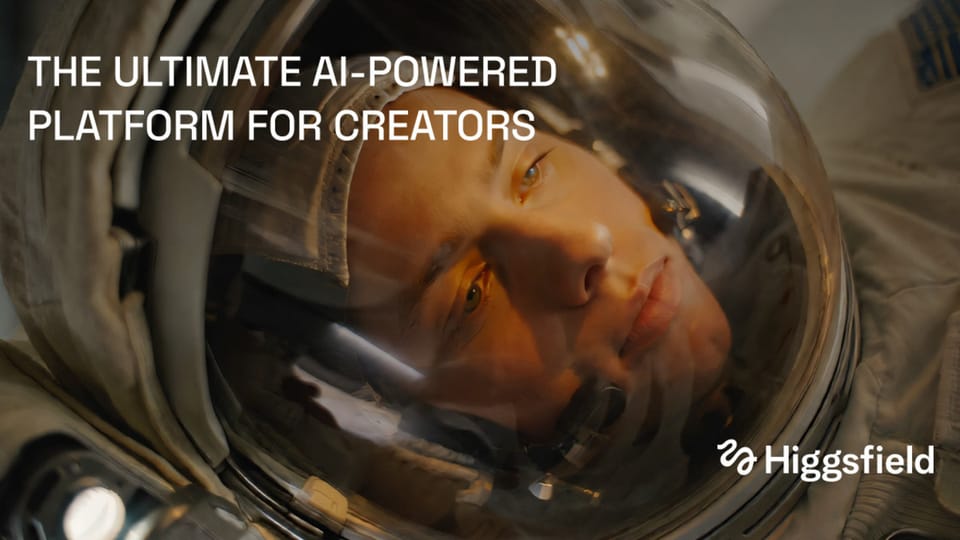
One of the loudest creator-economy stories this week wasn't about a new AI model — it was about trust. Between August 18 and 21, 2026, prominent filmmaking YouTubers Matti Haapoja and Sam "Kold" Kolder faced a wave of backlash after posting glowing videos about the AI platform Higgsfield. Neither video was labeled as an ad. Then the company itself confirmed, on the record, that both creators were paid.
The story was documented in detail by The Verge on August 21, 2026, and it holds a lesson for every creator who is fielding — or will soon field — sponsorship offers from the AI tools currently flooding marketing budgets into the creator economy.
What actually happened
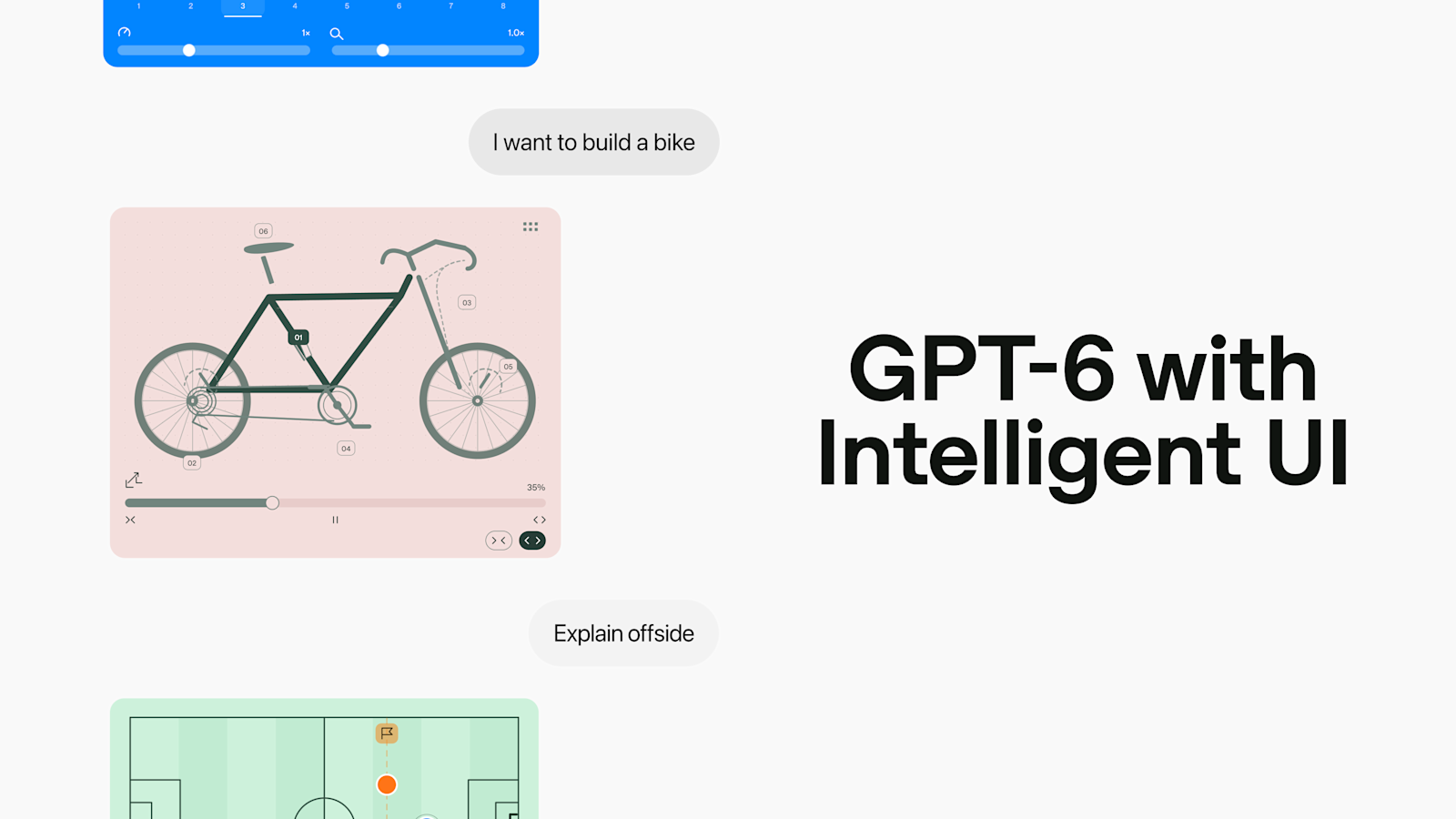
Haapoja and Kolder, two of the best-known cinematic video creators on YouTube, published videos showcasing Higgsfield, specifically its newly added Seedance 2.5 video functionality. Kolder's video carried a provocative title — "AI is replacing me" — while Haapoja produced something closer to an infomercial for "Cully Hill Boys," a feature-length film Higgsfield produced with AI-generated duplicates of other YouTubers.
The problem was not production quality; it was the missing line: "this is paid content." Neither video was marked as an advertisement, and neither creator responded to The Verge's questions about whether the videos were paid partnerships. Then came the official confirmation: Higgsfield PR manager Nuray Omarkhan told the outlet that "the creators were compensated through a negotiated combination of monetary payment and Higgsfield credits."
The audience figured it out first
The detail that turned a quiet promo into a public firestorm: viewers didn't wait for the company's admission. After the videos went up, other creators began sharing screenshots of what appeared to be partnership offers they had received from PR firms working on Higgsfield's behalf. Fans connected the dots — a coordinated campaign — and the criticism erupted. Even Marques Brownlee, YouTube's most-followed tech reviewer, publicly pushed back on Haapoja's analogy comparing generative AI to the iconic Canon EOS 5D Mark II, arguing the crucial difference is that gen AI is "trained on real human-made material without any credit" to the people who made it.
The fallout hit the two creators differently. Haapoja's Threads post drew heavy criticism from peers and fans who considered him one of their own, while Kolder's YouTube comments were more mixed — genuine admiration for the technical execution alongside blunt worry about the message "AI is coming to take our place."
Why this matters to you as a creator
- The AI sponsorship season has started for real. AI tool companies are pushing large influencer budgets, and offers will reach you if they haven't already. The money can be tempting — the hidden cost is audience trust if the funding stays hidden too.
- Your audience now investigates. Circulated offer screenshots proved that viewers trade intelligence about paid campaigns and expose them on their own. Concealment isn't a safe option even where a platform technically lets you get away with it.
- Disclosure protects the artistic work. Kolder directed a genuinely inventive piece on top of Higgsfield's technology — but one missing disclosure line shifted the entire conversation from craft to ethics. That's a double loss.
- Trust compounds; scandals compound faster. A clearly disclosed sponsorship is accepted and even respected. A concealed one can undo years of credibility in a week — and the brand pays a reputational price alongside you.
Quick comparison: disclosed vs. undisclosed sponsorships
| Dimension | Clearly disclosed | Concealed |
|---|---|---|
| Audience trust | Preserved and often strengthened | Collapses on exposure — and exposure is a matter of time |
| Marketing value for the brand | Slower but durable | A spike, then a backlash that hits the brand too |
| Creator's professional standing | A trusted partner future brands want | A risk to the whole career track |
Practical rules before accepting any AI-tool sponsorship
- Get the deal in writing: what exactly is paid, and are you restricted from mentioning the tool's weaknesses? The answers tell you whether it's a partnership or a script.
- Disclose in the video itself from the first seconds — not only in the description box. Viewers watch and listen; a fraction ever opens the description.
- Actually use the tool before promoting it. Your honest opinion is the asset; selling what you don't use is selling your credibility.
- Say what you didn't like. "Great at X, weak at Y" reviews convert better and survive scrutiny better than praise alone.
- Remember disclosure isn't a marketing weakness — modern audiences accept transparent advertising and reject only deception.
The same logic applies to written content, by the way. If AI assists your publishing workflow, transparency with your audience and a real human review before publishing are what keep your byline trustworthy. Tools like ARWriter are built for that model — AI as the production assistant, your judgment and voice as the public face.
The bigger picture: an AI money race in creator content
Higgsfield's episode is a sample of a whole season, not an isolated incident. AI companies compete for creators' audiences as the fastest marketing channel to the general public — and we've covered how open video tools like LTX-2.5 and models like MiniMax H3 are becoming daily production tools. The hotter the promotion race gets, the higher the premium on transparent creators — and the lower the survival odds of concealed deals.
There is a second layer that concerns audiences directly: the debate Brownlee opened about models trained on human-made work "without any credit" is the same debate facing every creator using generative tools, from images to text to video. The answers aren't final, legally or professionally. But the direction audience behavior is setting is unmistakable: appreciation flows to those who add on top of what the machine produces; rejection follows those who pass machine output through untouched and quietly pocket the fee.
Two fast lessons for anyone building a channel today
Lesson one — a disclosure line is cheaper than a trust audit. One second at the top of a video protects years of audience-building. Brands already understand this; the coming resistance will come from creators, not advertisers.
Lesson two — keep unpaid experiment space. When you try a new tool on your own dime, you own the freedom to tell the whole truth — and that freedom is exactly what makes your paid reviews believable later. A healthy channel balances both.
What remains unproven — honest limits
- Intent is unresolved. Neither creator has issued a statement explaining the missing label, and the company spoke about "compensation" without detailing contract terms.
- Campaign size is unknown. The shared offer screenshots suggest a broader campaign, but there is no official figure on how many creators were targeted.
- No platform penalty announced. As of this writing, YouTube has announced no action against the videos; disclosure rules are typically enforced reactively after reports.
Frequently asked questions
What is the Higgsfield creator backlash about?
Two prominent filmmaking YouTubers posted admiring videos about Higgsfield's new Seedance 2.5 video functionality without ad labels; the company then confirmed on the record that both were compensated with money and platform credits, triggering wide audience criticism between August 18 and 21, 2026.
Did Higgsfield actually pay the YouTubers?
Yes — confirmed by Higgsfield's PR manager in a statement to The Verge: creators were "compensated through a negotiated combination of monetary payment and Higgsfield credits."
What is Seedance 2.5?
A recently added video-generation capability inside Higgsfield's AI creative platform. Both controversial videos were built on it — Kolder's, for instance, blends real footage of himself with generated sci-fi scenes.
Do creators legally have to disclose paid AI sponsorships?
Most major platforms, YouTube included, provide mandatory disclosure tools and labels for paid content, and consumer-protection rules in many markets treat hiding material sponsorship as deceptive advertising. Clear disclosure is the safe standard everywhere.
How do I take an AI tool sponsorship without losing my audience?
Disclose inside the video itself from the start, genuinely use the tool, honestly cover its weaknesses alongside strengths, and put contract terms in writing. Audiences accept transparent ads and forgive honest criticism — they don't forgive deception.
The bottom line: smart money is flowing to creators faster than ever, and trust is now the only currency that decides who is still standing when the season ends. The rule of the week is simple and battle-tested: disclose what you're paid for, and you own your story — hide it, and your audience will write it for you.