Last updated: July 2026 — This is a dated explainer on the GPT-5.6 family after general availability on 9 July 2026 and the 30 July 2026 Luna/Terra price cuts. It is not framed as breaking news from today.
GPT-5.6 Sol, Terra, and Luna restructure how content teams should spend money on intelligence. OpenAI launched the family for general availability on 9 July 2026, then on 30 July 2026 cut API prices for Luna by 80% and Terra by 20%, with those lower rates also reflected in how usage is counted in Codex and ChatGPT Work. If you write, design, schedule, or ship content at volume, the practical question is not “is Sol smart?” — it is which tier belongs on which step of your pipeline.
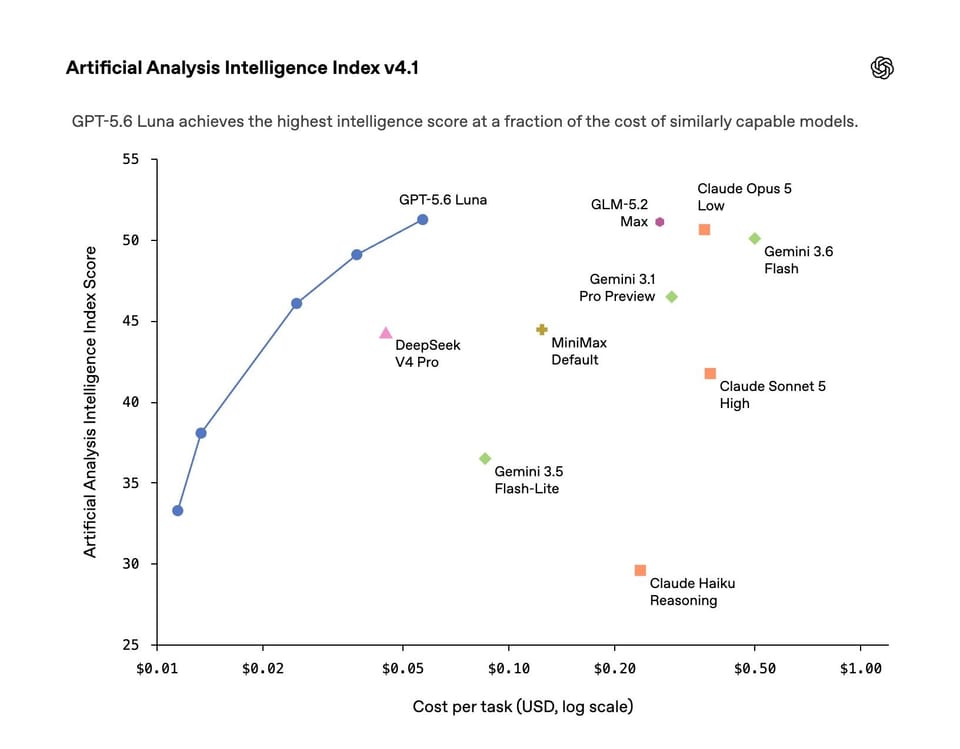
Source: official OpenAI post on X, 30 July 2026.
What GPT-5.6 actually is (Sol, Terra, Luna)
OpenAI’s naming is intentional: the number marks the generation; Sol, Terra, and Luna are durable capability tiers that can advance on their own cadence. For creators and marketing ops teams, that maps cleanly to workflow design.
- Sol — flagship. Best for hard planning, multi-step research, polished decks, design judgment, and “inspect the rendered result” computer-use loops. API pricing stays $5 input / $30 output per 1M tokens.
- Terra — balanced everyday production. Strong default for articles, rewrites, briefs, and mid-complexity social packages. After 30 July: $2 / $12 (was $2.50 / $15).
- Luna — fastest/most affordable tier for high-volume work: drafts at scale, classification, multi-step tool workflows where unit economics matter. After 30 July: $0.20 / $1.20 (was $1 / $6).
Per OpenAI’s availability notes: Free and Go users can access Terra in ChatGPT Work and Codex; Plus, Pro, Business, and Enterprise users can choose Terra and Luna. Subscription prices and quota budgets were not cut — Luna/Terra simply consume fewer credits when you use them inside those products.
What changed on 30 July 2026
Verified against OpenAI’s own product post and the official X thread:
- Luna API price −80%; Terra −20%.
- Those lower prices flow into usage accounting for Codex and ChatGPT Work.
- Fast mode for Sol in the API: up to 2.5× Standard speed at 2× Standard price, same intelligence. It replaces Priority Processing;
priority-tagged requests map to Fast mode. - Auto-review in the ChatGPT app and Codex CLI moves from GPT-5.4 to GPT-5.6 Luna, with OpenAI expecting roughly 10× lower cost for that path.
AWS Bedrock published matching on-demand cuts the same day for Luna and Terra. Always re-check live pricing pages before you lock a client retainer model.
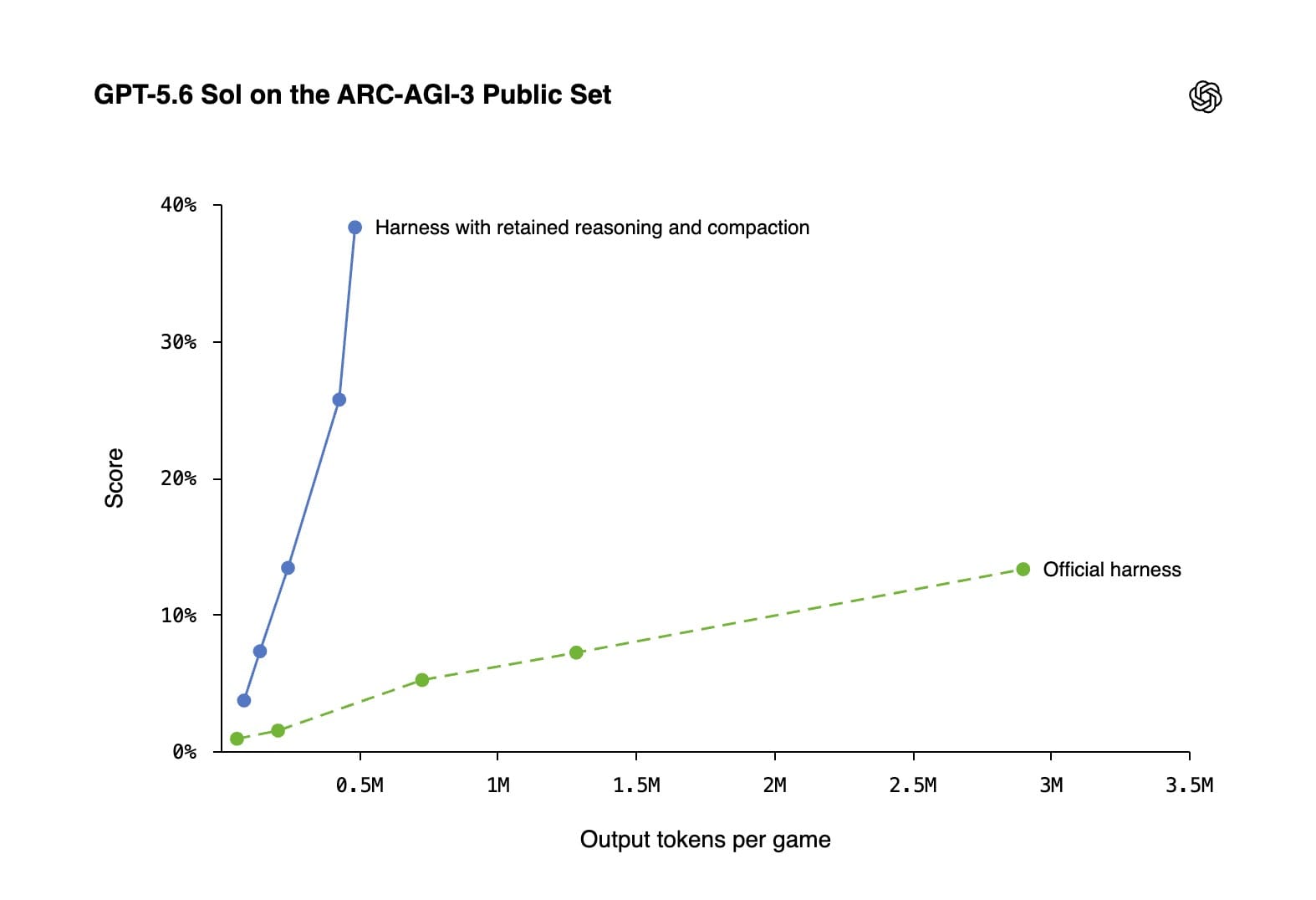
OpenAI’s efficiency narrative (kernel and decoding gains) is the stated reason customer prices moved.
What this means for content creators and marketing teams
1) Pipeline design beats “one model forever”
A durable pattern after the cut:
- Sol or Terra for strategy: angles, outlines, message architecture, brand constraints.
- Luna for volume: 20–200 variants, product copy batches, first-pass localization scaffolding, social permutations.
- Terra/Sol + human editor for publish-ready quality on the pieces that touch revenue or reputation.
Before 30 July, step 2 was often the line item that made agencies stick to manual drafting. At $0.20/$1.20, Luna is cheap enough that generating three options per asset becomes normal, not extravagant.
2) Decks, docs, and design polish
OpenAI’s GA materials emphasize Sol’s gains on presentations, documents, and spreadsheets — including following a reference deck’s design system (layout, type, spacing, master-slide rules). For freelancers shipping client pitches, that is a direct time saver on the “make it look like our brand kit” pass.
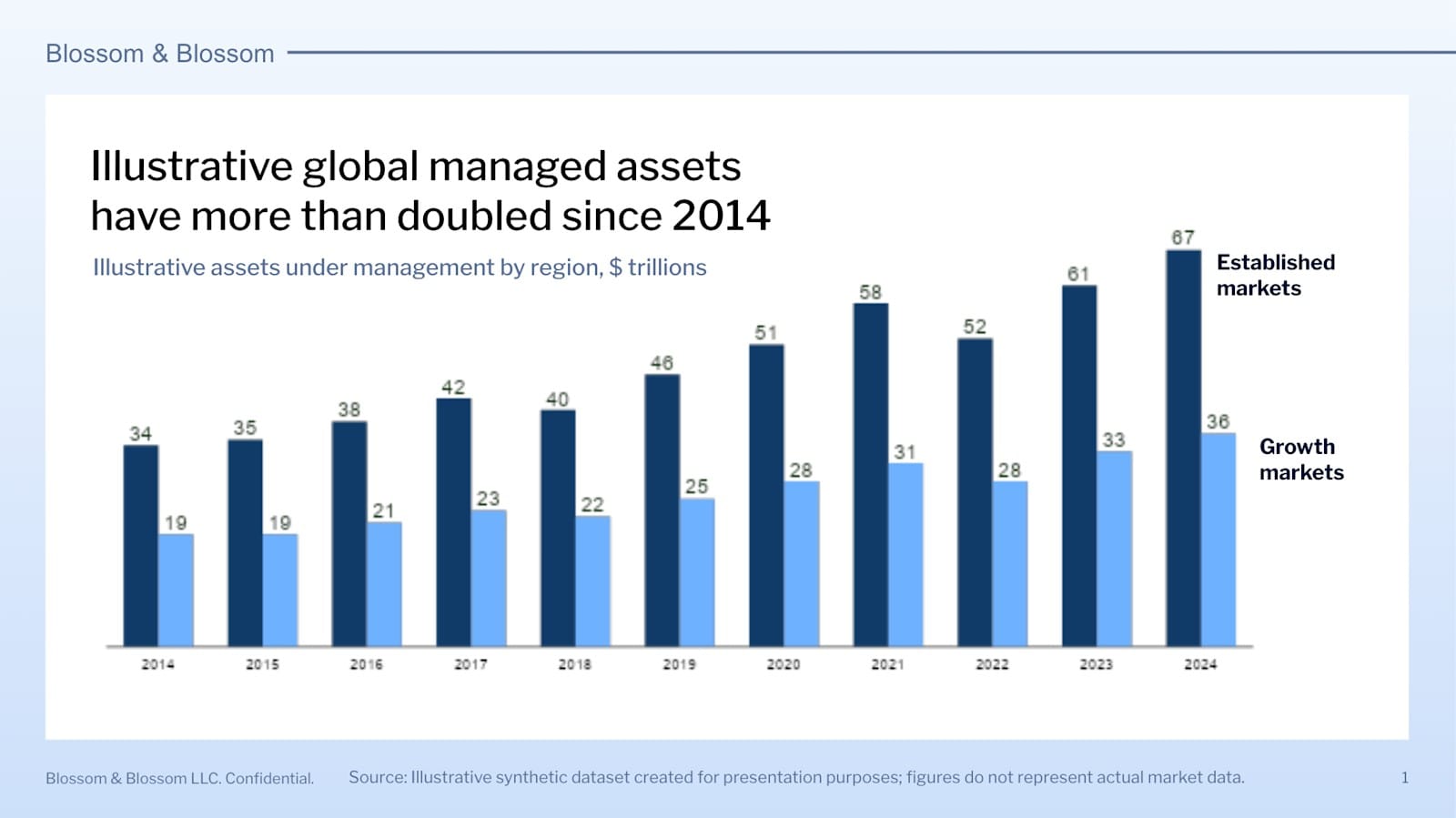
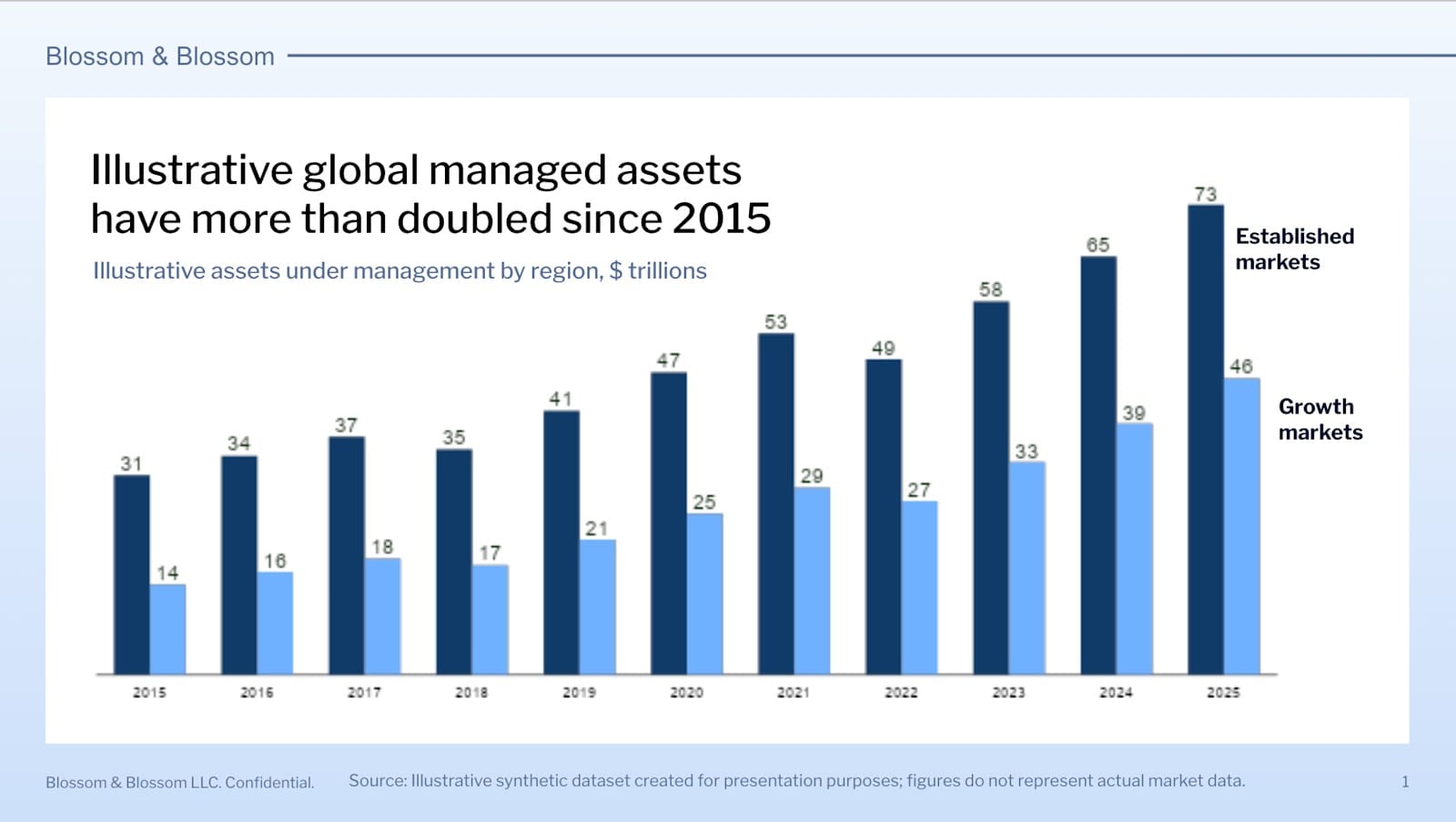
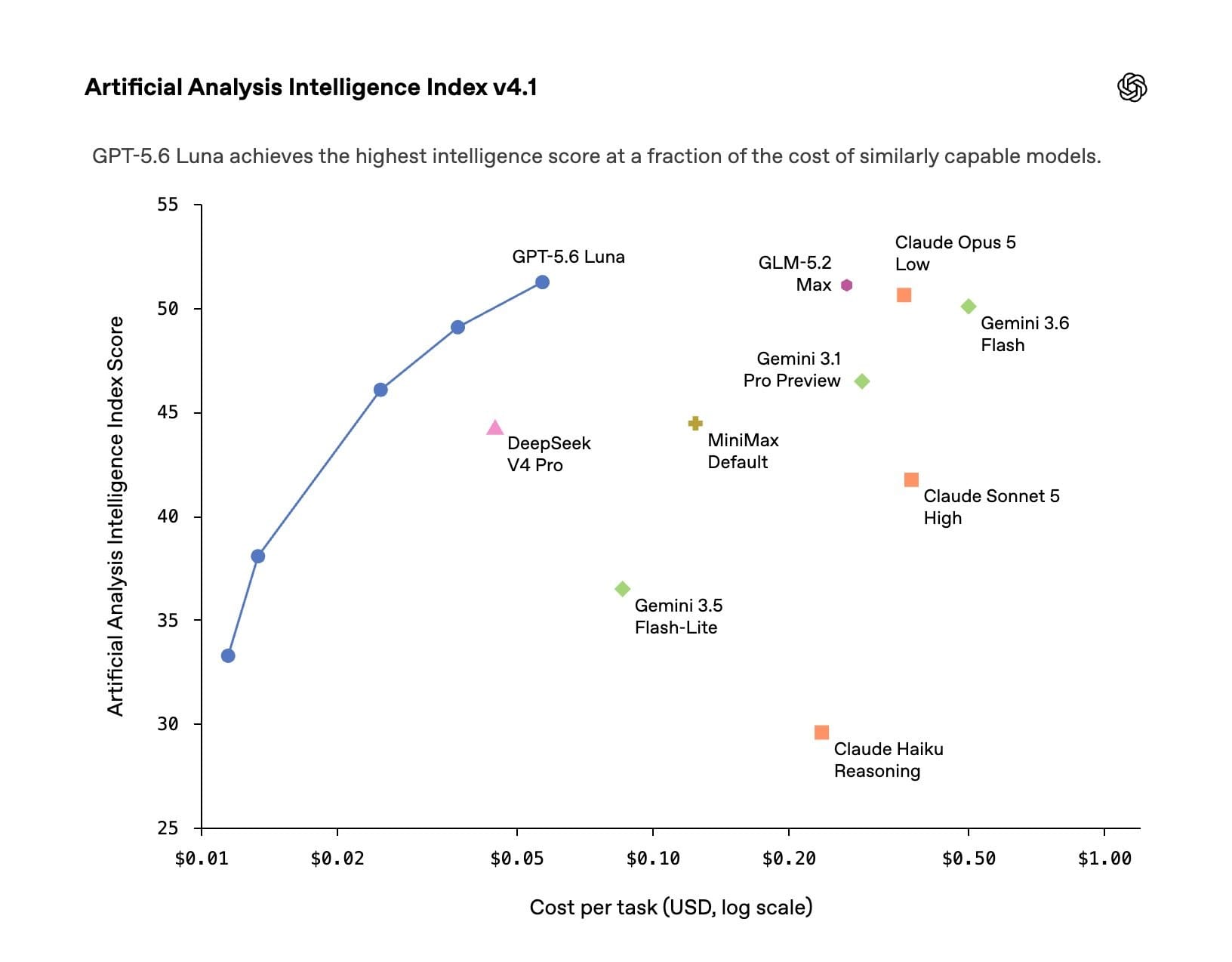
Official visuals from OpenAI’s GPT-5.6 launch page (style-matching example).
3) Scheduling and social ops
The model cut does not change Instagram or LinkedIn ranking. It changes how many on-brand drafts you can afford before you pick winners and queue them. Pair generation with a real calendar — not a folder of abandoned drafts. If you need a bilingual Arabic-first production desk with prompts and tools in one place, that is the product problem ArWriter is built for, including Auto-Writer and the prompt library.
4) International teams, multi-market copy
US/EU/SEA teams running Shopify catalogs or multi-brand social calendars should measure cost per approved asset, not vanity token rates. Luna’s new price moves that metric most for SKU-heavy catalogs and always-on social.
Mid-article note: if your bottleneck is shipping consistent multi-platform copy without babysitting five SaaS tabs, try ArWriter — plans start at $4.99/month (Plus), with Pro at $9.99 and Premium at $24.99 when you need heavier automation.
Quick comparison table for real workflows
| Job | Default tier | Why | API economics (post-30 July) |
|---|---|---|---|
| Monthly content strategy | Sol or Terra | Judgment-heavy | Sol $5/$30; Terra $2/$12 |
| 200 product descriptions | Luna | Volume | $0.20/$1.20 |
| Flagship long-form article | Terra + human edit | Balance | $2/$12 |
| Client pitch deck | Sol | Design + structure | $5/$30; optional Fast mode 2× |
| Auto-review loops | Luna (per OpenAI) | Upgraded from 5.4 | ~10× cheaper path claimed for that feature |
| Daily bilingual desk without DIY ops | ArWriter stack | Productized workflow | SaaS from $4.99/mo |
Related reading on this site: 12 free ChatGPT alternatives, What is Claude AI (2026), and Create AI images with Gemini and ChatGPT.
Honest limits (not a press release)
- Sol did not get cheaper. If everything defaults to Sol, the July cut will not save you.
- Luna is not a substitute for editorial responsibility. Cheap drafts still ship brand risk if nobody reviews claims, compliance, or tone.
- Fast mode trades money for latency, not IQ. Use it for deadlines; do not leave it on for batch jobs that can wait.
- Subscription sticker prices did not drop. Credit efficiency improved for Luna/Terra usage inside Work/Codex — verify in your usage dashboard.
- Pricing can move again. Build client quotes with a review clause; do not freeze 30 July rates for a year without monitoring.
- Competitors keep shipping. Claude, Gemini, and specialist design/video tools may win specific jobs even when GPT-5.6 wins others.
A practical week-one playbook
- Inventory recurring jobs (outline, draft, rewrite, deck, classify, review).
- Assign a default tier to each job; ban Sol for pure volume tasks.
- Turn on usage export or weekly billing alerts on the API project.
- For one catalog or one client, run A/B: old single-model flow vs Sol→Luna→human. Measure time-to-approve and revision rounds.
- Store brand rules as reusable prompts (voice, banned claims, CTA patterns). Models change; systems compound. The ArWriter prompt library is one way to productize that.
- Only then connect generation to scheduling tools so volume becomes published work, not digital landfill.
Worked scenarios
Boutique social agency (8–15 clients)
Generate three caption/visual brief variants per post with Luna, shortlist in a stand-up, polish winners on Terra, reserve Sol for campaign concepts and client-facing strategy memos. The July cut primarily improves step one unit economics.
Shopify brand with 1,000 SKUs
Luna for bulk attributes and descriptions; Terra for collection-level storytelling; human review on top sellers and regulated categories. Track cost per 100 SKUs before vs after 30 July.
Solo consultant
Sol for proposals and decks; Terra for newsletter essays; Luna for research dumps and transcript cleanup. Stop using frontier settings to rewrite email subjects.
How this compares with tools creators already use
| Stack | Creator strength | Friction | Best fit |
|---|---|---|---|
| ChatGPT GPT-5.6 family | Tiered intelligence + stronger deck/doc polish | Ops complexity; Sol cost | Strategy + mixed pipelines |
| Claude | Long coherent prose | Different limits/pricing | Long-form narrative |
| Gemini ecosystem | Workspace + image/video lanes | Feature surface changes often | Visual-heavy teams on Google |
| ArWriter | Arabic-first + tools + scheduling angle | Not a frontier lab | Daily production desk, bilingual ops |
Frequently Asked Questions
What is the difference between GPT-5.6 Sol, Terra, and Luna?
Sol is the flagship for hard work and polish, Terra is the balanced everyday tier, and Luna is the cost-efficient high-volume tier. On 30 July 2026 OpenAI cut Luna 80% and Terra 20% in the API.
Did ChatGPT Plus get cheaper because of GPT-5.6?
OpenAI said subscription prices and quota budgets stay the same; Luna and Terra usage now burns fewer credits inside Codex and ChatGPT Work. Check your usage UI for the real effect.
When should I use Fast mode on Sol?
When latency matters more than spend — live workshops, same-day client decks. You pay about 2× Standard for up to 2.5× speed with no intelligence change claimed.
Is GPT-5.6 enough for a full content team?
It can power generation and review loops, but teams still need brand rules, human approval, and a publishing calendar. Models do not replace editorial standards.
Should small agencies use the API or just ChatGPT?
ChatGPT is enough for manual desks. The API wins when you automate catalogs, connect internal tools, or need programmatic batching — and the Luna cut makes that path more viable.
What changed for Auto-review?
OpenAI is upgrading Auto-review to GPT-5.6 Luna and expects roughly 10× lower cost for that agentic review path in ChatGPT and Codex CLI.
Are Bedrock prices aligned?
AWS announced matching on-demand reductions for Luna (80%) and Terra (20%) on 30 July 2026; confirm current Bedrock tables before migration math.
How do I avoid bill shock?
Default volume jobs to Luna, cap monthly project budgets, log cost per asset type for two weeks, and keep Sol behind an explicit “premium client / hard problem” rule.
What to do next
Treat GPT-5.6 as a pricing architecture for intelligence, not a single chat upgrade. The 9 July launch gave you three tiers; the 30 July cut made the volume tier honest for production calendars. Map tasks to Sol/Terra/Luna, measure cost per approved asset, and keep a human in the loop on anything public. If you want a productized path to write and ship without building the whole pipeline yourself, start at app.arwriterai.com, explore tools, or browse the store.
Sources
- OpenAI — GPT-5.6 launch post (9 July 2026; price-cut update 30 July)
- OpenAI — Advancing the price-performance frontier with GPT-5.6 (30 July 2026)
- OpenAI on X — Luna/Terra price reduction thread
- AWS — Bedrock price reductions for GPT-5.6 models
- OpenAI Help Center — Model Release Notes
API pricing math for creators (illustrative)
Suppose you generate 100 product descriptions. Each uses ~400 input tokens (prompt + attributes) and ~300 output tokens:
- Input: 100 × 400 = 40,000 tokens ≈ 0.04M × $0.20 = $0.008 on new Luna
- Output: 100 × 300 = 30,000 tokens ≈ 0.03M × $1.20 = $0.036
- Batch total on Luna: well under a dime. The same volume on Sol would be a different budget conversation entirely.
Long articles with large brand context still look cheap per single successful generation — the real bill is retries, tool loops, and unattended agents. That is why a written policy (Luna for volume, Terra for daily publish, Sol for premium) beats obsessing over one-off token receipts.
If your team ships ~2,000 assets per month, the Luna cut can free real API budget for more variants and QA passes. Put the delta in an internal dashboard for August vs early July, not in a vague “AI got cheaper” slide.
Common mistakes after the tier rename
- Defaulting every internal tool to Sol “just in case.”
- Publishing Luna drafts without a sampled human review.
- Confusing ChatGPT subscription sticker prices with API unit economics when quoting clients.
- Leaving legacy priority flags on so Fast mode charges surprise 2× Sol rates.
- Skipping a brand-voice spec, then blaming the model for inconsistency.
- Marketing OpenAI’s benchmark charts as if they were your niche’s quality guarantee.
Fix it with a one-page ops policy: job type → tier → max retries → approver. Models churn; policy compounds.
What to watch next
- Whether your ChatGPT UI exposes Sol/Terra/Luna explicitly or only via routing.
- Whether Work/Codex usage meters move in line with “credits go further.”
- Whether API list prices move again — if they do, update this page rather than publishing a duplicate URL.
Until then, anchor decisions on 9 July 2026 (GA) and 30 July 2026 (volume-tier repricing) and keep your content calendar honest about both dates.
Implementation notes for agencies quoting clients in August 2026
When you reprice retainers after the Luna and Terra cuts, separate three lines on the estimate: generation compute, human editing hours, and platform tooling (scheduling, asset storage, approvals). Clients often hear “AI is cheaper now” and expect the whole invoice to drop 80%. That is not how production works. The compute line may fall sharply on volume jobs; editing and account management do not. Document the split so procurement conversations stay grounded.
Also version your prompts the way you version creative: prompt_id, date, tier, sample outputs. If OpenAI ships another efficiency pass, you will know whether quality drift came from the model tier or from an untracked prompt edit inside your team’s shared workspace.