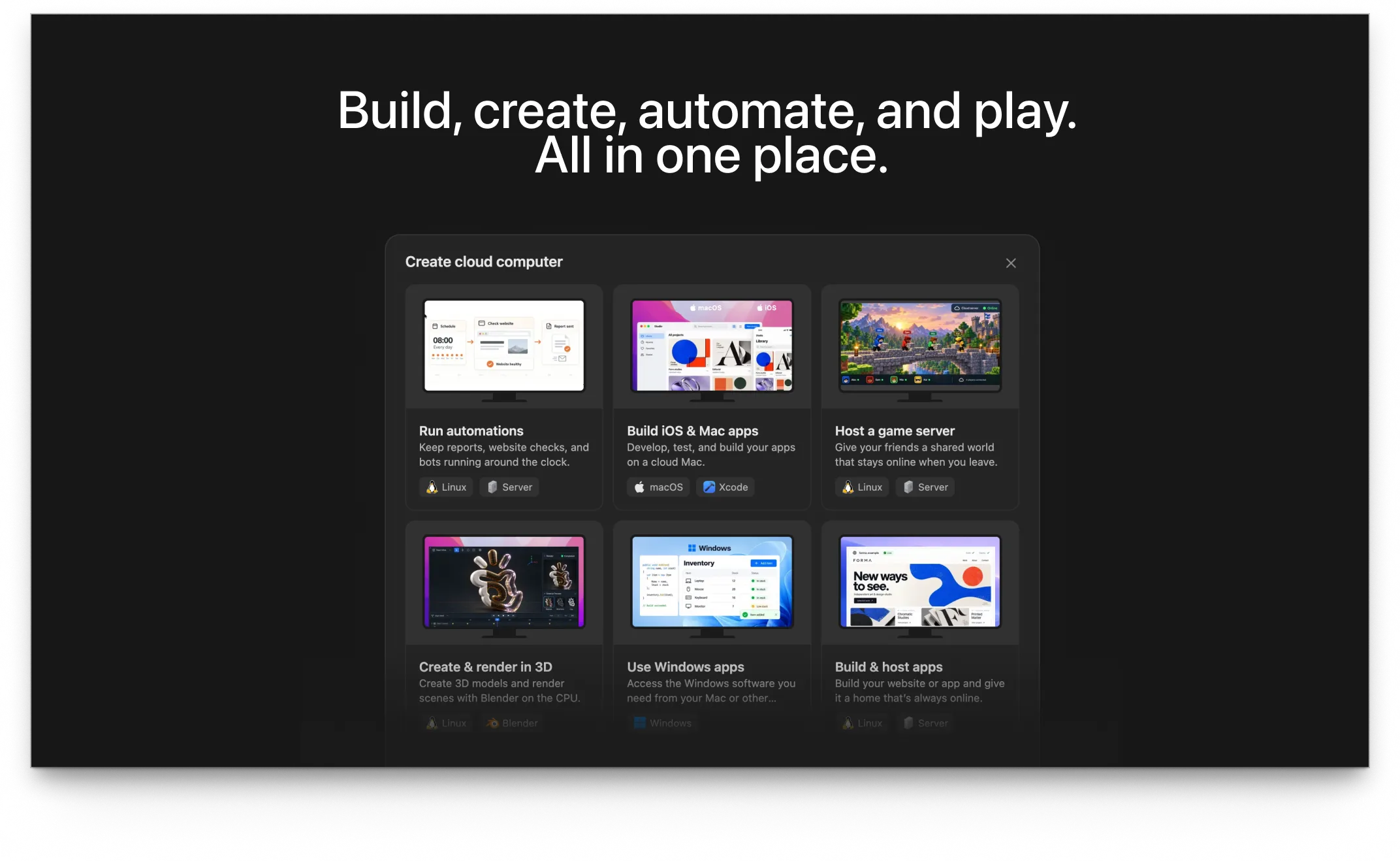
Hostinger Cloud Hosting Review: When Is It Time to Upgrade in 2026?
💬 Disclosure: Some links in this article are affiliate links. We may earn a small commission at no extra cost to you if you purchase through them. This helps us keep our content free.
Last updated: July 2026
Every growing website eventually hits a breaking point. You start with affordable shared hosting, but as your traffic surges and your business expands globally, your site suddenly slows down or crashes during peak hours. This is the exact moment you need to consider an upgrade. The global cloud hosting market is expected to reach $183 billion by 2027, and for good reason: modern businesses require dedicated resources to survive. If you run an international WooCommerce store or a high-traffic SaaS site, staying on shared hosting is a massive liability. In fact, downtime costs small businesses an average of $427 per minute.
Hostinger Cloud Hosting bridges the gap between basic shared hosting and expensive, complex dedicated servers. It provides you with dedicated resources, a dedicated IP address, and high-performance infrastructure capable of handling massive traffic spikes. If your site is exceeding 50,000 monthly visitors or experiencing CPU throttling, upgrading to Hostinger Cloud is the logical next step to ensure reliable performance.
What is Hostinger Cloud Hosting?
Hostinger Cloud Hosting is a powerful web hosting solution that combines the simplicity of shared hosting with the raw power of a Virtual Private Server (VPS). Unlike shared hosting, where hundreds of websites fight for the same server resources, cloud hosting provides you with dedicated CPU cores and RAM limits. This means your website's performance is isolated; if another site on the network experiences a traffic spike, your site remains entirely unaffected. It offers the perfect environment for website scaling without requiring you to learn complex server administration.
Step-by-Step Guide: How to Migrate to Hostinger Cloud
Upgrading to Hostinger Cloud is remarkably seamless, especially if you are already a Hostinger customer. Here is how to handle the transition:
- Assess Your Needs: Review your current traffic and resource usage in your hPanel to determine if you need the Startup, Professional, or Enterprise cloud plan.
- Purchase the Cloud Plan: Select your desired Hostinger Cloud plan from the dashboard.
- Request the Upgrade (Internal): If you are already on Hostinger shared hosting, the upgrade is instantaneous. You click "Upgrade," and the system seamlessly allocates your new dedicated resources with zero downtime.
- External Migration: If you are migrating from another host, use Hostinger's free automated migration tool. Simply enter your WordPress credentials, and the tool will transfer your files to the cloud server.
- Verify the Dedicated IP: Once migrated, confirm that your new dedicated IP is active, which will help improve your email deliverability and overall SEO.
Hostinger Cloud Plans: Traffic Benchmarks and Limits
| Cloud Plan | RAM Limit | CPU Cores | Storage | Traffic Benchmark (Est.) | Best For |
|---|---|---|---|---|---|
| Cloud Startup | 3 GB | 2 Cores | 200 GB NVMe | Up to 100,000 visits/mo | Growing blogs, small stores |
| Cloud Professional | 6 GB | 4 Cores | 250 GB NVMe | Up to 200,000 visits/mo | Active eCommerce, scaling SaaS |
| Cloud Enterprise | 12 GB | 6 Cores | 300 GB NVMe | Up to 300,000+ visits/mo | Large international businesses |
Note: Hostinger Cloud offers up to 4x more speed and a dedicated IP compared to their standard shared plans.
5 Warning Signs Your Site Has Outgrown Shared Hosting
A common mistake business owners make is waiting for their website to completely crash before upgrading to cloud hosting. Here are five clear signs you need to upgrade immediately:
- Frequent 503 Service Unavailable Errors: This means your server is completely out of resources and cannot handle current visitor requests.
- CPU Throttling Alerts: If your host warns you that you are hitting your CPU limits or entry processes, your site is being artificially slowed down.
- Slow Backend Performance: Is your WordPress admin dashboard crawling? That is a classic sign of insufficient RAM.
- Traffic Spikes Cause Downtime: If a viral social media post or an email newsletter blast takes your site offline, you desperately need cloud hosting.
- Cart Abandonment is Rising: 40% of users abandon a website that takes more than 3 seconds to load. If your checkout is slow, you are actively losing money.
Secure Your Website's Future Today
Don't let a slow website throttle your business growth. If you are hitting your limits, it is time to scale. Upgrade to Hostinger Cloud Hosting today and secure the dedicated resources your traffic demands.
eCommerce Impact: How Cloud Hosting Saves Sales
For international WooCommerce stores, speed is revenue. Sites loading in 1 second have a 2.5x higher conversion rate than those in 5 seconds. Shared hosting caches static content well, but eCommerce sites require dynamic processing (cart updates, user logins, payment processing) that bypasses the cache. This dynamic processing relies entirely on dedicated CPU and RAM. Hostinger Cloud provides the dedicated horsepower necessary to process dozens of concurrent checkouts without lag, effectively reducing cart abandonment and increasing your bottom line.
The Hidden Architecture: CloudLinux and LVE Limits Explained
To understand why cloud hosting is superior, you must understand CloudLinux and LVE limits. On shared hosting, your site is restricted by strict LVE (Lightweight Virtual Environment) limits—such as physical memory, entry processes, and I/O usage—to protect the server from crashing. When you hit these limits, your site slows to a crawl. Hostinger Cloud drastically increases these LVE ceilings. Instead of sharing a fraction of a CPU, you get full access to dedicated virtual cores. This hidden architecture is the secret to maintaining stability during massive traffic surges.
Frequently Asked Questions
What is Hostinger Cloud hosting?
Hostinger Cloud hosting is a premium web hosting solution that provides dedicated server resources (RAM, CPU) within a fully managed, isolated environment. It offers the power and reliability of a VPS with the easy-to-use hPanel interface of shared hosting.
Is Hostinger Cloud better than shared hosting?
Yes, it is significantly better for high-traffic sites. It provides isolated resources, a dedicated IP, and better security, ensuring your site remains extremely fast and stable even during massive traffic spikes.
How many visitors can Hostinger Cloud handle?
Depending on the plan and how well your site is optimized, Hostinger Cloud Startup can handle around 100,000 monthly visits, while the Cloud Enterprise plan can comfortably manage over 300,000 monthly visits.
When should I upgrade to Cloud hosting?
You should upgrade when your site consistently exceeds 50,000 monthly visitors, when you experience frequent 503 errors, or when you are running a resource-heavy eCommerce store that relies on fast dynamic processing.
Does Hostinger Cloud have a dedicated IP?
Yes, all Hostinger Cloud plans come with a free dedicated IP address. A dedicated IP improves email deliverability by 15% and protects your site's reputation from bad actors sharing the same IP on a shared server.
Is cloud hosting good for eCommerce?
Absolutely. Cloud hosting is the ideal environment for eCommerce platforms like WooCommerce. The dedicated RAM and CPU ensure fast checkout processes and prevent the site from crashing during seasonal sales events.
What are the limits of Hostinger Cloud Startup?
The Cloud Startup plan is limited to 3 GB of RAM, 2 CPU cores, and 200 GB of NVMe storage. It is an excellent entry point, but high-volume stores may need the Professional plan. Learn more in our Hostinger pricing first-year deal guide.
How do I migrate to Hostinger Cloud?
If you are already with Hostinger, the upgrade is a one-click process from your dashboard with absolutely no downtime. If you are moving from another host, you can use Hostinger's free automated migration tool to move your files seamlessly.
Conclusion
Scaling your website shouldn't involve constant anxiety over downtime or slow page loads. Upgrading from shared hosting is a natural and necessary step for any successful digital business in 2026. With generous resource allocation, a dedicated IP, and a seamless upgrade process, Hostinger Cloud Hosting offers one of the best price-to-performance ratios on the market. If you are experiencing CPU limits or running an active eCommerce store, moving to the cloud will safeguard your user experience and maximize your conversion rates.